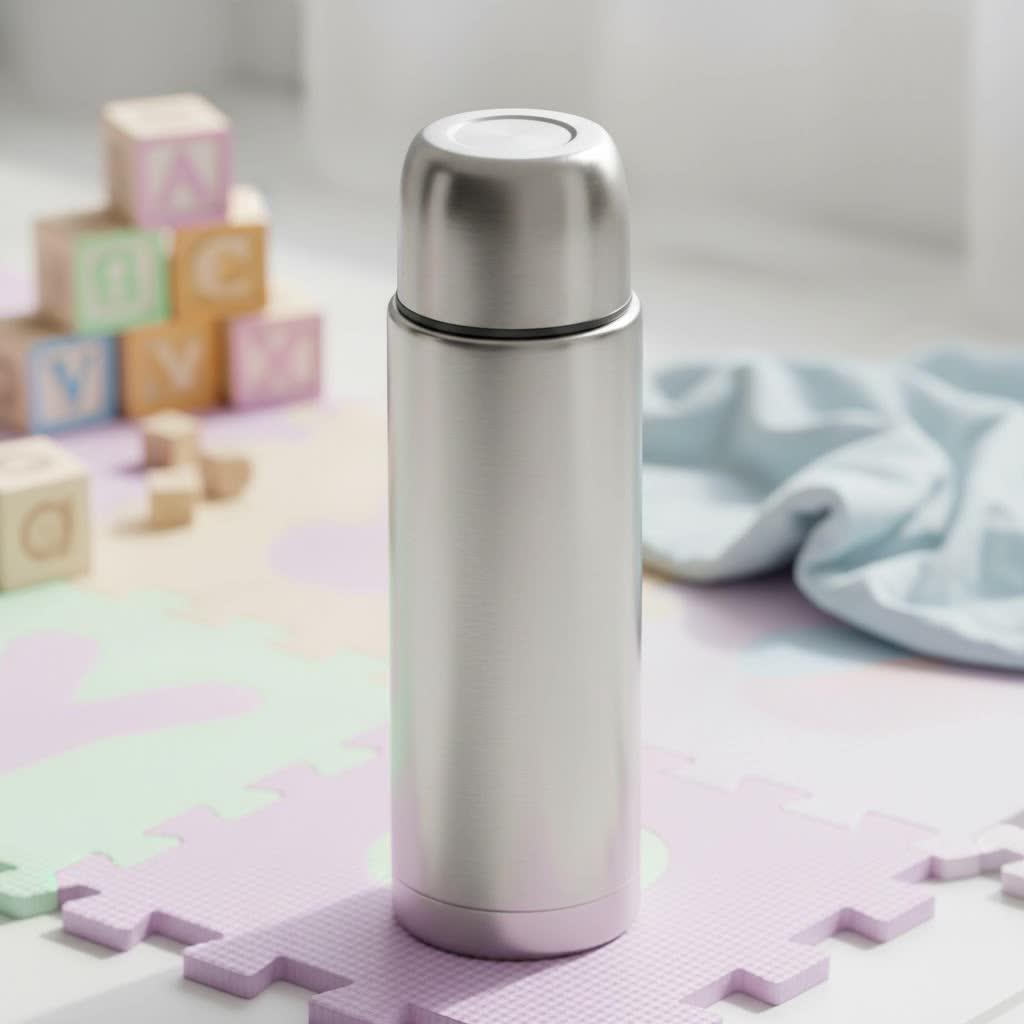
Imagine a world where your morning coffee stays piping hot through your commute, your midday tea offers warmth on a chilly afternoon, and your refreshing iced water remains perfectly chilled for hours, even under the summer sun. This isn’t a fantasy; it’s the everyday reality enabled by the ingenious Thermos Hot Water Bottle. For over a century, these insulated vessels have revolutionized how we enjoy beverages and meals on the go, making them an indispensable item in homes, offices, and outdoor adventures alike.
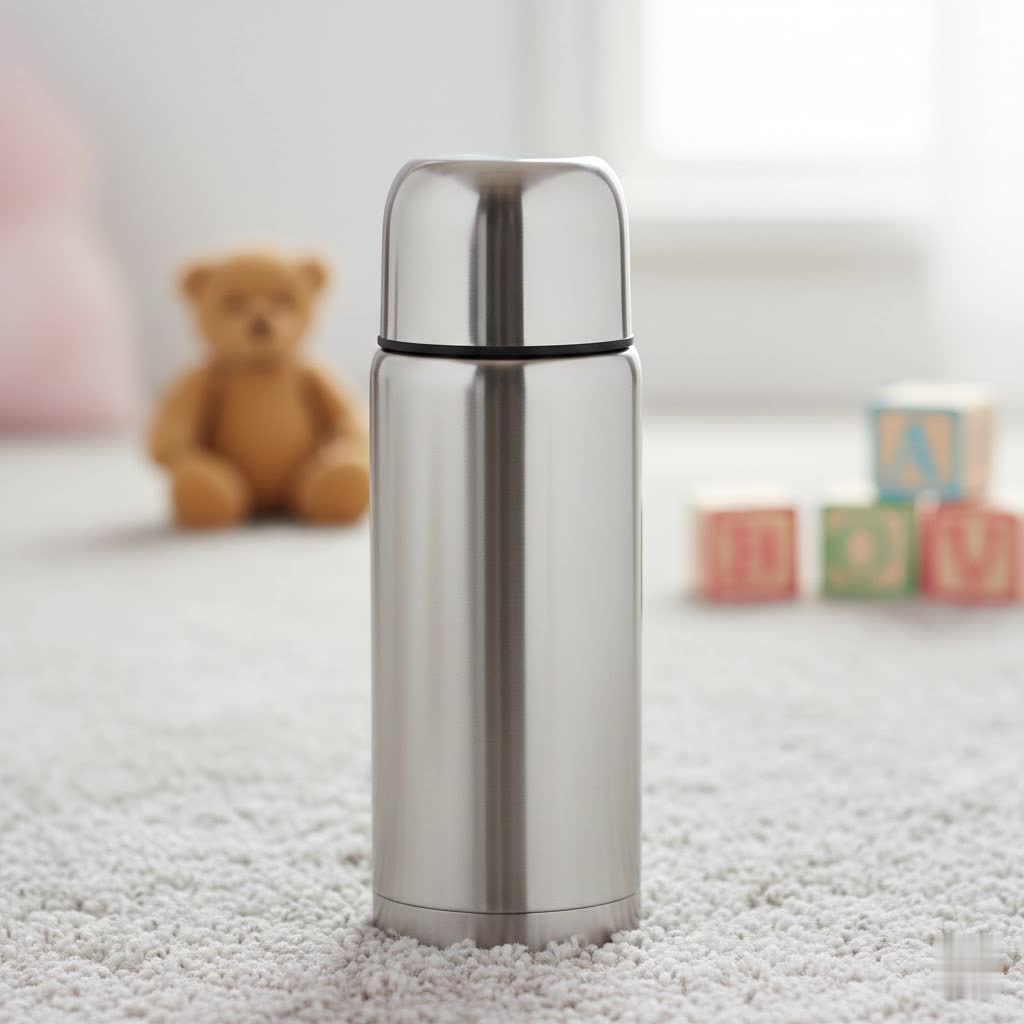
A thermos hot water bottle is more than just a container; it’s a marvel of engineering designed to defy temperature change. Whether you’re a busy professional, an avid adventurer, or simply someone who appreciates a drink at its ideal temperature, understanding these bottles can elevate your daily experience. This comprehensive guide will delve into everything you need to know, from the science behind their magic to choosing, using, and maintaining the perfect thermos for your lifestyle. Get ready to discover why a high-quality thermos hot water bottle is truly your essential companion.
What is a Thermos Hot Water Bottle? Your Essential Companion
At its core, a thermos hot water bottle is an insulating storage vessel, commonly known as a vacuum flask or Dewar bottle, engineered to significantly slow down the rate at which its contents change temperature. Invented by Scottish scientist Sir James Dewar in 1892, its fundamental purpose is to keep liquids hotter or colder than the surrounding environment for extended periods. This makes it incredibly versatile, whether you’re preserving hot coffee, cold water, or even warm soup.
The primary benefit of using a thermos bottle is its exceptional ability to retain temperature, often for many hours or even a full day, far surpassing conventional single-wall containers. Beyond convenience, these bottles offer health advantages by preventing chemical leaching, especially when made from safe materials like stainless steel, and discouraging bacterial growth by maintaining stable temperatures. Furthermore, choosing a reusable thermos is a sustainable choice, drastically reducing reliance on single-use plastics and contributing to a healthier planet. This combination of practicality, health benefits, and environmental responsibility makes the thermos hot water bottle an invaluable item for modern living.
The Science of Sizzle and Chill: How Thermos Bottles Work
Have you ever wondered how a seemingly simple bottle can keep your beverage hot or cold for hours? The secret lies in a brilliant application of physics, specifically designed to combat the three primary ways heat transfers: conduction, convection, and radiation. A thermos bottle creates an environment that minimizes these heat transfer mechanisms, effectively isolating its contents from the outside world.
The core of a thermos bottle’s design is its double-wall vacuum insulation. It consists of two layers, typically made of stainless steel or glass, with a crucial gap between them from which air is nearly completely removed, creating a vacuum. Since heat cannot transfer through conduction or convection without a medium like air or liquid, this vacuum layer acts as a highly effective barrier, significantly slowing down temperature changes. To further enhance this effect, the inner and outer walls are often treated with reflective coatings, such as silvering. These shiny surfaces reflect thermal radiation (heat in the form of electromagnetic waves) back towards the liquid inside, preventing it from escaping, or reflecting external heat away, preventing it from entering. The lid also plays a vital role, usually featuring a tight seal and additional insulation to minimize heat loss through the opening, which is often the weakest point in the system.
Discovering Your Perfect Match: Types of Thermos Hot Water Bottles
Thermos hot water bottles come in a variety of types, each with unique characteristics that cater to different needs and preferences. Understanding these distinctions can help you choose a bottle that perfectly aligns with your lifestyle.
By Material
The material of your thermos bottle greatly influences its performance, durability, and safety.
- Stainless Steel: The most common and popular choice, stainless steel thermos bottles are celebrated for their exceptional durability and resistance to dents and corrosion. They are generally considered safe, hygienic, and do not leach harmful chemicals like BPA into your drinks. While robust, some users might notice a faint metallic taste if the interior isn’t coated, and stainless steel can be heavier than other materials. Its resilience makes it ideal for everyday use and outdoor activities.
- Glass: Typically featuring a glass liner within a protective outer shell (often plastic or stainless steel), glass thermos bottles are prized for maintaining the purest taste of beverages, free from any metallic or plastic flavors. They often boast excellent insulation properties, but their primary drawback is fragility; glass can shatter if dropped. They also tend to be heavier than stainless steel options and require more careful handling.
- Plastic (BPA-free): While less common for high-performance thermal insulation, some thermos bottles utilize BPA-free plastic for their construction, especially for the outer casing or lid components. Plastic bottles are lightweight and often more affordable. However, they generally offer inferior insulation compared to vacuum-insulated metal or glass and may show signs of wear or discoloration over time. When choosing plastic, always ensure it is explicitly labeled “BPA-free” to avoid potential health concerns.
|
Our Picks for the Best Thermos Bottle in 2026
We may earn a commission when you use one of our links to make a purchase.
|
||
| Num | Product | Action |
|---|---|---|
| 1 | THERMOS ICON SERIES, Stainless Steel Water Bottle with Spout - 24 Ounce, Plum - Vacuum Insulated Water Bottle with Lid |

|
| 2 | THERMOS ICON SERIES Stainless Steel Water Bottle with Spout - 24 Ounce, Saddle - Vacuum Insulated Water Bottle with Lid |
|
| 3 | THERMOS ICON SERIES, Stainless Steel Water Bottle with Spout - 24 Ounce, Matte Stainless Steel - Vacuum Insulated Water Bottle with Lid |
|
| 4 | THERMOS ICON SERIES, Stainless Steel Water Bottle with Spout - 24 Ounce, Melon - Vacuum Insulated Water Bottle with Lid |
|
| 5 | THERMOS ICON SERIES Stainless Steel Water Bottle with Spout - 24 Ounce, Granite - Vacuum Insulated Water Bottle with Lid |
|
| 6 | THERMOS Stainless King Vacuum-Insulated Compact Bottle, 16 Ounce, Matte Steel |
|
| 7 | Insulated Thermo Water Bottle with Handle 20oz Stainless Steel Water Bottle Metal Water Flask Water Bottle for Hot and Cold Drink for Hiking, Workout, Gym, Travel (Green, 600ml) |
|
| 8 | THERMOS ICON SERIES Stainless Steel Water Bottle with Spout - 24 Ounce, Glacier - Vacuum Insulated Water Bottle with Lid |
|
| 9 | THERMOS Stainless King Vacuum-Insulated Compact Bottle, 16 Ounce, Midnight Blue |
|
| 10 | THERMOS Stainless King Vacuum-Insulated Compact Bottle, 16 Ounce, Rustic Red |
|
By Capacity
The right capacity ensures you have enough liquid for your needs without unnecessary bulk.
- Compact (Under 500ml): These mini bottles are perfect for single servings, short commutes, or children’s lunches. Their small size makes them incredibly portable, fitting easily into small bags or backpacks.
- Standard (500ml – 1 Litre): This is the most versatile category, suitable for daily office use, school, or moderate outdoor activities. They strike a balance between ample capacity and manageable portability, providing enough hydration for several hours.
- Large (Over 1 Litre): Designed for sharing, long journeys, or extensive outdoor excursions, large thermos bottles ensure you have a generous supply of hot or cold liquids. While offering superior capacity, they are naturally heavier and bulkier.
By Purpose/Design
Manufacturers often tailor thermos bottles with specific users in mind.
- Office & Commute: These bottles typically feature sleek, ergonomic designs, often with leak-proof caps and comfortable grips. They are designed to fit into car cup holders and briefcases, prioritizing convenience and professional aesthetics.
- Outdoor & Sport: Built for rugged environments, these bottles emphasize durability, often with protective silicone bases and robust construction. They might include features like integrated cups, carrying handles, or pour-through caps for ease of use in challenging conditions.
- Kids: Safety and ease of use are paramount for children’s thermos bottles. They often feature bright colors, engaging designs, easy-to-open lids, and durable, spill-proof construction to withstand the rigors of playtime.
- Food Jars: Distinguished by their wide mouths, food jars are specifically designed to hold solid foods like soups, stews, or pasta, keeping them hot or cold. The wider opening makes them easy to fill, eat from, and clean.
Thermos Hot Water Bottle Comparison Table: A Quick Overview
| Feature / Type | Stainless Steel Thermos | Glass-Lined Thermos | BPA-Free Plastic Insulated Bottle |
|---|---|---|---|
| Material | 18/8 or 304 food-grade stainless steel | Glass interior, plastic/metal exterior | BPA-free plastic (e.g., polypropylene) |
| Heat Retention | Excellent (up to 24 hrs cold, 12 hrs hot) | Very Good to Excellent (pure taste) | Good (less effective than vacuum insulation) |
| Durability | High (dent-resistant, robust) | Low (fragile, prone to shattering) | Moderate (can scratch, less impact resistant) |
| Taste Purity | Very Good (no flavor transfer if high quality) | Excellent (completely neutral taste) | Good (some plastic taste may occur initially) |
| Weight | Moderate to Heavy | Heavy | Light |
| Price Range | Moderate to High | Moderate to High | Low to Moderate |
| Common Capacities | 500ml, 750ml, 1L, 1.2L | 750ml, 1L | 350ml, 500ml, 750ml |
| Best For | Everyday, outdoor, office, travel | Pure taste enthusiasts, delicate beverages | Budget-conscious, very light-duty use |
Your Buying Blueprint: How to Choose the Right Thermos Hot Water Bottle
With countless options available, selecting the ideal thermos hot water bottle can feel overwhelming. However, by considering a few key factors, you can narrow down your choices and find a bottle that perfectly suits your needs. The goal is to make an informed decision that balances performance, durability, and convenience.
Assess Your Needs
Start by defining how and where you’ll use your thermos. Do you need it for your daily commute to keep coffee hot, or for long hikes where keeping water cold is crucial? What volume of liquid do you typically consume? Will it be primarily for beverages or also for food? For example, a student might need a compact bottle for hot tea, while a construction worker might require a large, rugged flask for soup. Identifying your primary purpose and frequency of use will guide all subsequent decisions.
Prioritize Material
As discussed, materials significantly impact performance. For superior durability, hygiene, and long-term temperature retention, stainless steel is often the top recommendation. If maintaining the absolute purity of taste is your paramount concern, a glass-lined thermos might be worth the extra care. Always ensure any plastic components are certified BPA-free to safeguard your health.
Evaluate Capacity & Portability
Match the bottle’s capacity to your usage. A smaller, lightweight bottle (under 500ml) is ideal for short trips or children, offering ultimate portability. A mid-sized bottle (500ml to 1 liter) is versatile for most daily activities, providing ample liquid without being cumbersome. For family outings or extended adventures, a larger bottle (over 1 liter) will ensure everyone stays hydrated or fueled. Consider whether it needs to fit into a cup holder, a backpack pocket, or a small bag.
Check Insulation Performance
Reputable brands often provide specific claims about their bottles’ heat and cold retention capabilities (e.g., “keeps hot for 12 hours, cold for 24 hours”). Look for terms like “double-wall vacuum insulated” and “copper-lined,” which indicate advanced thermal technology. Reading expert reviews and user testimonials can offer real-world insights into how well a particular model performs under various conditions.
Examine Features
Beyond insulation, practical features enhance the user experience. Consider the lid design: some have integrated cups, others feature pour-through stoppers for easy dispensing, and flip-tops offer convenient one-handed drinking. A wide mouth simplifies cleaning and adding ice cubes, while a narrow mouth might reduce heat loss. Look for comfortable carrying handles, non-slip bases, and leak-proof seals, especially if you’ll be on the move.
Read Reviews & Trust Brands
Before making a purchase, invest time in reading reviews from other users and independent testing sites. These often highlight common pros and cons, durability issues, and actual temperature retention performance. While brand names aren’t everything, established brands like Thermos, Stanley, Zojirushi, and Hydro Flask have a proven track record in manufacturing reliable and high-performing insulated products, often backed by good warranties.
Longevity Secrets: Tips for Using and Maintaining Your Thermos Bottle
To truly get the most out of your thermos hot water bottle, and ensure it serves you reliably for years, proper usage and diligent maintenance are key. A little care goes a long way in preserving its insulating power, preventing odors, and maintaining hygiene.
Maximizing Heat Retention
To keep your drinks at their optimal temperature for as long as possible, a simple trick is to “pre-heat” or “pre-chill” your bottle. For hot beverages, fill the thermos with boiling water, let it sit for 5-10 minutes, then empty it before adding your desired hot drink. This warms the inner walls, preventing them from absorbing heat from your beverage. Similarly, for cold drinks, fill it with ice water for a few minutes before adding your cold liquid. Always fill your thermos as completely as possible, as a fuller bottle retains temperature more effectively due to less air space.
Daily Cleaning
After each use, especially with beverages like coffee, tea, or juice that can leave residues, it’s crucial to clean your thermos. Rinse the bottle thoroughly with warm water and a small amount of dish soap. Use a bottle brush to scrub the interior, paying attention to hard-to-reach areas and the lid components. Rinse thoroughly again to ensure no soap residue remains. The most critical step is to let it air dry completely with the cap off. This prevents moisture buildup, which can lead to unpleasant odors and the growth of bacteria or mold.
Deep Cleaning for Tough Stains & Odors
For stubborn stains, mineral buildup, or lingering odors, a deeper clean is occasionally necessary. Many effective solutions can be found in your pantry:
- Vinegar and Baking Soda: This classic duo is excellent for tackling grime. Pour about ½ cup of distilled white vinegar into your thermos, followed by 1 tablespoon of baking soda. The mixture will fizz. Add warm water to fill the bottle and let it sit for at least 10 minutes, or even overnight for severe issues. After soaking, scrub with a bottle brush and rinse thoroughly.
- Denture Cleaning Tablets: For an effortless deep clean, drop one or two denture cleaning tablets into the thermos, fill with warm water, and let it sit according to the tablet instructions, usually for a few hours. This effectively removes stains and disinfects.
- Rice and Soap: For a gentle abrasive scrub, add a few tablespoons of uncooked rice, a drop of dish soap, and a small amount of warm water to the bottle. Shake vigorously, allowing the rice to scrub the interior walls, then rinse thoroughly.
Important Don’ts
To protect the integrity of your thermos bottle and extend its lifespan, avoid these common mistakes:
- Avoid Bleach or Chlorine Cleaners: These harsh chemicals can damage the materials of your flask and leave residues that are unsafe for consumption.
- Check Dishwasher Safety: While some manufacturers claim their thermoses are dishwasher-safe (usually top rack), hand-washing is often recommended to protect the vacuum seal and insulation components from high heat, which can degrade performance over time. Always consult the manufacturer’s instructions.
- Do Not Submerge Certain Lids: Some complex lid designs with internal mechanisms or insulation might be damaged if fully submerged in water. Clean them separately and ensure they are thoroughly dry.
- Store Properly: When storing your thermos for extended periods, ensure it is completely dry and leave the cap off to allow air circulation and prevent stale odors. A dusting of baking soda inside can help keep it fresh.
Conclusion
The thermos hot water bottle stands as a testament to intelligent design, seamlessly blending convenience, health, and environmental consciousness. From keeping your invigorating hot coffee ready for a cold morning to ensuring your cool water stays refreshing during a warm afternoon hike, its vacuum insulation technology consistently delivers. By understanding its scientific principles, exploring the diverse types and materials available, and following simple maintenance practices, you empower yourself to make the best choice for your personal needs.
Investing in a high-quality thermos bottle is more than just buying a container; it’s an investment in a lifestyle that values sustained comfort, healthy hydration, and a commitment to reducing waste. So, are you ready to elevate your daily routine and experience the enduring benefits of a perfectly insulated companion?
Frequently Asked Questions
Why do thermos bottles keep hot liquids hot longer than cold liquids cold?
While thermos bottles are designed to minimize heat transfer in both directions, hot liquids typically have a larger temperature difference compared to room temperature than cold liquids do. Heat transfer rates are proportional to this temperature differential. A liquid at 90°C in a 20°C room has a 70°C difference, while a liquid at 0°C has only a 20°C difference. The larger the difference, the faster heat will try to move, meaning hot liquids lose energy more rapidly than cold liquids gain it.
Is it safe to put boiling water in a stainless steel thermos?
Yes, high-quality stainless steel thermos bottles are specifically designed to safely hold boiling water. The double-wall vacuum insulation prevents the exterior from getting hot, protecting your hands, while the stainless steel itself is food-grade and resistant to extreme temperatures. Always ensure the lid is properly secured to prevent spills and scalding.
How often should I clean my thermos?
For optimal hygiene and to prevent odor or bacterial buildup, it is recommended to rinse and lightly clean your thermos bottle after every use. A deeper clean with soap and a bottle brush should be performed daily or every few uses, especially if you’re using it for milk, juice, or other beverages prone to residue.
Can I put milk or juice in my thermos?
You can put milk or juice in your thermos, but it requires more diligent cleaning. Dairy products and sugary juices can leave residues that encourage bacterial growth and odors if not cleaned immediately and thoroughly after use. It’s best to clean these bottles with soap and hot water as soon as possible after consumption.