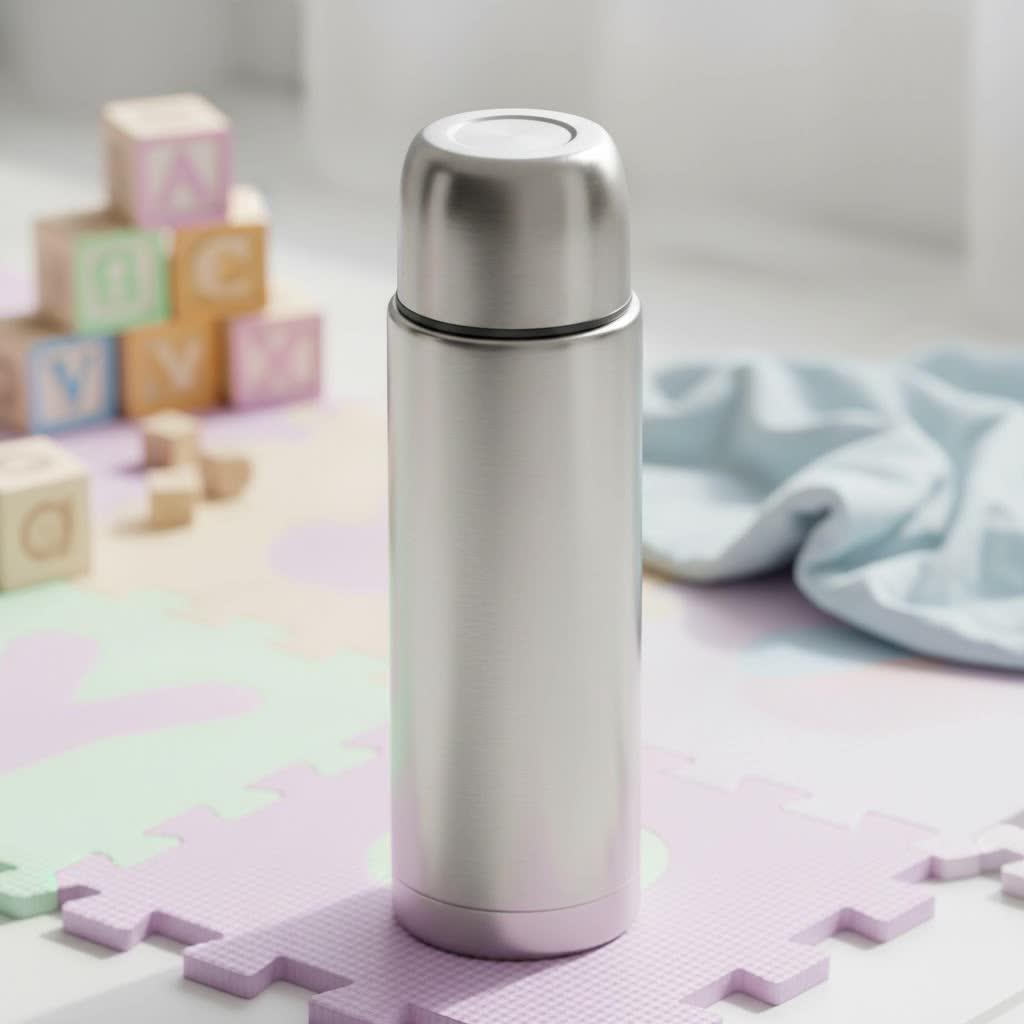
In a world increasingly conscious of health and environmental impact, the choice of drinkware has become more significant than ever. While various materials abound, the Glass Thermos Bottle stands out, offering a unique blend of purity, elegance, and sustainability. For those who prioritize the unadulterated taste of their beverages and seek a healthier alternative to plastic and certain metals, a glass thermos is an exceptional companion for daily hydration. This comprehensive guide will navigate you through everything you need to know about these sophisticated vessels, helping you discover the ideal glass thermos bottle that aligns with your lifestyle.
What is a Glass Thermos Bottle? Why Do You Need One?
|
Our Picks for the Best Thermos Bottle in 2026
We may earn a commission when you use one of our links to make a purchase.
|
||
| Num | Product | Action |
|---|---|---|
| 1 | THERMOS ICON SERIES Stainless Steel Water Bottle with Spout - 24 Ounce, Glacier - Vacuum Insulated Water Bottle with Lid |

|
| 2 | THERMOS ICON SERIES, Stainless Steel Water Bottle with Spout - 24 Ounce, Matte Stainless Steel - Vacuum Insulated Water Bottle with Lid |
|
| 3 | THERMOS ICON SERIES Stainless Steel Water Bottle with Spout - 24 Ounce, Granite - Vacuum Insulated Water Bottle with Lid |
|
| 4 | THERMOS Stainless King Vacuum-Insulated Compact Bottle, 16 Ounce, Rustic Red |
|
| 5 | THERMOS Stainless King Vacuum-Insulated Compact Bottle, 16 Ounce, Matte Steel |
|
| 6 | THERMOS ICON SERIES Stainless Steel Water Bottle with Spout - 24 Ounce, Saddle - Vacuum Insulated Water Bottle with Lid |
|
| 7 | Insulated Thermo Water Bottle with Handle 20oz Stainless Steel Water Bottle Metal Water Flask Water Bottle for Hot and Cold Drink for Hiking, Workout, Gym, Travel (Green, 600ml) |
|
| 8 | THERMOS ICON SERIES, Stainless Steel Water Bottle with Spout - 24 Ounce, Melon - Vacuum Insulated Water Bottle with Lid |
|
| 9 | THERMOS ICON SERIES, Stainless Steel Water Bottle with Spout - 24 Ounce, Plum - Vacuum Insulated Water Bottle with Lid |
|
| 10 | THERMOS Stainless King Vacuum-Insulated Compact Bottle, 16 Ounce, Midnight Blue |
|
A thermos bottle, at its core, is designed to maintain the temperature of its contents, whether hot or cold, for extended periods. This marvel of engineering typically relies on vacuum insulation, a principle first pioneered by Scottish scientist Sir James Dewar in 1892. Dewar placed a glass bottle within a larger glass bottle and evacuated the air between their walls, creating a partial vacuum that significantly reduces heat transfer. The glass thermos bottle, specifically, incorporates an inner lining made of glass, often borosilicate glass, to leverage this insulation while offering additional benefits.
The appeal of a glass thermos bottle extends beyond its insulating properties. Its non-porous surface ensures that no chemicals, flavors, or odors leach into your drinks, guaranteeing a pure taste experience every time. This makes it an excellent choice for everything from delicate teas and coffees to infused waters. Furthermore, glass is widely recognized as a safe and healthy material, free from BPA and other potentially harmful substances found in some plastics. Opting for a glass thermos also aligns with sustainable living, as glass is 100% recyclable, retaining its quality indefinitely without degrading.
Popular Types of Thermos Bottles
When exploring the world of thermos bottles, material, capacity, and intended use are key differentiators. Understanding these classifications will help you pinpoint the perfect fit.
-
By Material
- Glass Thermos Bottles: These feature an inner chamber crafted from glass, most commonly borosilicate glass, known for its enhanced durability and resistance to thermal shock. While glass excels in maintaining the pure taste of beverages and is exceptionally hygienic, its primary drawback is fragility compared to other materials. Many modern designs incorporate protective silicone sleeves or robust outer casings to mitigate the risk of breakage.
- Stainless Steel Thermos Bottles: Often seen as the more rugged cousin, stainless steel bottles are highly durable and excel in impact resistance. They are a popular choice for outdoor activities and busy commutes due to their robust nature and often superior long-term insulation performance. However, some users report a subtle metallic taste, especially with acidic drinks or lower-grade steel.
- Plastic Thermos Bottles: While lightweight and often the most economical, plastic options are generally less favored for health and environmental reasons. Concerns about chemical leaching (even with “BPA-free” plastics) and the material’s limited recyclability make them a less sustainable choice.
-
By Capacity
The right capacity depends heavily on your daily needs.- Mini (Under 500ml): Ideal for small servings of coffee or tea, perfect for a short commute or a child’s lunchbox. Their compact size makes them incredibly portable.
- Medium (500ml – 1 liter): The most versatile size, suitable for daily hydration at the office, gym, or for school. These offer a good balance of capacity and portability.
- Large (Over 1 liter): Designed for those who need to stay hydrated for extended periods, such as during long hikes, family outings, or for sharing beverages.
-
By Intended Use
Manufacturers often tailor thermos bottles to specific user groups.- Thermos Bottles for Office Workers: Typically feature sleek, professional designs, leak-proof lids, and a comfortable grip, fitting easily into briefcases or cup holders.
- Thermos Bottles for Children: Prioritize safety and ease of use, often including spill-proof mechanisms, protective outer layers (like silicone sleeves), and appealing, colorful designs. They are always BPA-free and easy to clean.
- Sports and Travel Thermos Bottles: Emphasize durability, a secure grip, and superior leak-proofing. While glass options exist, they often feature a very sturdy outer shell to protect the inner glass lining from impacts.
Glass vs. Stainless Steel Thermos Bottles: A Detailed Comparison
Choosing between glass and stainless steel is one of the most significant decisions when buying a thermos. Both have distinct advantages and disadvantages.
| Criteria | Glass Thermos Bottle (Inner Lining) | Stainless Steel Thermos Bottle |
|---|---|---|
| Material Composition | Borosilicate glass (inner), various outer | Food-grade stainless steel (304/316) |
| Durability | Fragile, prone to breakage | Highly durable, impact-resistant |
| Insulation Performance | Good (lower thermal conductivity) | Excellent (often outperforms glass) |
| Taste & Odor Retention | Pure taste, no odor retention | Can impart metallic taste |
| Weight | Can feel heavier/bulkier (double-walled) | Generally lighter for equivalent size |
| Safety | Non-leaching, BPA-free, highly safe | Generally safe (if high-grade steel) |
| Price | Often higher | Generally lower to moderate |
| Eco-friendliness | 100% recyclable, sustainable | Recyclable, but less pure recycling stream |
While stainless steel often wins on sheer ruggedness and potentially longer heat retention, the superior purity of taste and non-leaching properties of glass are unmatched. “Glass is the safest material for water bottles. It’s non-leaching, won’t change the taste of your water, and is 100% recyclable, forever,” states an expert on healthier homes, highlighting its health and environmental benefits.
Guide to Choosing Your Ideal Glass Thermos Bottle
Selecting the perfect glass thermos requires careful consideration of your specific needs and priorities.
-
Identify Your Needs:
- Purpose: Will you use it for daily coffee, a refreshing cold drink, or infusing fruit-flavored water? This will influence required insulation and ease of cleaning.
- Capacity: How much liquid do you need to carry? Consider your typical day and activities.
- Priorities: Do you prioritize taste purity above all else, or is extreme durability a must? If durability is paramount, look for glass thermoses with robust outer casings or thick silicone sleeves.
-
Look for Quality Materials and Construction:
- Borosilicate Glass: Always opt for bottles made from borosilicate glass, which is more resistant to thermal shock and impact than regular glass.
- Lid Quality: Ensure the lid is leak-proof and made from safe, BPA-free materials, typically food-grade polypropylene. A good lid is crucial for preventing spills and maintaining temperature.
- Protective Features: Many glass bottles come with silicone sleeves that offer a better grip and a layer of protection against minor bumps and drops. While not shatterproof, these sleeves significantly enhance durability.
- Vacuum Seal: For true thermos functionality, verify the presence and integrity of the vacuum insulation. This is what prevents heat transfer.
-
Read User Reviews and Recommendations:
Online reviews provide invaluable insights into real-world performance, durability, and user experience. Pay attention to comments regarding ease of cleaning, heat retention, and how well the bottle withstands daily use. Look for patterns in feedback, especially concerning fragility or issues with the lid.
Tips for Using and Maintaining Your Glass Thermos Bottle
Proper usage and care will ensure your glass thermos bottle performs optimally and lasts longer.
-
Effective Use:
- Pre-warming or Pre-cooling: For best results, fill your thermos with hot water (for hot beverages) or cold water/ice (for cold beverages) for 5-10 minutes before adding your drink. This primes the inner chamber to maintain temperature more efficiently.
- Avoid Overfilling: Leave a small air gap at the top to create a better seal and prevent spills, especially with hot liquids which can expand slightly.
- Gentle Handling: Despite borosilicate glass’s durability, glass remains inherently fragile. Handle your bottle with care, particularly when full. Utilize any protective sleeves or carrying straps provided.
-
Cleaning and Hygiene:
- Regular Cleaning: Clean your thermos bottle daily, especially if used for drinks other than water. For the glass body, most borosilicate glass bottles are dishwasher safe, but always check manufacturer instructions.
- Hand Wash Lids and Sleeves: Lids, silicone sleeves, and any other non-glass components should typically be hand-washed with warm, soapy water to preserve their integrity and sealing properties. Use a bottle brush for thorough cleaning of the interior.
- Deep Cleaning: For stubborn stains or odors, a mixture of baking soda and warm water left overnight can work wonders. Rinse thoroughly afterwards.
-
Safety Precautions:
- Inspect for Damage: Before each use, quickly inspect your glass thermos for any cracks or chips. A damaged glass liner can pose a safety risk. If you drop it, shake it gently and listen for any rattling sounds that might indicate internal breakage.
- Temperature Changes: While borosilicate glass is thermal shock resistant, extreme sudden temperature changes (e.g., pouring boiling water into a freezing bottle) should still be avoided. Allow very hot liquids to cool slightly before sealing the bottle to reduce pressure build-up and the risk of burns.
- Tight Lids: Always ensure the lid is securely tightened to prevent leaks, especially when transporting hot liquids.
Conclusion
A glass thermos bottle offers a compelling blend of health benefits, environmental responsibility, and unparalleled purity of taste. While its inherent fragility demands a bit more care than its stainless steel counterparts, the advantages of a clean, chemical-free, and aesthetically pleasing hydration solution are undeniable. By understanding the different types, considering your personal needs, and committing to proper care, you can confidently choose a glass thermos bottle that will serve you well for years to come, elevating your daily hydration experience. So, are you ready to embrace the clarity and purity of a glass thermos for your everyday sips?
Frequently Asked Questions
Are glass thermos bottles safe to use?
Yes, glass thermos bottles are generally considered the safest option for drinkware. They are non-porous, preventing chemicals, flavors, and odors from leaching into your beverages, and are free from BPA and other harmful plastics. Always ensure the glass is intact and free from cracks before use for maximum safety.
How long do glass thermos bottles keep drinks hot or cold?
The insulation performance of a glass thermos bottle varies by design and quality. Double-walled, vacuum-insulated glass bottles can keep beverages hot for several hours (typically 4-6 hours) and cold for considerably longer (up to 12-24 hours), though some stainless steel versions may offer slightly longer retention for hot liquids.
What is borosilicate glass?
Borosilicate glass is a type of glass that contains boron trioxide, which gives it a very low coefficient of thermal expansion. This means it is more resistant to thermal shock than ordinary glass, making it ideal for products that need to withstand extreme temperature changes, like thermos bottles and laboratory glassware.
How can I prevent my glass thermos bottle from breaking?
To minimize the risk of breakage, choose a glass thermos made from durable borosilicate glass, ideally with a protective silicone sleeve or a robust outer casing. Handle it with care, avoid dropping it, and clean it gently. Regular inspection for any existing damage can also help prevent further issues.
Can I put boiling water directly into a glass thermos bottle?
While borosilicate glass is highly resistant to thermal shock, it’s best practice to allow boiling water to cool for a minute or two before pouring it into your glass thermos. This helps to reduce the risk of thermal stress, prolong the bottle’s lifespan, and prevent accidental burns from extremely hot contents.