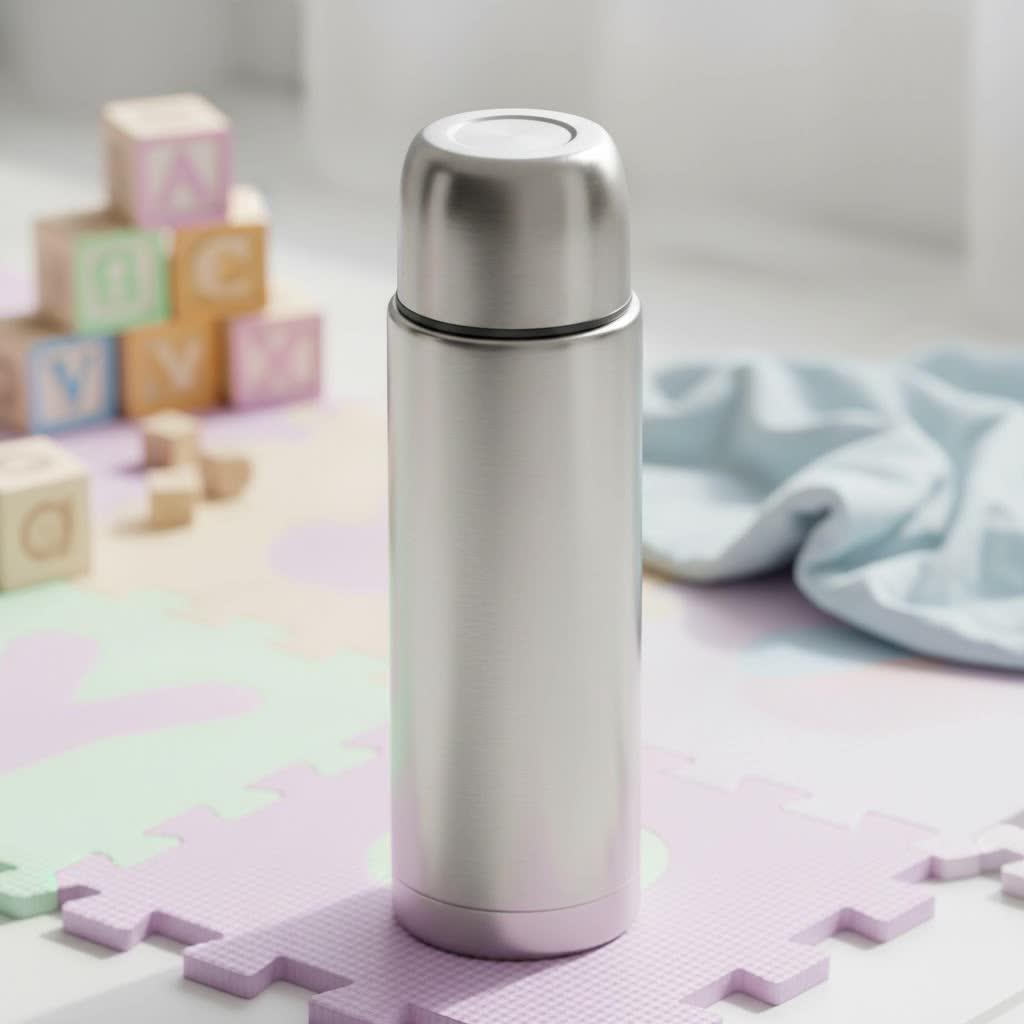
In our fast-paced lives, having a reliable way to keep our drinks at the ideal temperature throughout the day is more than just a convenience—it’s a necessity. Imagine savoring a steaming hot coffee on a chilly morning commute or enjoying an ice-cold refreshment after a vigorous workout. This is where the magic of a high-quality Thermos Insulated Bottle comes into play, transforming your daily hydration and beverage enjoyment. Far beyond basic containers, these innovative bottles utilize advanced vacuum insulation technology to lock in temperatures, ensuring your drinks remain just as you like them for hours on end. This comprehensive guide will navigate you through the world of thermos insulated bottles, helping you understand their core benefits, explore various types, and equip you with the knowledge to select and maintain the perfect companion for your lifestyle.
What is a Thermos Insulated Bottle? Why Do You Need One?
A thermos insulated bottle, often simply called a thermos or a vacuum flask, is a container designed to maintain the temperature of its contents, keeping hot liquids hot and cold liquids cold for extended periods. The secret lies in its ingenious construction, primarily employing double-wall vacuum insulation. This involves two walls, typically made of stainless steel, with a vacuum-sealed space between them. A vacuum is a poor conductor of heat, effectively minimizing heat transfer through conduction and convection. Additionally, the inner and outer walls are often reflective, preventing heat from escaping or entering through radiation. This clever design ensures your beverage’s temperature remains stable regardless of the external environment.
The benefits of incorporating a thermos insulated bottle into your daily routine are numerous. Firstly, the unparalleled temperature retention allows you to enjoy your favorite beverages at their optimal temperature for hours, whether it’s a piping hot tea or a refreshingly cold smoothie. Secondly, choosing a bottle made from safe, food-grade materials, such as 18/8 stainless steel, promotes better health by avoiding harmful chemicals like BPA. Thirdly, by opting for a reusable insulated bottle, you actively contribute to reducing single-use plastic waste, making an environmentally conscious choice. Finally, making your drinks at home and carrying them in a thermos can lead to significant cost savings over time, reducing reliance on expensive store-bought beverages.
> “A high-quality insulated bottle is an investment in both convenience and sustainability, ensuring every sip is just right while minimizing environmental impact.”
Types of Thermos Insulated Bottles
Thermos insulated bottles come in a variety of types, each catering to different needs and preferences. Understanding these classifications can help you narrow down your choices.
Classification by Material
The material of your insulated bottle plays a crucial role in its performance, durability, and safety.
- Stainless Steel Insulated Bottles: These are the most prevalent and highly recommended type.
- Pros: Made from food-grade 18/8 or 316 stainless steel, they are incredibly durable, rust-resistant, and do not retain or impart flavors. Their vacuum insulation is highly effective at maintaining temperatures for extended periods. They are also generally easy to clean and resist corrosion.
- Cons: Can be heavier than plastic alternatives and may dent if dropped forcefully.
- Plastic Insulated Bottles: While less common for high-performance insulation, plastic is often used for lids and outer shells, or for double-walled “thermoware” bottles where the insulation is provided by a solidified liquid material (PU foam) between plastic walls.
- Pros: Typically lighter and more affordable. Often come in vibrant colors and designs.
- Cons: Generally offer lesser temperature retention (often only 4 hours for cold, sometimes not suitable for hot liquids) compared to vacuum-insulated stainless steel. It’s crucial to ensure they are BPA-free for health safety.
- Glass Lined Thermos Bottles: These feature an inner glass flask protected by an outer plastic or stainless steel body.
- Pros: Glass is an excellent insulator and helps preserve the pure taste of beverages without any metallic aftertaste. Easier to clean and less prone to bacteria formation.
- Cons: Significantly more fragile and prone to breaking upon impact. While the glass flask can sometimes be replaced, the initial risk of breakage is higher.
|
Our Picks for the Best Thermos Bottle in 2026
We may earn a commission when you use one of our links to make a purchase.
|
||
| Num | Product | Action |
|---|---|---|
| 1 | THERMOS ICON SERIES, Stainless Steel Water Bottle with Spout - 24 Ounce, Matte Stainless Steel - Vacuum Insulated Water Bottle with Lid |

|
| 2 | THERMOS ICON SERIES Stainless Steel Water Bottle with Spout - 24 Ounce, Saddle - Vacuum Insulated Water Bottle with Lid |
|
| 3 | THERMOS ICON SERIES, Stainless Steel Water Bottle with Spout - 24 Ounce, Melon - Vacuum Insulated Water Bottle with Lid |
|
| 4 | THERMOS ICON SERIES Stainless Steel Water Bottle with Spout - 24 Ounce, Glacier - Vacuum Insulated Water Bottle with Lid |
|
| 5 | THERMOS Stainless King Vacuum-Insulated Compact Bottle, 16 Ounce, Midnight Blue |
|
| 6 | THERMOS Stainless King Vacuum-Insulated Compact Bottle, 16 Ounce, Matte Steel |
|
| 7 | Insulated Thermo Water Bottle with Handle 20oz Stainless Steel Water Bottle Metal Water Flask Water Bottle for Hot and Cold Drink for Hiking, Workout, Gym, Travel (Green, 600ml) |
|
| 8 | THERMOS ICON SERIES Stainless Steel Water Bottle with Spout - 24 Ounce, Granite - Vacuum Insulated Water Bottle with Lid |
|
| 9 | THERMOS Stainless King Vacuum-Insulated Compact Bottle, 16 Ounce, Rustic Red |
|
| 10 | THERMOS ICON SERIES, Stainless Steel Water Bottle with Spout - 24 Ounce, Plum - Vacuum Insulated Water Bottle with Lid |
|
Classification by Capacity
The ideal capacity depends on your usage patterns and how much liquid you need to carry.
- Mini (Under 500ml / 16oz):
- Best for: Short commutes, quick coffee runs, carrying a single serving of a beverage or small snacks.
- Advantages: Extremely portable and lightweight, fits easily into small bags or cup holders.
- Medium (500ml – 1 Liter / 16oz – 32oz):
- Best for: Daily office use, school, gym sessions, or shorter excursions.
- Advantages: Offers a good balance of capacity and portability, providing ample hydration without being overly bulky.
- Large (Over 1 Liter / 32oz):
- Best for: Long hikes, camping trips, family outings, or for those who need to stay hydrated for extended periods.
- Advantages: Provides all-day hydration or allows for sharing beverages among a group.
Classification by Intended Use
Manufacturers often design bottles with specific activities in mind.
- For Office Workers and Daily Commuters: Look for sleek designs, cup-holder friendly bases, and easy-sip lids or integrated cups. Leak-proof seals are paramount for carrying in bags.
- For Children: Safety is key. Opt for durable, BPA-free materials, easy-to-open and close lids (often with straws or push-button spouts), and fun, engaging designs. Good impact resistance is a plus.
- For Sports and Outdoors Enthusiasts: Prioritize robust construction, leak-proof designs, larger capacities, and often features like integrated carrying handles or carabiner clips. Some may have specialized hydration caps for quick drinking during activity.
Comparison of Popular Thermos Insulated Bottle Types
Here’s a quick comparison of common thermos types based on key attributes:
| Feature | Stainless Steel (Vacuum Insulated) | Plastic (Insulated/Thermoware) | Glass Lined (Inner Glass) |
|---|---|---|---|
| Material | 18/8 or 316 Food-Grade Stainless Steel | BPA-free Plastics (outer/inner walls), PU foam | Inner Glass, Outer Plastic/Stainless Steel |
| Insulation | Excellent (Up to 24 hrs cold, 12+ hrs hot) | Limited (Typically ~4 hrs cold, often not hot) | Excellent (Long hot retention, taste purity) |
| Durability | High (Dent-resistant, robust) | Moderate (Less resistant to impact) | Low (Highly fragile inner glass) |
| Taste Purity | Excellent (No flavor transfer) | Good (Ensure BPA-free) | Superior (Preserves original taste, no metallic taint) |
| Weight | Moderate to Heavy | Light | Moderate |
| Cleaning Ease | Good (Wide mouths, dishwasher safe for some) | Good (Dishwasher safe for many) | Excellent (Glass is non-porous and easy to clean) |
| Cost | Moderate to High | Low to Moderate | Moderate to High |
| Best Use Case | Everyday, office, sports, outdoor, travel | Kids, short trips, budget-conscious | Home use, coffee/tea connoisseurs, taste preservation |
Guide to Choosing Your Thermos Insulated Bottle
Selecting the perfect thermos insulated bottle involves more than just picking a pretty design. Consider these factors to ensure you make an informed decision:
1. Identify Your Usage Needs
Before anything else, define how you’ll use the bottle.
- Purpose: Do you need it for daily commutes, intense outdoor adventures, keeping baby formula warm, or sharing drinks on a picnic?
- Temperature: Do you primarily need to keep liquids hot, cold, or both?
- Duration: How long do you need the temperature to hold? (e.g., 4 hours for a morning commute vs. 24 hours for a long hike).
- Capacity: What volume of liquid do you typically need? A small 12oz for coffee or a large 40oz for all-day hydration?
2. Prioritize Material Safety and Quality
- Stainless Steel: For optimal performance and durability, look for 18/8 food-grade stainless steel. This indicates a high-quality, rust-resistant, and food-safe material. Some premium bottles use 316 stainless steel for even greater corrosion resistance.
- BPA-Free: Ensure all plastic components, especially lids and seals, are explicitly labeled BPA-free (and preferably BPS/BPE-free) to avoid harmful chemicals.
- No Interior Coatings: High-quality stainless steel bottles should have no interior coatings, as these can chip or leach over time.
3. Verify Insulation Performance and Leak-Proofing
- Insulation Test: A simple home test can reveal weak insulation. Fill the bottle with boiling water, seal it, and wait 2-3 minutes. If the exterior feels warm to the touch, the vacuum seal is compromised, indicating poor insulation. A good bottle’s exterior should remain cool.
- Leak-Proof Seal: Inspect the lid design. Screw-on lids with silicone gaskets generally offer the most reliable leak prevention. Conduct a leak test by filling the bottle with water, sealing it, and laying it flat or shaking it vigorously. There should be no drips or leaks.
- Lid Type: Consider your drinking preference. Options include twist-and-pour stoppers (for traditional thermoses with cups), flip-top lids, push-button spouts, or straw lids. Each offers different convenience levels and affects overall thermal retention slightly.
4. Evaluate Design and Ergonomics
- Size and Shape: Does it fit comfortably in your hand, car cup holder, or backpack pocket?
- Opening: A wide mouth makes it easier to add ice cubes, clean, and fill. Narrower openings might retain heat better but are harder to clean.
- Handle: A sturdy handle or carrying loop can greatly enhance portability.
- Base: A non-slip base provides stability and protects surfaces.
5. Read Reviews and Check Brand Reputation
Look for established brands known for their quality and customer service, such as Thermos (the brand itself), Stanley, Zojirushi, Hydro Flask, and S’well. Customer reviews can provide valuable real-world insights into a bottle’s durability, actual temperature retention, and common issues. Pay attention to feedback regarding leaks, rust, or odor retention.
Tips for Using and Maintaining Your Thermos Insulated Bottle
Proper usage and care are essential to maximize your bottle’s performance and extend its lifespan.
- Pre-heating or Pre-chilling: For best results, pre-heat your bottle with hot water for 5-10 minutes before adding hot beverages, or pre-chill with ice water before adding cold drinks. This prepares the inner wall, preventing it from absorbing initial heat or cold from your beverage.
- Regular Cleaning: Wash your bottle after each use with warm water and mild dish soap. Use a soft bottle brush to reach all interior surfaces. Daily cleaning prevents residue buildup and unpleasant odors.
- Deep Cleaning for Stains and Odors:
- For stubborn stains or smells (e.g., coffee or tea), a mixture of white vinegar and baking soda can be highly effective. Fill the bottle with warm water, add a teaspoon of baking soda and a splash of vinegar, let it sit for a few hours or overnight, then scrub and rinse thoroughly.
- Denture cleaning tablets or specialized bottle cleaning tablets also work wonders for removing discoloration and odors. Drop two tablets into warm water inside the bottle, let it soak overnight, then clean and rinse.
- Thorough Drying: Always allow your bottle to air dry completely with the lid open when not in use. Capping a damp bottle creates a breeding ground for bacteria and mold, leading to persistent odors. Placing a sachet of silica gel inside for long-term storage can help absorb moisture.
- Lid and Seal Care: The lid and its seals are critical for insulation and leak-proofing. Disassemble any removable parts of the lid and clean them separately to ensure no grime or bacteria hide in crevices. Pay special attention to silicone gaskets, as they can harbor odors.
- Avoid Harsh Chemicals: Never use bleach or abrasive cleaners, as these can corrode stainless steel and damage seals or finishes. Stick to mild detergents and natural cleaning agents.
- Protect from Impacts: While durable, severe drops can compromise the vacuum seal, reducing insulation effectiveness. Consider silicone boots or protective sleeves for added impact resistance, especially for outdoor use.
- Microwave and Freezer Safety: Never place your insulated bottle in a microwave or freezer. Microwaving stainless steel can cause damage to the oven and the bottle itself. Freezing can damage the vacuum seal and distort the bottle’s structure.
Frequently Asked Questions
How long do thermos bottles keep drinks hot or cold?
High-quality thermos insulated bottles typically keep liquids hot for 6-12 hours and cold for 12-24 hours, with some premium models extending this to even 20 hours hot and 30+ hours cold. Factors like the initial temperature of the liquid, the bottle’s material, and external conditions influence retention times.
Can I put milk, coffee, or soup in a thermos?
Yes, most food-grade stainless steel thermos bottles are safe for milk, coffee, soup, and other beverages. However, it’s crucial to clean them thoroughly immediately after use, especially with milk or soup, to prevent bacterial growth and odor retention.
Are all thermos bottles dishwasher safe?
No, not all thermos bottles are dishwasher safe. While many stainless steel bottles are, some brands or specific models (especially those with painted exteriors, intricate lid designs, or certain plastic components) recommend hand washing to preserve their finish and seals. Always check the manufacturer’s care instructions.
How do I remove stubborn smells from my thermos?
For persistent odors, try a deep cleaning with a mixture of warm water and either white vinegar, baking soda, or specialized bottle cleaning tablets. Allow the mixture to soak overnight, then scrub thoroughly with a brush and rinse. Ensuring the bottle is completely dry before storage is also key to preventing future smells.
Conclusion
A thermos insulated bottle is an indispensable tool for anyone who values convenience, health, and sustainability. By understanding the science behind vacuum insulation, the nuances of different materials and capacities, and the importance of proper care, you are now well-equipped to select a bottle that perfectly aligns with your needs. Investing in the right thermos means more than just keeping your drinks at the desired temperature; it’s about embracing a lifestyle that is both practical and environmentally conscious. Choose wisely, care diligently, and enjoy the perfect sip, every time. What will your ideal thermos insulated bottle help you achieve today?