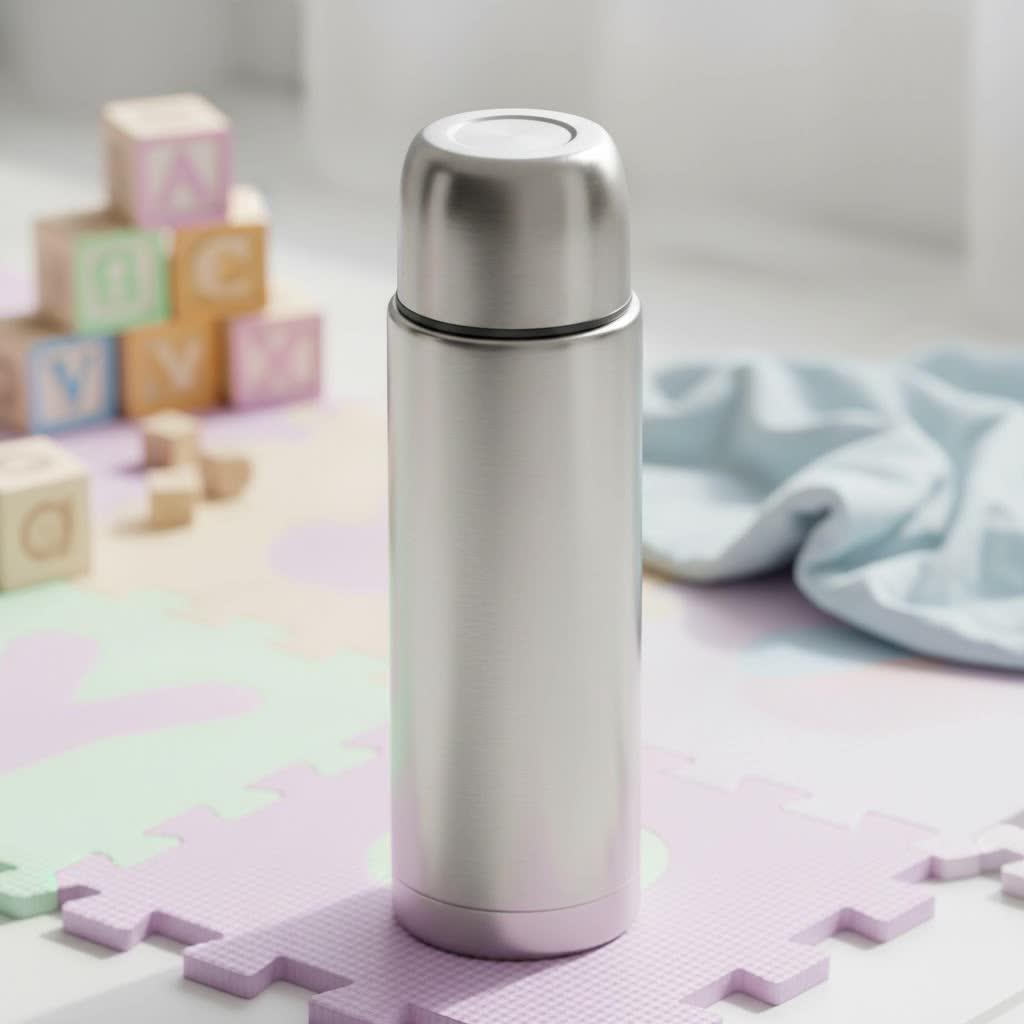
In our fast-paced world, maintaining the ideal temperature of our beverages throughout the day can feel like a constant battle. Whether it’s a steaming hot coffee on a chilly morning commute or an icy cold drink after an intense workout, finding a reliable solution is key. Enter the stainless steel thermos bottle – a seemingly simple item that offers a powerful answer to this everyday challenge. More than just a container, it’s a lifestyle companion designed to keep your drinks exactly as you like them, all day long.
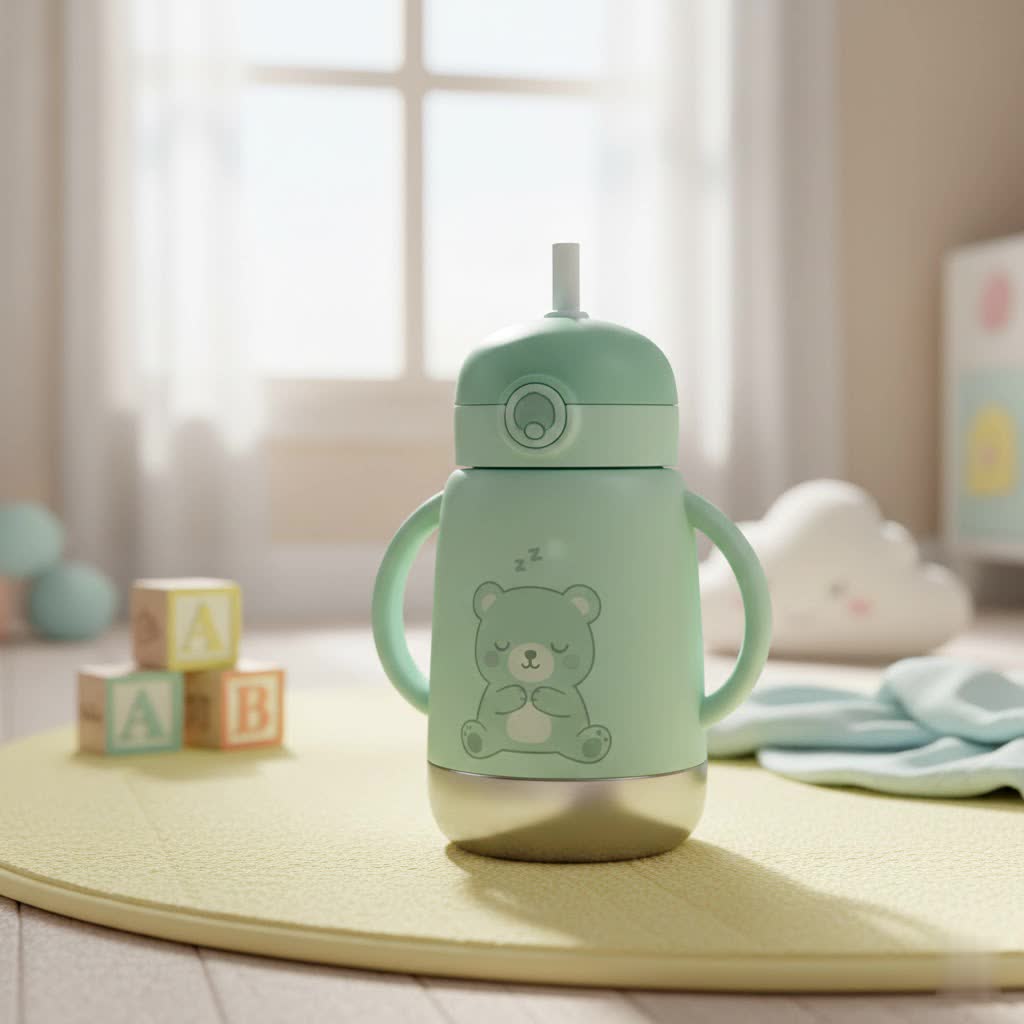
This comprehensive guide will delve into everything you need to know about stainless steel thermos bottles. We’ll explore what makes them indispensable, compare them with other materials, help you choose the perfect one for your needs, and provide essential tips for their care.
What is a Thermos Bottle and Why Do You Need One?
A thermos bottle, often referred to as a vacuum flask or insulated bottle, is a sophisticated container engineered to maintain the temperature of its contents for extended periods. The magic lies in its double-walled construction, which creates a vacuum between the inner and outer layers. This vacuum acts as a powerful insulator, preventing heat transfer through conduction or convection. As a result, your hot beverages stay hot, and your cold drinks remain refreshingly cool for hours on end.
Beyond mere temperature retention, these bottles offer a wealth of benefits that make them an essential part of a modern, healthy, and sustainable lifestyle. They encourage consistent hydration, which is vital for overall well-being. By opting for a reusable bottle, you significantly reduce your reliance on single-use plastic bottles, contributing positively to environmental conservation. Furthermore, while the initial investment might be slightly higher, the long-term savings from not purchasing disposable drinks quickly add up, making it a cost-effective choice in the long run.
Exploring Popular Types of Thermos Bottles
When considering a thermos bottle, understanding the different types available, primarily categorized by material, capacity, and intended use, will help you make an informed decision.
By Material
The material of your thermos bottle dictates many of its core characteristics, from durability to safety and insulation performance.
- Stainless Steel Thermos: These are the gold standard for insulated bottles.
- Pros: They are exceptionally durable, highly resistant to impacts, and will not break easily. Stainless steel, particularly food-grade types like 18/8 (also known as 304) or 316, is non-toxic, BPA-free, and does not leach harmful chemicals into your drinks. Its non-porous surface prevents the absorption of flavors and odors, ensuring your water always tastes fresh. Double-walled stainless steel bottles offer superior temperature retention, keeping drinks hot for up to 12 hours and cold for up to 24 hours. They are also easy to clean and maintain their hygienic properties over time.
- Cons: Stainless steel bottles can be heavier than plastic alternatives, and their initial cost might be higher. While highly durable, they can still accumulate scratches or dents from significant impacts, though this rarely affects their functionality.
- Plastic Thermos: Often perceived as convenient due to their lightweight nature and lower cost.
- Pros: Lightweight and generally inexpensive, making them accessible.
- Cons: Many plastic bottles contain BPA (Bisphenol A) or other potentially harmful chemicals that can leach into beverages, especially when exposed to heat. They tend to retain flavors and odors from previous drinks, leading to an “off” taste. Plastic is less durable than stainless steel or glass, prone to cracking, scratching, and having a shorter lifespan. Crucially, their insulation capabilities are typically poor, and their environmental impact from production and disposal is significant.
- Glass Thermos: Valued for their aesthetic and purity.
- Pros: Glass is naturally non-porous and free from chemicals, ensuring your drinks maintain their pure taste without any metallic or plastic undertones. They are highly hygienic and easy to clean, as their transparency allows you to easily spot any residue. Glass is also reusable and recyclable, making it an eco-friendly option.
- Cons: The primary drawback of glass bottles is their fragility; they are highly susceptible to breaking if dropped. They are also generally heavier than plastic or stainless steel and typically offer limited insulation, meaning drinks warm up or cool down quickly unless specifically designed with double-wall insulation, which adds bulk.
|
Our Picks for the Best Thermos Bottle in 2026
We may earn a commission when you use one of our links to make a purchase.
|
||
| Num | Product | Action |
|---|---|---|
| 1 | THERMOS ICON SERIES Stainless Steel Water Bottle with Spout - 24 Ounce, Granite - Vacuum Insulated Water Bottle with Lid |

|
| 2 | THERMOS ICON SERIES Stainless Steel Water Bottle with Spout - 24 Ounce, Glacier - Vacuum Insulated Water Bottle with Lid |
|
| 3 | THERMOS Stainless King Vacuum-Insulated Compact Bottle, 16 Ounce, Midnight Blue |
|
| 4 | Insulated Thermo Water Bottle with Handle 20oz Stainless Steel Water Bottle Metal Water Flask Water Bottle for Hot and Cold Drink for Hiking, Workout, Gym, Travel (Green, 600ml) |
|
| 5 | THERMOS Stainless King Vacuum-Insulated Compact Bottle, 16 Ounce, Rustic Red |
|
| 6 | THERMOS ICON SERIES Stainless Steel Water Bottle with Spout - 24 Ounce, Saddle - Vacuum Insulated Water Bottle with Lid |
|
| 7 | THERMOS ICON SERIES, Stainless Steel Water Bottle with Spout - 24 Ounce, Plum - Vacuum Insulated Water Bottle with Lid |
|
| 8 | THERMOS ICON SERIES, Stainless Steel Water Bottle with Spout - 24 Ounce, Matte Stainless Steel - Vacuum Insulated Water Bottle with Lid |
|
| 9 | THERMOS Stainless King Vacuum-Insulated Compact Bottle, 16 Ounce, Matte Steel |
|
| 10 | THERMOS ICON SERIES, Stainless Steel Water Bottle with Spout - 24 Ounce, Melon - Vacuum Insulated Water Bottle with Lid |
|
By Capacity
The right capacity ensures you have enough hydration or your preferred beverage without unnecessary bulk.
- Mini (Under 500ml): These compact bottles are perfect for children’s lunchboxes, short commutes, or tucking into a small bag. They are lightweight and easy to carry for quick errands.
- Medium (500ml – 1 Liter): This is the most versatile category, suitable for daily office use, gym sessions, or personal hydration throughout the day. They strike a good balance between capacity and portability.
- Large (Over 1 Liter): Ideal for long outdoor adventures, family outings, or those with higher hydration needs. These bottles ensure you have a generous supply of hot or cold liquids for extended periods.
By Intended Use
Manufacturers often design thermos bottles with specific activities in mind, optimizing features for particular user groups.
- Office & Commute: These bottles typically feature sleek designs, a comfortable grip, and leak-proof lids for hassle-free transport in briefcases or backpacks. Many fit standard car cup holders.
- Kids: Safety is paramount for children’s bottles. They are usually made from durable, BPA-free stainless steel, with easy-to-open lids, often featuring straws or sipper spouts, and come in fun, appealing designs.
- Sports & Outdoor: Built for rugged environments, these bottles are often larger, extremely durable, and may include features like anti-slip coatings, carabiner clips, or robust handles for easy carrying during hikes or workouts. Leak-proof and sweat-proof designs are standard.
Stainless Steel Thermos Bottles: A Detailed Comparison
Choosing the right material for your thermos bottle is a critical decision. Here’s a detailed comparison highlighting how stainless steel stacks up against plastic and glass.
| Feature | Stainless Steel Thermos Bottle | Plastic Water Bottle | Glass Water Bottle |
|---|---|---|---|
| Material Safety | BPA-free, non-toxic, no chemical leaching (food-grade 304/316) | May leach BPA/other chemicals, especially when heated | BPA-free, non-toxic, no chemical leaching |
| Insulation | Excellent (double-wall vacuum keeps hot/cold for hours) | Poor (drinks quickly reach ambient temperature) | Poor (drinks quickly reach ambient temperature) |
| Durability | High (resistant to breakage, dents possible) | Low (prone to cracking, scratching, short lifespan) | Low (fragile, prone to breaking) |
| Taste/Odor Retention | None (non-porous surface) | High (can absorb flavors and odors) | None (non-porous surface) |
| Ease of Cleaning | High (smooth surface, resists bacteria, often dishwasher safe) | Moderate (can be difficult to thoroughly clean, may harbor bacteria) | High (smooth, non-porous, easy to clean, often dishwasher safe) |
| Environmental Impact | Low (reusable, recyclable, reduces waste) | High (short lifespan, low recycling rate, significant waste) | Low (reusable, recyclable) |
| Weight | Moderate to Heavy (depending on size and insulation) | Lightweight | Heavy |
| Cost | Moderate to High (higher initial investment, long-term savings) | Low (cheapest upfront) | Moderate (can be more expensive than basic plastic) |
| Ideal For | All uses, especially when temperature retention, durability, and health are priorities | Short-term use, low budget, minimal insulation needs | Pure taste, aesthetic appeal, home/office use where breakage risk is low |
Your Comprehensive Buying Guide: How to Choose the Perfect Stainless Steel Thermos Bottle
Selecting the ideal stainless steel thermos bottle involves more than just picking a pretty design. A truly perfect bottle aligns with your lifestyle, offers superior performance, and guarantees safety.
1. Identify Your Needs
Before diving into brands and features, consider how and where you’ll use your thermos bottle:
- Purpose: Are you looking for a compact bottle for your daily commute, a robust one for hiking, or a family-sized flask for picnics?
- Capacity: How much liquid do you typically consume or need? Mini (under 500ml) for short bursts, medium (500ml-1L) for daily hydration, or large (over 1L) for extended use?
- Aesthetic Preferences: Do you prefer a sleek, minimalist design, a vibrant color, or a bottle with a specific finish?
2. Crucial Quality Checks
The quality of a stainless steel thermos bottle is paramount for both performance and safety.
- Material Grade: This is critical. Always look for bottles made from 304 stainless steel (18/8) or even higher quality 316 stainless steel (medical grade). These grades are food-safe, corrosion-resistant, and do not leach harmful substances. Absolutely avoid products made with 201 stainless steel, as this industrial-grade material has a high manganese content and poor corrosion resistance, posing health risks, especially when acidic beverages like coffee or juice are stored in it. Check the bottle’s base or packaging for markings like “304” or “316”.
- Insulation Performance: For effective temperature retention, ensure the bottle features double-wall vacuum insulation. Reputable brands often publish testing results for how long their bottles keep liquids hot or cold. Good insulation is characterized by the outer wall remaining at room temperature, regardless of the liquid’s temperature inside.
- Leak-Proof Design: A well-designed lid is essential to prevent spills. Look for secure screw-on caps with tight silicone seals. Features like flip mechanisms or push-button stoppers should seal firmly.
- Build Quality: Inspect the bottle for any visible flaws. The exterior polishing should be uniform, and any welds, especially around the mouth, should be smooth. There should be no scratches, dents, or defects on a new product.
- Smell Check: Open the lid and take a sniff. A quality thermos bottle made from food-grade materials should be entirely odorless, free from any metallic or plastic smells.
- Weight: While lightweight plastic bottles might seem appealing, a good quality stainless steel thermos with effective insulation will have a noticeable, “ideal” weight due to its double-wall construction. An unusually light stainless steel bottle might indicate poor insulation.
- Brand Reputation & Certifications: Research well-known brands that specialize in insulated drinkware. Brands with a long history and positive reviews often indicate reliability. Look for any valid test certificates or safety approvals.
3. Read Reviews from Other Users
Actual user experiences offer invaluable insights into a product’s real-world performance and durability. Consult online reviews, forums, and expert testing sites to learn about:
- How long the bottle actually retains temperature in different conditions.
- Common issues like leaks, chipping paint, or difficulties in cleaning.
- Customer service experiences with the brand.
Tips for Using and Maintaining Your Stainless Steel Thermos Bottle
Proper use and regular maintenance will not only maximize your thermos bottle’s performance but also extend its lifespan and ensure hygienic hydration.
Optimal Use for Temperature Retention
- Pre-heating or Pre-cooling: For best results, fill your thermos with hot water for 5-10 minutes before adding hot beverages, or with ice water for 5-10 minutes before adding cold drinks. This primes the inner wall to maintain the desired temperature longer.
- Fill to Capacity: A fuller bottle generally retains temperature better than a partially filled one, as there’s less air space for temperature exchange.
- Secure the Lid: Always ensure the lid is tightly sealed to prevent heat loss or gain and to avoid leaks.
Cleaning and Hygiene
Regular cleaning is crucial to prevent bacterial growth and maintain taste purity.
- Daily Wash: After each use, rinse your bottle with warm water and a mild dish soap. Use a bottle brush to reach the bottom and sides effectively. Pay special attention to the lid and any removable parts, as these are common areas for residue buildup.
- Deep Cleaning (Weekly/Bi-weekly): For a more thorough clean, or if you notice lingering odors:
- Baking Soda & Vinegar: Mix a few tablespoons of baking soda with warm water, let it sit for a few hours or overnight, then scrub with a brush and rinse thoroughly. For stubborn stains, add a splash of white vinegar after the baking soda, let it fizz, then clean.
- Dishwasher Safe: Check if your bottle and lid are dishwasher safe. Many stainless steel bottles are, but some coatings or lid components may require hand washing.
- Drying: Allow all parts of the bottle and lid to air dry completely before reassembling or storing to prevent mold and mildew. Store with the lid off or slightly ajar to allow air circulation.
Safety Precautions
- Avoid Harsh Chemicals: Do not use bleach, abrasive cleaners, or scouring pads, as these can damage the stainless steel finish and potentially compromise its integrity.
- Specific Liquids: While stainless steel is highly versatile, some considerations apply:
- Milk/Dairy Products: Avoid storing milk or baby formula in stainless steel thermoses for extended periods, especially at warm temperatures (above 50°C), as this can create a breeding ground for microorganisms. If storing milk, choose ceramic-coated stainless steel bottles which prevent reactions with metal ions, and ensure prompt consumption and thorough cleaning.
- Acidic Beverages: While food-grade 304 and 316 stainless steel are resistant to acids, prolonged storage of highly acidic drinks (like strong fruit juices or certain fermented beverages) is generally not recommended as it could, in rare cases, affect the internal surface over time.
- Extreme Temperatures: Do not put your thermos bottle in the microwave or freezer, as this can damage the vacuum insulation and structural integrity.
Conclusion
The stainless steel thermos bottle is far more than just a simple container; it’s an intelligent investment in your health, comfort, and the environment. By embracing its unparalleled ability to maintain beverage temperatures, its robust durability, and its commitment to safety and sustainability, you’re choosing a companion that truly enhances your daily life. From keeping your morning coffee piping hot to ensuring your water stays refreshingly cold throughout the day, a quality stainless steel thermos delivers consistent performance.
We’ve explored the diverse types, highlighted the critical features to look for, and provided practical tips for care. Now, armed with this knowledge, you can confidently choose the perfect stainless steel thermos bottle that aligns with your specific needs and lifestyle. Investing in the right bottle means investing in a healthier, more convenient, and more sustainable future, one perfect sip at a time.
What kind of adventures will your perfect stainless steel thermos accompany you on?
Frequently Asked Questions
Is 304 or 316 stainless steel better for thermos bottles?
For most thermos bottles, 304 stainless steel (18/8) is an excellent and safe choice, widely used for food-grade applications due to its corrosion resistance and durability. 316 stainless steel is a higher grade, offering even greater corrosion resistance, particularly against chlorides and acids. While 316 is superior, 304 is perfectly adequate and safe for daily use with most beverages. For highly acidic liquids or specialized applications, 316 might offer a slight edge.
Can I put carbonated drinks in my stainless steel thermos?
It is generally not recommended to store carbonated beverages in a sealed stainless steel thermos for extended periods. The buildup of pressure from the carbonation can cause the lid to pop off forcefully when opened, potentially leading to spills or even injury. Some specialized bottles may be designed for carbonated drinks, but always check the manufacturer’s instructions.
How often should I clean my stainless steel water bottle?
For optimal hygiene and taste, it is recommended to clean your stainless steel water bottle after every use, especially if you’re putting anything other than plain water in it. If you only use it for water, a thorough rinse daily and a deep clean a few times a week should suffice. Regular cleaning prevents the buildup of bacteria, mold, and odors, ensuring a fresh drinking experience.
Do stainless steel bottles give water a metallic taste?
High-quality, food-grade stainless steel thermos bottles (like those made from 304 or 316 steel) are designed to be inert and should not impart a metallic taste to your water or other beverages. If you notice a metallic taste, it might indicate a lower quality steel (e.g., 201 stainless steel) or improper cleaning. Ensure you wash your bottle thoroughly before first use and after each subsequent use.