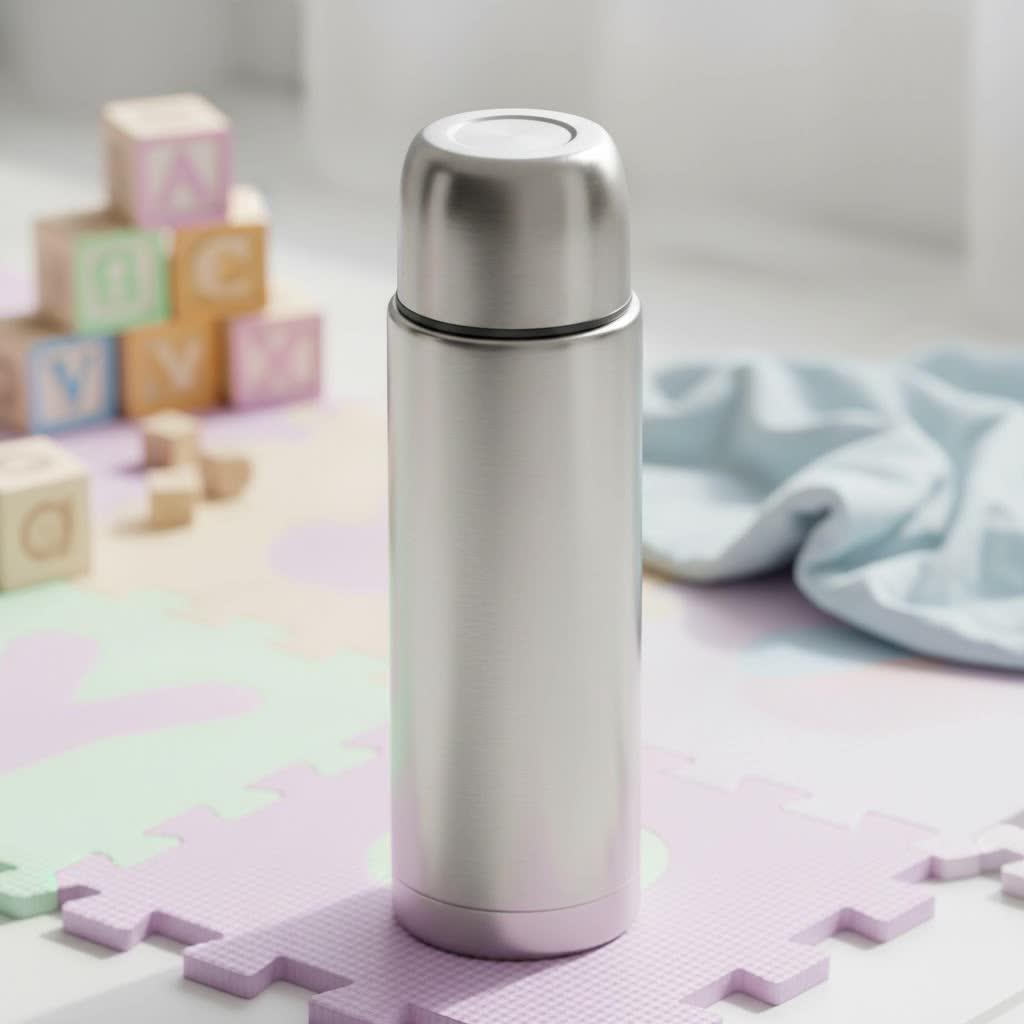
Have you ever poured yourself a perfectly brewed coffee or a refreshing iced tea, only for it to reach an undesirable temperature far too quickly? The struggle to keep our beverages at their ideal warmth or chill throughout the day is a common annoyance. Thankfully, the modern Water Bottle Thermos Flask has emerged as an indispensable companion, revolutionizing how we enjoy our drinks on the go. This comprehensive guide, informed by over a decade of hands-on experience, will equip you with the knowledge to select the perfect thermos bottle to suit your lifestyle, ensuring every sip is just right.
What is a Thermos Bottle? Why Do You Need One?
A thermos bottle, often interchangeably called a vacuum flask or insulated water bottle, is an ingenious storage vessel designed to significantly slow down the rate at which its contents change temperature. Its core technology lies in double-wall vacuum insulation, where a vacuum layer is created between two walls of material, typically stainless steel [cite: 1, 4 (search result 3)]. This vacuum acts as a barrier, dramatically reducing heat transfer through conduction, convection, and radiation, thus keeping your beverages hot or cold for extended periods.
The benefits of integrating a thermos bottle into your daily routine are numerous and impactful. Firstly, it offers exceptional temperature retention, keeping hot drinks like coffee or tea piping hot for 12 to 24 hours and cold beverages refreshing for 24 hours or even longer [cite: 1, 2 (search result 5); 1 (search result 1)]. This translates into significant cost savings by reducing reliance on cafes and vending machines, and it’s a win for your health, as many quality thermoses are crafted from food-grade, BPA-free stainless steel that won’t leach harmful chemicals into your drinks [cite: 2, 3 (search result 5)]. Beyond personal convenience and well-being, choosing a reusable thermos is an eco-conscious decision, drastically cutting down on single-use plastic waste. These bottles are also inherently durable, often designed to be leak-proof and condensation-free, preventing spills and protecting your belongings [cite: 2, 3 (search result 5); 4 (search result 1)].
Popular Types of Thermos Bottles
Thermos bottles come in a variety of materials, capacities, and designs, each suited to different needs and preferences. Understanding these classifications is key to finding your ideal match.
Classification by Material
The material of your thermos bottle greatly influences its performance, durability, and safety.
- Stainless Steel Thermos Bottles: These are by far the most popular and recommended type. Typically made from 304 or 316-grade stainless steel (18/8 food-grade), they offer superior durability, impact resistance, and a non-reactive surface that won’t impart metallic tastes to your beverages [cite: 1 (search result 1); 2, 3 (search result 5)]. Stainless steel excels in insulation, is easy to clean, and is fully recyclable at the end of its lifespan. While they can be slightly heavier than plastic options, their longevity and performance make them a worthwhile investment.
- Plastic Thermos Bottles: While lightweight and often more affordable, plastic thermoses generally provide poorer insulation compared to their stainless steel counterparts [cite: 3 (search result 2)]. It is crucial to ensure any plastic thermos is certified BPA-free to avoid chemical leaching, especially when exposed to heat or sunlight. They tend to be less durable and can wear out or retain flavors over time.
- Glass Thermos Bottles: Glass thermoses, often made with borosilicate glass, are known for being very stable, easy to clean, and entirely safe, with no risk of flavor retention or chemical leaching [cite: 1 (search result 3); 3 (search result 2)]. However, their primary drawback is fragility, making them less suitable for active lifestyles or environments where they might be dropped. They generally offer good insulation but require careful handling.
|
Our Picks for the Best Thermos Bottle in 2026
We may earn a commission when you use one of our links to make a purchase.
|
||
| Num | Product | Action |
|---|---|---|
| 1 | THERMOS ICON SERIES, Stainless Steel Water Bottle with Spout - 24 Ounce, Melon - Vacuum Insulated Water Bottle with Lid |

|
| 2 | THERMOS ICON SERIES, Stainless Steel Water Bottle with Spout - 24 Ounce, Matte Stainless Steel - Vacuum Insulated Water Bottle with Lid |
|
| 3 | Insulated Thermo Water Bottle with Handle 20oz Stainless Steel Water Bottle Metal Water Flask Water Bottle for Hot and Cold Drink for Hiking, Workout, Gym, Travel (Green, 600ml) |
|
| 4 | THERMOS Stainless King Vacuum-Insulated Compact Bottle, 16 Ounce, Matte Steel |
|
| 5 | THERMOS ICON SERIES Stainless Steel Water Bottle with Spout - 24 Ounce, Glacier - Vacuum Insulated Water Bottle with Lid |
|
| 6 | THERMOS ICON SERIES, Stainless Steel Water Bottle with Spout - 24 Ounce, Plum - Vacuum Insulated Water Bottle with Lid |
|
| 7 | THERMOS Stainless King Vacuum-Insulated Compact Bottle, 16 Ounce, Rustic Red |
|
| 8 | THERMOS ICON SERIES Stainless Steel Water Bottle with Spout - 24 Ounce, Granite - Vacuum Insulated Water Bottle with Lid |
|
| 9 | THERMOS Stainless King Vacuum-Insulated Compact Bottle, 16 Ounce, Midnight Blue |
|
| 10 | THERMOS ICON SERIES Stainless Steel Water Bottle with Spout - 24 Ounce, Saddle - Vacuum Insulated Water Bottle with Lid |
|
Classification by Capacity
The right capacity depends on how and where you plan to use your thermos.
- Mini (Under 500ml): These compact bottles are perfect for short outings, children’s lunches, or when you need a small, portable option for a single serving of coffee or tea.
- Medium (500ml – 1 liter): This range is highly versatile, ideal for daily hydration at the office, school, or during a moderate workout. They strike a good balance between capacity and portability [cite: 1 (search result 1)].
- Large (Over 1 liter): Designed for extended use, sharing, or intense activities, larger thermoses reduce the need for frequent refills and are excellent for family picnics, long hikes, or all-day hydration needs [cite: 1 (search result 1)]. They tend to be heavier but offer maximum capacity.
Classification by Purpose
Thermos bottles are also tailored to specific activities and users.
- For Office Workers: Look for sleek, leak-proof designs that fit well in bags and cup holders. Features like easy-pour spouts or integrated cups are a plus for professional settings [cite: 1, 5 (search result 5)].
- For Children: Safety is paramount. Opt for durable, BPA-free stainless steel bottles with easy-to-use lids (like straw lids) and designs that are appealing to kids and can withstand drops [cite: 2 (search result 5)].
- For Sports and Outdoors: These require rugged, highly durable, and often larger capacity bottles. Features like anti-slip bottoms, handles, carabiner clips, and specialized lids for quick hydration (e.g., chug caps, straw lids) are beneficial for athletes and adventurers [cite: 1 (search result 1)].
- Food Thermoses: While standard thermoses are primarily for liquids, specialized food thermoses are designed with wider mouths to hold and keep solid foods like soups, stews, or pasta warm for hours [cite: 4 (search result 3)].
Comparison Table: Choosing Your Ideal Thermos Bottle
| Feature | Stainless Steel | Plastic | Glass |
|---|---|---|---|
| Durability | High (impact-resistant, scratch-resistant) [cite: 2 (search result 5)] | Low to Medium (prone to cracking/wear) | Low (fragile, easily broken) [cite: 3 (search result 2)] |
| Insulation | Excellent (double-wall vacuum) [cite: 2 (search result 5)] | Fair (basic insulation) | Good (stable temperature) |
| Safety | Very High (food-grade, BPA-free, non-reactive) [cite: 2, 3 (search result 5)] | Variable (must be BPA-free) | Very High (inert, no chemical leaching) |
| Taste/Odor | No retention (high-quality 18/8 steel) [cite: 2 (search result 5)] | Can retain flavors/odors | No retention |
| Portability | Medium to High (can be heavier) | High (lightweight) | Low (fragile, not ideal for travel) [cite: 3 (search result 2)] |
| Cleaning | Easy (wide mouth, some dishwasher safe) [cite: 1 (search result 1)] | Easy | Very Easy (transparent) |
| Cost | Medium to High | Low | Medium |
| Best For | Everyday, sports, travel, hot/cold beverages | Light use, short insulation needs, kids’ water | Home use, delicate beverages, aesthetics |
Guide to Choosing a Thermos Bottle
Selecting the perfect thermos bottle involves a careful assessment of your needs and the product’s features.
1. Determine Your Usage Needs
Before anything else, consider your primary purpose for the thermos. Are you looking for a compact bottle for your morning commute, a rugged flask for outdoor adventures, or a large container for family outings? Your activities will dictate the ideal capacity, material, and specific features you require [cite: 1, 5 (search result 4)]. If you need it for work, a sleeker, leak-proof design might be preferable. For sports, prioritize durability and ease of drinking.
2. Choose Reputable Brands
Investing in a well-known brand often guarantees better quality, reliable insulation, and better customer support. Brands that specialize in drinkware are more likely to have advanced vacuum insulation technology and higher quality materials. Always check for warranty policies and customer service options [cite: 1 (search result 1)].
3. Check Product Quality
A thorough inspection is crucial to ensure you’re getting a high-quality product.
- Insulation Performance: Look for bottles explicitly stating “double-wall vacuum insulation.” Reliable thermoses can keep liquids hot or cold for many hours, sometimes up to 24 hours or more for cold drinks [cite: 1, 5 (search result 4); 2 (search result 5)].
- Leak-Proof Design: A secure, tightly sealing lid is non-negotiable to prevent spills. Check for silicone gaskets and robust cap mechanisms [cite: 4 (search result 1)].
- Durability: Stainless steel is generally more durable than plastic. Examine the surface for a smooth finish and any imperfections. Avoid bottles with loose or removable bottom sections, as these can compromise insulation and lead to leaks [cite: 2, 5 (search result 1); 1, 2 (search result 4)]. A sturdy feel often indicates better construction.
- Safety of Materials: Ensure the bottle is made from food-grade materials, typically 18/8 (304 grade) stainless steel, and is BPA-free. Avoid any thermos that has a strange odor upon opening, as this might indicate subpar materials [cite: 1, 2 (search result 4)].
- Ease of Cleaning: A wide mouth facilitates easy filling and thorough cleaning, especially if you add ice cubes or fruit [cite: 1 (search result 1)]. Some components that disassemble can also aid in hygiene.
4. Read User Reviews
Before making a final decision, consult user reviews and ratings from reliable sources. Real-world feedback can offer valuable insights into a product’s actual insulation performance, durability, and overall user experience, often highlighting pros and cons that aren’t immediately obvious [cite: 1 (search result 1); 5 (search result 4)].
Tips for Using and Maintaining Your Thermos Bottle
Proper care and usage will maximize your thermos bottle’s lifespan and performance.
- Pre-Conditioning: For best results, pre-heat your thermos with hot water (for hot drinks) or pre-chill it with cold water/ice (for cold drinks) for 5-10 minutes before filling it with your desired beverage. This helps the inner walls reach the target temperature, enhancing retention [cite: 3 (search result 3)].
- Effective Cleaning: Clean your thermos regularly with warm, soapy water and a bottle brush to prevent bacteria buildup and odors. While some stainless steel bottles are dishwasher-safe, hand washing is generally recommended to preserve the integrity of the vacuum seal and exterior finish [cite: 1, 2 (search result 1)]. Avoid abrasive cleaners or harsh chemicals. Ensure all parts, especially lids and seals, are thoroughly dried before reassembling.
- Avoid Carbonated Drinks: It’s generally not advised to store carbonated beverages in a thermos, as the pressure from the fizz can weaken the seal or even cause leaks and damage to the lid over time [cite: 5 (search result 1)].
- Proper Storage: When not in use, store your thermos with the lid slightly ajar to allow air circulation and prevent any residual odors.
“Choosing a quality thermos bottle is an investment in both your daily convenience and your long-term health. The right one becomes an indispensable tool, keeping your drinks perfect regardless of your day’s demands.” – Admin, reviewjoeyg.com, Thermos Bottle Expert
Conclusion
The water bottle thermos flask is far more than just a container; it’s a testament to convenience, health, and environmental responsibility. By understanding the different types, materials, and essential features, you can confidently navigate the market and select a thermos bottle that perfectly aligns with your lifestyle. From keeping your morning coffee warm on a chilly commute to providing ice-cold hydration during a summer hike, a well-chosen thermos ensures your favorite beverages are always at their best. Make the switch to a high-quality, reusable thermos today and experience the difference. What’s your top priority when choosing your next thermos bottle?
Frequently Asked Questions
How long do thermos bottles typically keep drinks hot or cold?
Most high-quality thermos bottles with double-wall vacuum insulation can keep drinks hot for 6-12 hours and cold for 12-24 hours, with some premium models extending cold retention even longer, up to 48 hours or more. This performance can vary based on the initial temperature, bottle capacity, and external conditions. [cite: 1, 2 (search result 5); 4 (search result 4)]
Can I put carbonated drinks in a thermos bottle?
It is generally not recommended to put carbonated drinks in a thermos bottle. The pressure from the carbonation can build up inside the sealed flask, potentially weakening the lid’s seal, leading to leaks, or even causing the lid to pop open unexpectedly. [cite: 5 (search result 1)]
How do I properly clean a thermos bottle to prevent odors?
To prevent odors and ensure hygiene, clean your thermos bottle regularly with warm water and a mild dish soap using a bottle brush. For stubborn odors, a mixture of baking soda and warm water left to sit overnight can be effective. Always rinse thoroughly and air dry with the lid off to ensure complete drying and prevent mildew. [cite: 1, 2 (search result 1)]
Are all stainless steel thermos bottles safe?
Most modern stainless steel thermos bottles are safe, typically made from food-grade 18/8 (304 grade) stainless steel, which is non-reactive and doesn’t leach chemicals. However, always check for certifications like “BPA-free” and ensure there are no strange smells, which could indicate lower quality materials.