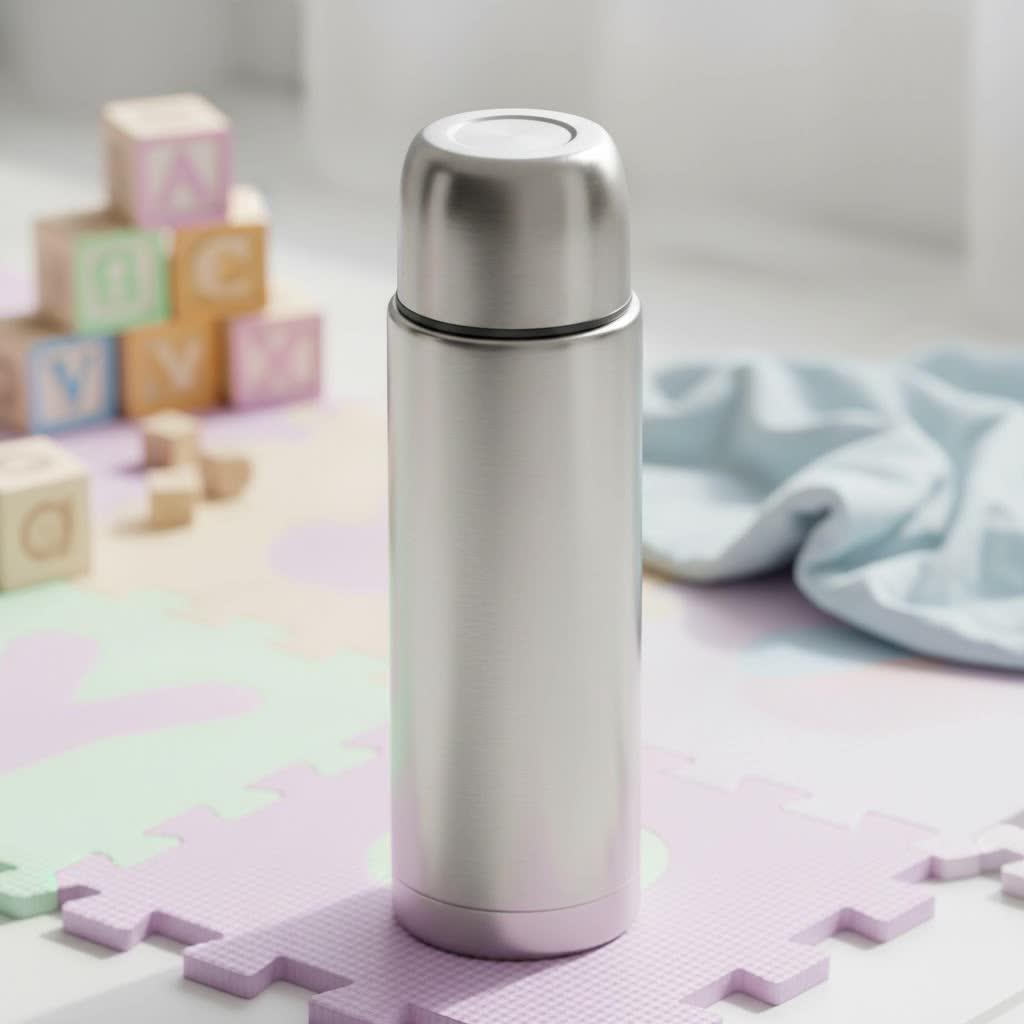
Staying hydrated or enjoying a perfectly hot beverage on the go has become a modern necessity. Whether you’re an avid outdoor adventurer, a busy professional, or simply want to keep your kids’ drinks at the right temperature, a reliable Thermos Drinking Bottle is an indispensable companion. But with countless options flooding the market, how do you choose the one that truly fits your lifestyle? This guide, built on over a decade of hands-on experience, will navigate you through the world of thermos bottles, ensuring you make an informed choice that brings both convenience and peace of mind.
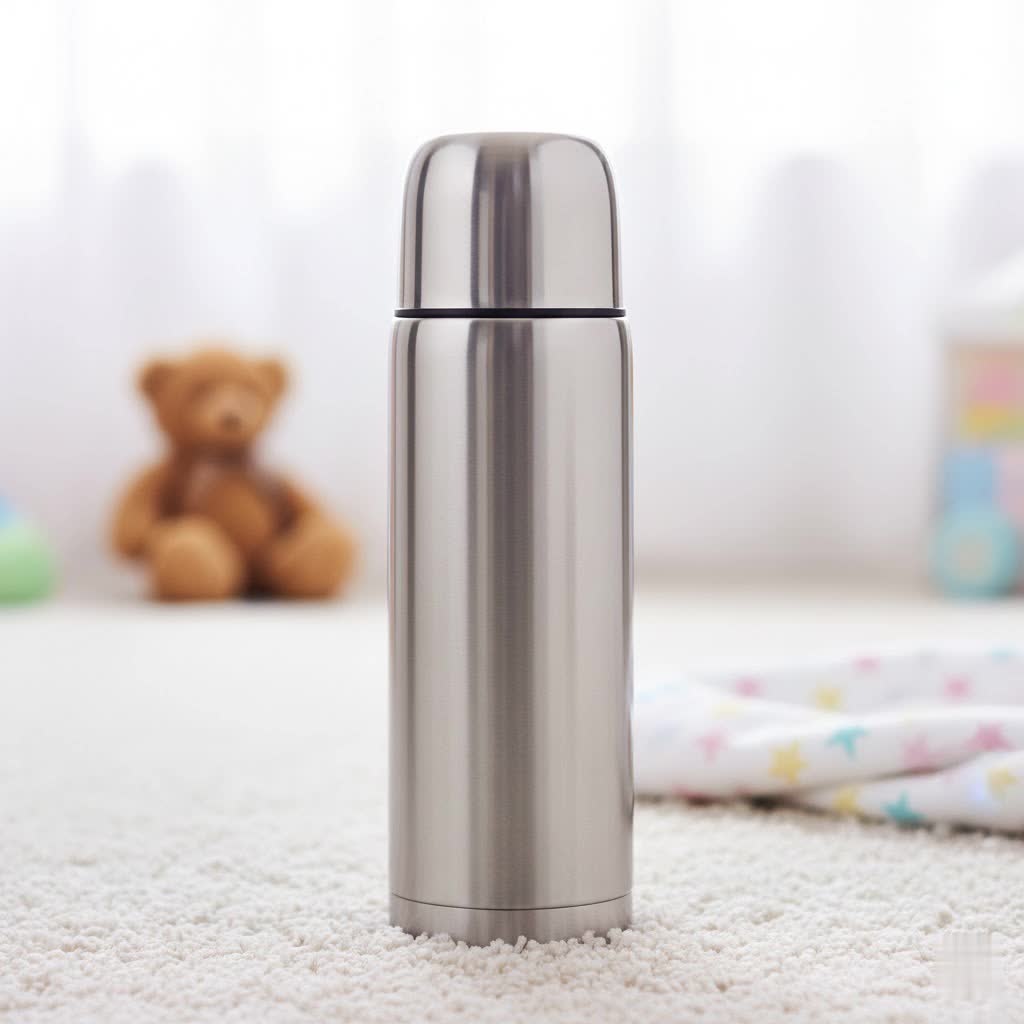
What is a Thermos Drinking Bottle and Why Do You Need One?
A thermos drinking bottle, often referred to as an insulated bottle or flask, is a container designed to maintain the temperature of its contents, keeping hot liquids hot and cold liquids cold for extended periods. This remarkable ability comes from its vacuum insulation technology, typically featuring double-walled construction with a vacuum space between the layers that minimizes heat transfer through conduction, convection, and radiation.
The benefits of using a thermos drinking bottle are extensive. Beyond simply enjoying your coffee piping hot or your water refreshingly cold, these bottles promote better health by encouraging consistent hydration, reduce waste by replacing single-use plastic bottles, and can even save you money on daily beverage purchases. They offer unmatched versatility, serving as ideal containers for water, coffee, tea, smoothies, and even soups, adapting to diverse needs from daily commutes to adventurous expeditions.
Popular Types of Thermos Drinking Bottles
Thermos drinking bottles come in various forms, each offering distinct advantages based on their material, capacity, and intended use. Understanding these classifications is key to finding your perfect match.
Classification by Material
The material of your thermos bottle significantly impacts its durability, insulation performance, and safety.
-
Stainless Steel Thermos Bottles: These are arguably the most popular choice, known for their exceptional durability, resistance to dents and scratches, and long lifespan. High-quality stainless steel, typically 18/8 (304 grade), is inert and non-reactive, meaning it won’t leach harmful chemicals like BPA or impart metallic tastes to your drinks. This material also resists rust and corrosion, ensuring hygienic use over time. While generally heavier than plastic, their robustness makes them perfect for active lifestyles and daily wear and tear.
-
Plastic Thermos Bottles: While less common for their primary insulating function, some bottles incorporate plastic elements or are entirely made of plastic. When considering plastic, always ensure it is BPA-free to avoid potential health risks. Plastic bottles are typically lighter and often more affordable, but generally offer inferior insulation compared to stainless steel and may be less durable over time. They are often found in designs for children due to their lighter weight and vibrant aesthetics.
-
Glass Thermos Bottles: Glass offers a pure taste and allows for easy visual monitoring of contents. Some glass bottles feature double-wall insulation, providing a degree of temperature retention. However, their primary drawback is fragility, making them less suitable for rugged use or environments where impact is a concern. Many glass thermos designs come with protective silicone sleeves to mitigate this risk.
|
Our Picks for the Best Thermos Bottle in 2026
We may earn a commission when you use one of our links to make a purchase.
|
||
| Num | Product | Action |
|---|---|---|
| 1 | THERMOS ICON SERIES, Stainless Steel Water Bottle with Spout - 24 Ounce, Matte Stainless Steel - Vacuum Insulated Water Bottle with Lid |

|
| 2 | Insulated Thermo Water Bottle with Handle 20oz Stainless Steel Water Bottle Metal Water Flask Water Bottle for Hot and Cold Drink for Hiking, Workout, Gym, Travel (Green, 600ml) |
|
| 3 | THERMOS Stainless King Vacuum-Insulated Compact Bottle, 16 Ounce, Midnight Blue |
|
| 4 | THERMOS ICON SERIES Stainless Steel Water Bottle with Spout - 24 Ounce, Saddle - Vacuum Insulated Water Bottle with Lid |
|
| 5 | THERMOS ICON SERIES Stainless Steel Water Bottle with Spout - 24 Ounce, Granite - Vacuum Insulated Water Bottle with Lid |
|
| 6 | THERMOS ICON SERIES, Stainless Steel Water Bottle with Spout - 24 Ounce, Plum - Vacuum Insulated Water Bottle with Lid |
|
| 7 | THERMOS ICON SERIES, Stainless Steel Water Bottle with Spout - 24 Ounce, Melon - Vacuum Insulated Water Bottle with Lid |
|
| 8 | THERMOS ICON SERIES Stainless Steel Water Bottle with Spout - 24 Ounce, Glacier - Vacuum Insulated Water Bottle with Lid |
|
| 9 | THERMOS Stainless King Vacuum-Insulated Compact Bottle, 16 Ounce, Rustic Red |
|
| 10 | THERMOS Stainless King Vacuum-Insulated Compact Bottle, 16 Ounce, Matte Steel |
|
Classification by Capacity
Choosing the right size is crucial for convenience and meeting your hydration needs throughout the day.
-
Mini Bottles (Under 500ml): These compact bottles are ideal for short trips, small portions of coffee or tea, or for children’s lunchboxes. Their small size makes them incredibly portable and easy to slip into a purse or small bag.
-
Medium Bottles (500ml – 1 Liter): This is the most versatile range, suitable for daily office use, school, or moderate outdoor activities. They provide sufficient hydration for several hours without being overly bulky.
-
Large Bottles (Over 1 Liter): Designed for serious hydration needs, long excursions, sports, or family outings, these bottles minimize the need for frequent refills. They are heavier when full but offer maximum capacity for extended use.
Classification by Intended Use
Manufacturers often tailor designs with specific users in mind.
-
Thermos Bottles for Office Workers: These often feature sleek designs, comfortable grips, and easy-to-open lids for convenient desk use. They usually fall into the medium capacity range.
-
Thermos Bottles for Children: Safety is paramount here. Look for BPA-free materials, spill-proof designs, easy-to-use spouts, and durable construction that can withstand drops. Fun colors and character designs are common.
-
Sports Thermos Bottles: Built for ruggedness, these bottles are typically made from stainless steel, feature robust, leak-proof lids, and often include carrying handles or carabiner clips for attachment to bags. Excellent insulation and impact resistance are key features.
Comparison Table: Key Features Across Bottle Types
| Feature / Type | Stainless Steel | Plastic (BPA-Free) | Glass |
|---|---|---|---|
| Insulation | Excellent (vacuum insulated) | Moderate (limited) | Good (double-walled) |
| Durability | Very High (impact-resistant) | Moderate (prone to scratches/cracks) | Low (fragile, prone to breaking) |
| Safety | High (no chemical leaching) | Good (if BPA-free) | High (pure taste, no leaching) |
| Weight | Medium to Heavy | Light | Medium |
| Taste Purity | High (no metallic taste if good quality) | Can retain odors/tastes | Excellent |
| Cost | Medium to High | Low | Medium to High |
| Best For | All-around, outdoor, daily use | Kids, light use, budget-conscious | Home, office, aesthetic preference |
Your Guide to Choosing the Perfect Thermos Drinking Bottle
Selecting the ideal thermos drinking bottle involves a careful consideration of your personal needs and a keen eye for quality.
1. Determine Your Usage Needs
Before anything else, ask yourself:
- What is its primary purpose? Is it for your morning coffee, daily water intake at work, hydrating during a hike, or keeping your child’s juice cold at school?
- What capacity do you need? A small bottle for a single serving or a large one for all-day hydration?
- Which material do you prefer? Do you prioritize durability (stainless steel), lightness (plastic), or pure taste (glass)?
2. Prioritize Reputable Brands
Investing in a well-known brand often guarantees better quality, performance, and customer support. Brands like Thermos, Hydro Flask, Yeti, Zojirushi, Stanley, and Owala are frequently reviewed and consistently rank high for their insulation properties and overall durability. Research their warranty policies and customer service reputation before purchasing.
3. Inspect Product Quality
A thorough check of the product details can prevent future disappointment.
- Appearance: Look for uniform polishing, smooth welding around the mouth, and an absence of bruises or scratches on the exterior.
- Lid and Seal: Ensure the lid screws on smoothly and tightly, without any gaps. Test for leaks by filling the bottle with water, tightening the lid, and inverting it for a few minutes. A good lid design, especially one with a dual seal, is crucial for superior insulation, as most heat is lost through the lid.
- Material Verification: For stainless steel bottles, confirm that it’s food-grade stainless steel (often 304 or 316). If the lid components are plastic, ensure they are food-grade and odorless.
- Insulation Check: A simple test for insulation quality is to fill the bottle with hot water, close it, and after 4-5 minutes, touch the outer surface. If it feels warm, the vacuum insulation is compromised, and it won’t retain temperature effectively.
- Weight: Contrary to popular belief, a heavier bottle doesn’t necessarily mean better quality. Some manufacturers add sand to increase weight, so focus on insulation and material quality instead of just heft.
4. Read User Reviews
Consulting reviews from other users on independent platforms can offer invaluable insights into a bottle’s real-world performance, common issues, and longevity. Pay attention to comments regarding temperature retention, durability, ease of cleaning, and any taste transfer.
Tips for Using and Maintaining Your Thermos Drinking Bottle
Proper usage and care will significantly enhance your thermos bottle’s performance and extend its lifespan.
- Preheat or Pre-chill: For optimal temperature retention, “scald” your bottle before use. Fill it with boiling water for hot drinks or ice water for cold drinks, let it sit for 5-10 minutes, then discard the water before adding your desired beverage. This prepares the inner walls for consistent temperature maintenance.
- Fill Appropriately: Filling your bottle close to its capacity will generally yield better insulation results than partially filling it, especially for cold drinks.
- Clean Regularly: Wash your thermos bottle thoroughly after each use to prevent bacterial growth and odor buildup. Use warm water and mild detergent. For stainless steel, regular cleaning prevents discoloration.
- Avoid Harsh Chemicals: Do not use abrasive cleaners, bleach, or scouring pads, as these can damage the interior or exterior finish.
- Mind Your Beverages: Avoid storing milk, tea (for prolonged periods), or carbonated drinks in your thermos, as these can degrade the inner lining or build up pressure.
- Store Properly: When not in use, store your thermos bottle with the lid off to allow for air circulation and prevent moisture buildup or odors.
“A quality thermos bottle isn’t just about keeping drinks hot or cold; it’s an investment in sustainable hydration, personal health, and everyday convenience.” – Admin of reviewjoeyg.com, Thermos Bottle Specialist.
Conclusion
Choosing the ideal thermos drinking bottle involves more than just picking a color or a popular brand. It requires understanding the science behind its insulation, evaluating materials for safety and durability, and aligning its features with your unique lifestyle demands. By following this comprehensive guide—considering material, capacity, specific usage, and diligent quality checks—you’re now equipped to select a thermos drinking bottle that performs reliably, safeguards your health, and seamlessly integrates into your daily routine. What will be your next adventure with your perfectly chosen thermos?
Frequently Asked Questions
What is the best material for a thermos drinking bottle?
Stainless steel, particularly 18/8 (304 grade), is widely considered the best material for thermos drinking bottles due to its excellent durability, superior insulation properties, and non-toxic nature that prevents chemical leaching and taste transfer.
How long can a good thermos bottle keep drinks hot or cold?
A high-quality thermos drinking bottle with vacuum insulation can typically keep drinks hot for 6-12 hours and cold for 12-24 hours or even longer. Factors like ambient temperature, the initial temperature of the liquid, and how often the lid is opened will influence actual performance.
Is a wide-mouth or narrow-mouth thermos bottle better for insulation?
Generally, a narrower mouth diameter contributes to better insulation because less heat is lost through the lid. However, wide-mouth bottles are easier to clean and accommodate ice cubes, so the choice often depends on balancing insulation performance with ease of use.
Can I put carbonated drinks in my thermos drinking bottle?
It is generally not recommended to put carbonated drinks in a thermos drinking bottle, as the pressure buildup from the carbonation can potentially damage the bottle or cause the lid to open unexpectedly, leading to spills or injury.