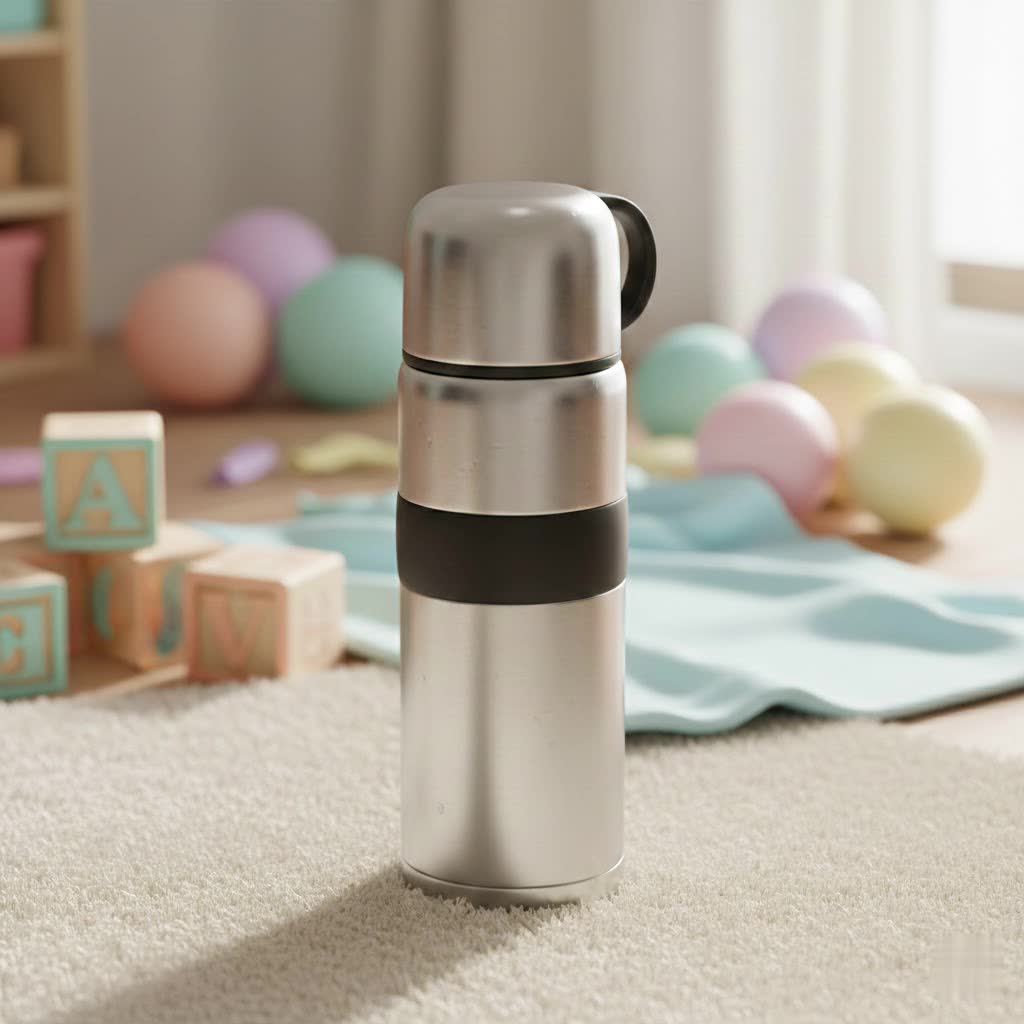
Stepping back in time often brings a flood of comforting memories, and for many, the sight of an old thermos bottle evokes a powerful sense of nostalgia. From bustling schoolyards to family picnics and chilly construction sites, these trusty companions were once ubiquitous, promising a comforting sip of hot cocoa or a refreshing gulp of iced tea. But beyond the sentimental value, what truly makes an old thermos bottle special, and more importantly, are these vintage vessels still safe and practical for modern-day useLet’s examine the fascinating world of vintage vacuum flasks, exploring their history, evolution, and what you need to know to appreciate or even use one today.
What is an Old Thermos Bottle? Why Their Legacy Continues
At its core, an old thermos bottle is a shows ingenious insulation technology designed to maintain the temperature of its contents. Invented in 1892 by Scottish scientist Sir James Dewar, the original “vacuum flask” trapped heat by creating a vacuum between two walls, drastically reducing heat transfer. While Dewar’s invention was initially for scientific use, it was soon commercialized in 1904 by German glassblowers Reinhold Burger and Albert Aschenbrenner, who coined the now-famous “Thermos” trademark. This innovation quickly transformed everyday life, offering a portable solution for keeping beverages and food hot or cold for extended periods. The legacy of these early designs continues to captivate, blending functionality with a unique aesthetic that tells a story of craftsmanship and a simpler time. For see our thermos bottles recommendations on this site.
The Enduring Appeal and Nostalgia
For many, an old thermos bottle is more than just a container; it’s a tangible link to personal history and a symbol of bygone eras. These vessels conjure images of childhood lunches, long road trips, and cozy gatherings, providing a comforting presence that transcends mere utility. Their often vibrant colors, distinctive patterns like classic plaids, and robust construction speak to a design philosophy focused on durability and timeless appeal. Collecting old thermoses has become a beloved hobby for enthusiasts seeking to preserve these pieces of everyday history, appreciating them for their aesthetic charm as much as their original purpose.
A Journey Through Time: Evolution of Thermos Bottle Materials
The journey of the thermos bottle reflects a continuous quest for improved insulation, durability, and user convenience. Over the decades, the materials used in their construction have evolved significantly, each change bringing new advantages and considerations.
Early Glass Liners and Cork Stoppers
The earliest commercial thermos bottles, including those from the “Thermos” brand, predominantly featured an inner glass liner. This double-walled glass construction, with a vacuum sealed between the layers, was highly effective at insulating. The inner surface was often silvered to further reduce heat transfer by radiation. These glass liners were typically paired with natural cork stoppers, offering a simple yet effective seal.
However, this design came with inherent challenges. Glass, by its nature, is fragile and susceptible to shattering upon impact or from sudden temperature changes (thermal shock). A broken glass liner meant the end of the thermos’s insulating capability and, more critically, posed a safety hazard if shards entered the contents. While highly efficient for insulation, their delicate nature required careful handling.
Transition to Plastics and Beyond
|
Our Picks for the Best Thermos Bottle in 2026
As an Amazon Associate I earn from qualifying purchases.
|
||
| Num | Product | Action |
|---|---|---|
| 1 | THERMOS ICON SERIES, Stainless Steel Water Bottle with Spout - 24 Ounce, Matte Stainless Steel - Vacuum Insulated Water Bottle with Lid |

|
| 2 | THERMOS ICON SERIES Stainless Steel Water Bottle with Spout - 24 Ounce, Granite - Vacuum Insulated Water Bottle with Lid |
|
| 3 | Insulated Thermo Water Bottle with Handle 20oz Stainless Steel Water Bottle Metal Water Flask Water Bottle for Hot and Cold Drink for Hiking, Workout, Gym, Travel (Green, 600ml) |
|
| 4 | THERMOS Stainless King Vacuum-Insulated Compact Bottle, 16 Ounce, Midnight Blue |
|
| 5 | THERMOS Stainless King Vacuum-Insulated Compact Bottle, 16 Ounce, Matte Steel |
|
| 6 | THERMOS ICON SERIES Stainless Steel Water Bottle with Spout - 24 Ounce, Glacier - Vacuum Insulated Water Bottle with Lid |
|
| 7 | THERMOS Stainless King Vacuum-Insulated Compact Bottle, 16 Ounce, Rustic Red |
|
| 8 | THERMOS ICON SERIES, Stainless Steel Water Bottle with Spout - 24 Ounce, Melon - Vacuum Insulated Water Bottle with Lid |
|
| 9 | THERMOS ICON SERIES, Stainless Steel Water Bottle with Spout - 24 Ounce, Plum - Vacuum Insulated Water Bottle with Lid |
|
| 10 | THERMOS ICON SERIES Stainless Steel Water Bottle with Spout - 24 Ounce, Saddle - Vacuum Insulated Water Bottle with Lid |
|
As manufacturing technologies advanced, thermos bottle designers sought more robust alternatives. The 1960s saw a significant shift, with manufacturers introducing plastic liners and outer casings. These plastic components offered increased durability, resisting dents and breaks better than glass. This era also brought a wider array of designs, colors, and patterns, moving beyond the traditional metal and plaid to include more playful and contemporary aesthetics. Think avocado green, vibrant oranges, and character-themed designs, often paired with matching lunchboxes.
By the 1980s, stainless steel began to emerge as a dominant material for both inner and outer construction. Stainless steel vacuum insulation offered unparalleled durability, rust resistance, and often superior heat retention compared to earlier plastic-lined models. This material largely defines the modern thermos bottle landscape, though glass-lined options still exist for specific applications.
Are Old Thermos Bottles Safe to Use? Navigating the Risks
The question of whether an old thermos bottle is safe for regular use is critical, particularly given the evolution of materials and manufacturing standards. While many vintage thermoses remain perfectly functional, certain aspects warrant careful consideration.
The Glass Liner Dilemma
The primary safety concern with older thermoses often revolves around their glass liners. If an old thermos has a glass interior, there’s a risk that the liner might be cracked or shattered, even if the exterior appears intact. Consuming liquids from a bottle with a broken glass liner is extremely dangerous.
- How to Check for Damage:
- Listen for Rattling: Gently shake the thermos. If you hear any rattling, clinking, or the sound of loose fragments, the glass liner is likely broken.
- Water Test: Fill the thermos with plain water, seal it, and let it sit for 30-60 minutes. If the water level noticeably diminishes, or if you hear sloshing sounds from between the inner and outer walls, the glass is compromised, and liquid is leaking into the vacuum space.
- Visual Inspection: Look inside with a flashlight. While the mirrored silver coating is meant to be there, any visible cracks, chips, or areas where the glass appears compromised are red flags. A small non-shiny spot is usually just flaked silver behind the glass and not a direct ingestion risk, but it does indicate a breach in the vacuum seal over time, which reduces insulation efficiency.
If a glass liner is confirmed or suspected to be broken, the thermos should no longer be used for food or beverages. It can, however, still be enjoyed as a decorative piece.
Lid and Seal Integrity
Beyond the inner liner, the condition of the lid and seals is paramount for both safety and performance.
- Degraded Rubber Seals: Many older thermoses used rubber gaskets or seals in their lids. Over time, rubber can degrade, becoming brittle, cracked, or porous. This not only leads to leaks but can also harbor bacteria and mold, posing a health risk.
- Unknown Plastic Composition: Lids and stoppers made from older plastics might not bear modern recycling symbols, making their exact chemical composition unknown. While not all old plastics are harmful, concerns about BPA and other chemicals were not as prevalent during their manufacturing as they are today. If you’re unsure, it’s safer to avoid direct contact with these components, perhaps by using a separate cup for drinking.
- Corrosion: Metal components, particularly around the opening or hinges, can rust or corrode over decades, impacting hygiene and functionality.
Beyond the Liner: Other Potential Concerns
While specific widespread reports of hazardous materials like lead or asbestos in common vintage thermos bottles are not prevalent in general searches, it’s always wise to exercise caution with very old items. The primary concerns remain the physical integrity of the glass liner and the hygienic condition of seals and plastics. Proper cleaning is essential for any reusable container, new or old.
Identifying and Valuing Your Vintage Thermos Bottle
For collectors and enthusiasts, identifying the age and unique characteristics of an old thermos bottle is part of the thrill. Each detail can tell a story, hinting at its era, manufacturer, and even its rarity.
Decoding the Markings
One of the most reliable ways to identify an old thermos is by examining any markings on its base or body.
- Bottom Stamps: Many manufacturers stamped information on the bottom of their thermoses. Look for:
- Brand Name: “Thermos,” “Aladdin,” “Stanley,” “Keapsit,” or other vintage brands.
- Model or Filler Number: These numbers can often be cross-referenced online to help pinpoint the exact production years. For example, a “model number 2484” might indicate a production date between 1953-1955.
- “Made In” Markings: These can indicate the country of origin, which might correlate with specific design periods or manufacturing standards.
Key Features to Look For
The physical attributes of a thermos can also provide strong clues about its age and design era:
- Inner Liner Material: A glass inner liner typically suggests an older model, often from the 1960s or earlier. Plastic liners started appearing in the 1960s, followed by stainless steel in the 1980s.
- Stopper Material: Early models commonly used cork stoppers. Later models moved to plastic screw-in stoppers.
- Outer Casing: Metal exteriors were common, often adorned with classic plaid patterns or solid colors in the mid-century. The 1970s introduced more vibrant colors like avocado green and orange, sometimes with floral designs. The 1980s brought pop culture characters and designs linked to lunchbox sets.
- Ribbed Aluminum Body: A ribbed aluminum body on a half-pint thermos could indicate a model made before 1970.
Understanding Collector Value
The value of vintage thermoses can vary widely, from a few dollars to several thousand for exceptionally rare pieces.
- Common Finds: Many mid-century thermoses (1950s-1970s) in good condition are quite affordable, often ranging from $15 to $50. These are widely available at flea markets, antique shops, and online marketplaces.
- Rare and Pristine Examples: Certain models, especially very early or unique designs from the 1930s or earlier, particularly if they retain all original components like nesting cups, can fetch significantly higher prices. A 1933 American Bottle Company Model #370 in excellent condition with its original Catalin cups, for example, could be valued at $1,200 to $1,600 or more, with some rare finds potentially exceeding $4,000.
- Condition is Key: As with any collectible, the condition plays a crucial role. Minimal dents, scratches, rust, and the intactness of original paint or decals all contribute to higher value.
- Nostalgia Factor: Popular designs, particularly those with iconic plaid patterns or recognizable characters, often command a steady interest from collectors driven by nostalgia.
Caring for Your Vintage Find: Display and Maintenance Tips
Whether you intend to use your old thermos bottle or simply display it, proper care and maintenance are essential for preservation and safety.
Displaying Your Collection
If your old thermos is primarily a decorative item, a few tips can help maintain its condition and vibrant appearance:
- Avoid Direct Sunlight: Prolonged exposure to direct sunlight can cause colors and patterns to fade over time, diminishing the thermos’s aesthetic appeal.
- Control Humidity: Store thermoses in a room with low humidity to prevent rust on metal components and degradation of any natural materials like cork or rubber.
- Safe Placement: Display them in a stable location where they are unlikely to be knocked over, especially if they have fragile glass liners.
Cleaning and Sanitizing for Safe Use
If you plan to use an old thermos bottle for beverages or food, thorough cleaning and sanitization are paramount.
- Initial Deep Clean: Wash the interior with hot, soapy water. Use a bottle brush to reach all surfaces. Rinse thoroughly.
- Sanitization: For an extra layer of cleanliness, rinse the interior with a diluted sanitizing solution, such as a quarter teaspoon of bleach mixed with hot water. Cap the thermos, gently shake, let it sit for a few minutes, then rinse extensively with clean, hot water to remove all traces of the solution. Specialized baby bottle sterilizing solutions are also excellent for this purpose.
- Pre-heating (for glass-lined thermoses): To prevent thermal shock and potential cracking of a glass liner, always pre-heat the thermos with warm water before adding very hot liquids.
- Drying: After each use and cleaning, allow the thermos to air dry completely, ideally upside down, to prevent moisture buildup and potential bacterial growth or rust.
- Inspect Seals: Regularly check rubber or plastic seals for signs of degradation, cracking, or mold. If a seal is compromised, it’s best to replace it or consider the thermos for decorative use only.
When to Use and When to Decorate
The decision to use an old thermos bottle or simply display it depends heavily on its condition and internal materials.
- Decorative Use is Always Safe: If you have concerns about the integrity of a glass liner, the composition of older plastics, or the condition of seals, repurpose the thermos as a charming decorative accent. They add character to shelves, kitchens, or even outdoor vignettes.
- Cautious Practical Use: If the thermos passes all safety checks (no broken glass, intact seals, thoroughly cleaned), you can consider using it. However, it’s often advisable to pour contents into a separate cup rather than drinking directly from the thermos, especially if the lid’s plastic composition is unknown. Stainless steel lined vintage thermoses generally pose fewer risks.
“Vintage thermoses aren’t just practical vessels; they are tangible memories, connecting us to stories of adventure, comfort, and the simple pleasures of a perfectly preserved drink.” – Joey G. Admin, reviewjoeyg.com
Conclusion
Old thermos bottles offer a unique blend of historical charm, nostalgic appeal, and, in many cases, continued functionality. From their ingenious invention by Sir James Dewar to their evolution through various materials and designs, these insulated flasks have a rich story to tell. While the allure of collecting and appreciating these vintage pieces is strong, understanding the nuances of their construction, particularly regarding glass liners and older plastics, is crucial for safe and responsible enjoyment. By carefully inspecting, cleaning, and sometimes simply admiring them, we can ensure that these enduring symbols of warmth and refreshment continue to bring joy, whether on a shelf or in hand.
What stories do your old thermos bottles tell, and how will you choose to preserve their legacy?
Frequently Asked Questions
Are vintage glass-lined thermoses safe to drink from?
Vintage glass-lined thermoses can be safe to drink from if the glass liner is completely intact. Always perform a thorough inspection for cracks, chips, or rattling sounds, and conduct a water leak test. If any damage is detected, it is safer to use the thermos for decorative purposes only due to the risk of glass shards.
How do I clean an old thermos bottle?
To clean an old thermos bottle, wash it with hot, soapy water and a bottle brush. For sanitization, you can use a diluted bleach solution (1/4 tsp bleach per liter of hot water) or a baby bottle sterilizing solution, followed by extensive rinsing. Always air dry completely to prevent mold and rust.
When did thermos bottles stop using glass liners?
The widespread transition from glass liners to more durable materials like plastic began in the 1960s, with stainless steel liners becoming increasingly common in the 1980s. However, some specialized glass-lined vacuum flasks are still produced today for specific applications.
How can I tell how old my vintage thermos is?
You can estimate the age of a vintage thermos by examining bottom stamps for brand and model numbers, looking for specific design elements like plaid patterns (mid-century) or character themes (1980s), and checking the inner liner material (glass often pre-1960s/70s, plastic/stainless steel later).
Do old thermoses contain asbestos?
While asbestos was used as an insulating material in various older household items, general search results for “old thermos bottle” do not indicate widespread use of asbestos in the insulation of typical consumer thermos bottles. However, with very old or industrial-grade vacuum flasks, caution is always advised regarding unknown materials.
Get our weekly buyer guide
Practical specs, not advice. Unsubscribe anytime.

I loved reading about the history of these vacuum flasks! I inherited my grandpa’s old Thermos, and it’s still going strong. I use it for my coffee every morning, and it keeps it piping hot for hours, just like he always said it would. It’s amazing how well the original insulation technology still works.
I appreciate the look into the old thermos bottles, but I found that my vintage one, while charming, doesn’t always seal perfectly. Sometimes I get a small leak if it tips over in my bag, which is a bit of a hassle. It’s great for keeping things warm at home, but I’m hesitant to take it on a construction site like they used to.
This was a great read. I’ve always wondered if those vintage vessels were still safe to use. I have a couple from a yard sale that I use for picnics, and they’re perfect for keeping iced tea cold all day. It’s nice to know I’m not just relying on nostalgia, but on solid, enduring design.
My old Thermos bottle is a lifesaver for my long commutes. I fill it with hot cocoa in the winter, and it’s still warm when I get to work, even after an hour in the cold car. It really brings back those comforting memories of schoolyards and family outings. Definitely a testament to its enduring charm.