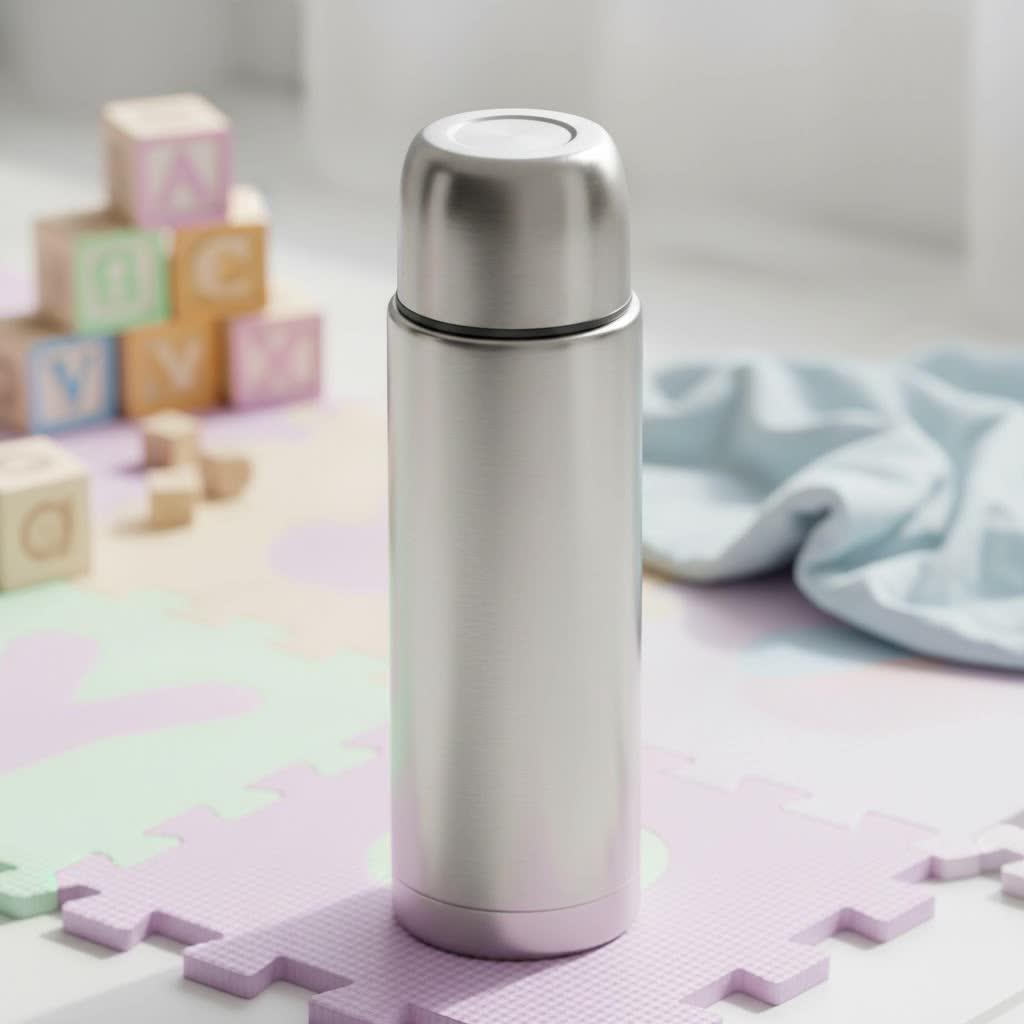
Imagine starting your day with a perfectly hot coffee or enjoying a refreshingly cold drink hours after you’ve prepared it. In a world constantly on the go, maintaining your beverage’s ideal temperature can feel like a luxury. But what if there was a simple, elegant solution that brought unparalleled performance to your daily routine? Enter the Japanese Thermos Bottle—a marvel of precision engineering and thoughtful design, crafted to keep your drinks just right, wherever life takes you. These aren’t just ordinary bottles; they are an investment in daily comfort, efficiency, and sustainable living.
What is a Japanese Thermos Bottle? Why Do You Need One?
A Japanese thermos bottle, often referred to as a vacuum flask or insulated mug, is a specialized container designed to maintain the temperature of its contents for extended periods. This is achieved through double-wall vacuum insulation, a sophisticated technology that creates a vacuum layer between two walls, significantly reducing heat transfer by conduction and convection. They are more than just vessels; they are everyday essentials that bring numerous benefits.
The primary advantage is, of course, their superior temperature retention. Whether you crave piping hot tea on a chilly morning or ice-cold water during a summer hike, a quality Japanese thermos delivers consistent performance for hours on end. Beyond temperature, these bottles promote health and safety, typically crafted from high-grade, food-safe stainless steel like SUS304, ensuring your drinks remain pure and free from harmful chemicals. By opting for a reusable bottle, you also contribute to cost savings and environmental protection, reducing reliance on single-use plastics and disposable cups. Ultimately, a Japanese thermos bottle offers unparalleled convenience, providing on-the-go hydration or refreshment without compromising taste or temperature.
Popular Types of Japanese Thermos Bottles
Japanese thermos bottles are renowned for their versatility, offering a range of options tailored to different needs and lifestyles. Understanding these variations can help you pinpoint the perfect match.
By Material
The choice of material significantly impacts a thermos bottle’s performance, durability, and safety.
- Stainless Steel Thermos Bottles: The gold standard for Japanese vacuum flasks, stainless steel models are praised for their exceptional durability, superior insulation capabilities, and inherent safety. They are rust-resistant and do not leach flavors or chemicals into your beverages. Many leading Japanese brands, like Zojirushi and Tiger, utilize SUS304 stainless steel, often with specialized non-stick coatings on the interior for easier cleaning and enhanced hygiene. While incredibly robust, larger stainless steel bottles can be heavier, and their exterior can show dents if dropped.
- Plastic Thermos Bottles: While the primary insulating components of Japanese thermoses are almost exclusively stainless steel, plastic elements are common in lids, seals, and outer casings. When considering plastic components, always look for BPA-free labels to ensure safety. These are lightweight and often more affordable, but plastic alone does not offer the same level of insulation or durability as stainless steel for the main body.
- Glass Thermos Bottles: Less common for portable, vacuum-insulated Japanese thermoses due to fragility and weight, glass is occasionally found in inner liners or decorative tea bottles. Glass offers a pure taste and is easy to clean, but its vulnerability to breakage makes it impractical for active use.
|
Our Picks for the Best Thermos Bottle in 2026
We may earn a commission when you use one of our links to make a purchase.
|
||
| Num | Product | Action |
|---|---|---|
| 1 | Insulated Thermo Water Bottle with Handle 20oz Stainless Steel Water Bottle Metal Water Flask Water Bottle for Hot and Cold Drink for Hiking, Workout, Gym, Travel (Green, 600ml) |

|
| 2 | THERMOS Stainless King Vacuum-Insulated Compact Bottle, 16 Ounce, Midnight Blue |
|
| 3 | THERMOS ICON SERIES Stainless Steel Water Bottle with Spout - 24 Ounce, Glacier - Vacuum Insulated Water Bottle with Lid |
|
| 4 | THERMOS Stainless King Vacuum-Insulated Compact Bottle, 16 Ounce, Rustic Red |
|
| 5 | THERMOS ICON SERIES, Stainless Steel Water Bottle with Spout - 24 Ounce, Matte Stainless Steel - Vacuum Insulated Water Bottle with Lid |
|
| 6 | THERMOS ICON SERIES Stainless Steel Water Bottle with Spout - 24 Ounce, Granite - Vacuum Insulated Water Bottle with Lid |
|
| 7 | THERMOS ICON SERIES Stainless Steel Water Bottle with Spout - 24 Ounce, Saddle - Vacuum Insulated Water Bottle with Lid |
|
| 8 | THERMOS Stainless King Vacuum-Insulated Compact Bottle, 16 Ounce, Matte Steel |
|
| 9 | THERMOS ICON SERIES, Stainless Steel Water Bottle with Spout - 24 Ounce, Plum - Vacuum Insulated Water Bottle with Lid |
|
| 10 | THERMOS ICON SERIES, Stainless Steel Water Bottle with Spout - 24 Ounce, Melon - Vacuum Insulated Water Bottle with Lid |
|
By Capacity
Thermos bottles come in various sizes, designed to suit different hydration requirements.
- Mini (Under 500ml): These compact and lightweight bottles are perfect for individual servings, short commutes, or for children’s lunchboxes. Their small footprint makes them exceptionally easy to carry in any bag without adding bulk. Common sizes include 350ml.
- Medium (500ml – 1 liter): Offering the most versatile range, these bottles are ideal for daily use at the office, school, or for moderate outdoor activities. Sizes like 500ml and 600ml are very popular, striking a balance between capacity and portability.
- Large (Over 1 liter): When you need extended hydration or want to share, larger thermoses are the answer. Suitable for long trips, family outings, or sports teams, these ensure you have plenty of your favorite beverage on hand for hours. Some models can reach capacities of 1.5 liters or more.
By Purpose of Use
Japanese thermos bottles are thoughtfully designed with specific user scenarios in mind, blending function with aesthetic appeal.
- For Office Workers: These models prioritize sleek designs, ease of use, and leak-proof reliability. Features like one-push open lids or mugs with comfortable handles are common, allowing for quick sips during busy workdays. Their minimalist aesthetic often complements a professional environment.
- For Children: Safety and durability are paramount for kids’ thermoses. They often feature robust construction, easy-to-open mechanisms (like one-touch buttons), and vibrant, engaging designs. Many Japanese children’s bottles even come standard with protective carrying cases and straps, making them easier for little hands to manage and protecting them from bumps and drops.
- For Sports & Outdoors: Built to withstand more rigorous conditions, sports thermoses are typically more robust, with larger capacities and features like impact-resistant coatings or carrying handles. Their secure, often push-button caps prevent spills during activity, making them reliable companions for athletes and adventurers alike.
Comparison Table of Popular Japanese Thermos Brands
When exploring Japanese thermos bottles, three brands consistently rise to the top for their quality, innovation, and performance: Zojirushi, Tiger, and Thermos. While all offer excellent insulation, subtle differences can guide your choice.
| Feature | Zojirushi | Tiger | Thermos (Japan) |
|---|---|---|---|
| Key Strengths | Superior insulation, extremely lightweight, non-stick coated interior (many models), one-hand operation | Exceptional durability, elegant design, diverse lid types, quiet resin base | Global presence, advanced vacuum insulation, reliable leak prevention |
| Heat/Cold Retention | Often considered best-in-class, very long-lasting | Excellent, reliable for many hours | Very good, consistent performance |
| Materials | High-grade SUS304 stainless steel, often with SlickSteel® or non-stick interior coating | High-grade SUS304 stainless steel | High-grade stainless steel |
| Design | Minimalist, highly functional, emphasis on ease of use and cleaning | Sleek, modern, often with vibrant color options and ergonomic shapes | Functional, classic, wide variety of styles and purposes |
| Common Capacities | 0.35L to 1.0L+ | 0.35L, 0.5L, 0.6L, 1.0L+ | 0.35L to 1.0L+ |
| Typical Lids | Twist-off, pour-through, one-touch flip-top | Screw lid, one-push lid | Screw lid, one-touch, sports cap |
Guide to Choosing Your Ideal Japanese Thermos Bottle
Selecting the perfect Japanese thermos bottle doesn’t have to be complicated. By considering a few key factors, you can find a companion that perfectly fits your lifestyle.
Determine Your Needs
Start by asking yourself what you truly need from a thermos. Are you looking for a compact bottle for your morning espresso on the commute to the office, or a large flask to share hot cocoa during a winter picnic? Your primary purpose, desired capacity, and preferred material (with stainless steel being the top choice for Japanese thermoses) will narrow down your options significantly. Think about whether you primarily need it for hot or cold beverages; while Japanese thermoses excel at both, your specific use might influence features like mouth width for ice cubes or a dedicated pour spout.
Choose Reputable Brands
The market offers countless options, but for Japanese thermos bottles, sticking to established names like Zojirushi, Tiger, and Thermos ensures you’re investing in proven quality and advanced technology. These brands have decades of experience in vacuum insulation and are synonymous with durability, performance, and user satisfaction. Researching their specific product lines can reveal innovations tailored to different preferences.
Check Product Quality
Once you’ve identified potential candidates, a closer inspection of product quality is essential. Examine the lid mechanism to ensure it’s secure, easy to operate, and absolutely leak-proof—a critical feature for any portable beverage container. Confirm that all materials, particularly those that come into contact with your drink, are food-grade stainless steel and certified BPA-free. Finally, assess the overall construction: a well-made thermos should feel solid, with no rattling parts, and feature tight, seamless seals that guarantee its insulating integrity.
Read User Reviews
Before making your final decision, take advantage of the experiences of others. Consulting user reviews on reputable retail sites and independent review platforms can offer invaluable real-world insights into a bottle’s performance, durability, and any potential quirks. Pay attention to comments regarding heat/cold retention over time, ease of cleaning, and the longevity of the product. This collective wisdom can highlight common pros and cons, helping you make a confident and informed purchase.
Tips for Using and Maintaining Your Japanese Thermos Bottle
To ensure your Japanese thermos bottle performs optimally and lasts for years, proper usage and maintenance are key. These simple practices will help you get the most out of your investment.
Maximize Temperature Retention
Even with superior insulation, a few tricks can enhance your thermos’s ability to keep drinks at their ideal temperature. For hot beverages, pre-heat your bottle by rinsing it with hot water for a few minutes before filling. Similarly, for cold drinks, pre-chill with cold water or ice. Filling the bottle completely leaves less air space, which helps maintain temperature more effectively. Always ensure the lid is tightly closed immediately after pouring to prevent heat loss or gain.
Proper Cleaning
Regular and thorough cleaning is crucial for hygiene and extending the lifespan of your thermos. Always hand wash your bottle with mild dish soap and warm water; harsh detergents or abrasive scrubbers can damage the finish or insulation. Disassemble all lid components, including seals and gaskets, to clean every nook and cranny, preventing mold or odor buildup. A bottle brush can be very helpful for cleaning the interior. For stubborn stains or lingering odors, a mixture of baking soda and warm water can be left to soak overnight. Always dry all parts thoroughly before reassembling and storing to prevent mildew and unpleasant smells.
Important Notes
To protect your thermos and ensure safe use, there are a few important considerations. Avoid placing your thermos bottle in the dishwasher, as the intense heat and detergents can degrade the vacuum seal and damage the exterior finish. Never put carbonated drinks or dry ice into your thermos, as the pressure buildup can cause the lid to forcibly eject or even damage the bottle. Do not overfill the bottle, leaving a small gap below the lid. Regularly inspect the rubber seals and gaskets for wear and tear, replacing them if they become stretched or cracked to maintain the leak-proof seal.
Conclusion
Japanese thermos bottles are much more than simple containers; they are a testament to meticulous craftsmanship and innovative design, offering unparalleled performance in keeping your beverages at their desired temperature. By understanding the different types, recognizing reputable brands like Zojirushi, Tiger, and Thermos, and knowing how to choose and care for your bottle, you’re equipped to make an excellent choice. Investing in a quality Japanese thermos means investing in daily convenience, health, and a more sustainable lifestyle. It’s about ensuring that every sip, whether hot or cold, is as perfect as the moment you prepared it. So, what feature of Japanese thermos bottles are you most excited to experience?
Frequently Asked Questions
Why are Japanese thermos bottles so popular?
Japanese thermos bottles are highly popular due to their exceptional insulation technology, often featuring double-wall vacuum construction that keeps drinks hot or cold for extended periods. They are also known for their lightweight yet durable stainless steel build, sleek minimalist designs, and thoughtful features like easy-to-clean interiors and leak-proof lids, making them reliable and convenient for daily use.
What is the difference between Zojirushi, Tiger, and Thermos?
Zojirushi, Tiger, and Thermos are all leading Japanese brands specializing in vacuum insulated products. While all offer excellent insulation, Zojirushi is often lauded for its superior heat retention and unique non-stick coated interiors. Tiger is known for its durability, sleek designs, and diverse lid mechanisms. Thermos, a global brand with a strong Japanese presence, offers reliable performance across a wide range of functional and stylish bottles.
Can I put carbonated drinks in a Japanese thermos?
No, it is generally not recommended to put carbonated drinks or dry ice in Japanese thermos bottles. The pressure that builds up from the carbonation can be significant and may cause the lid to pop off unexpectedly, leading to injury, or could potentially damage the bottle’s seals and internal components, compromising its insulation capabilities.
How long do Japanese thermos bottles keep drinks hot/cold?
The duration for which Japanese thermos bottles keep drinks hot or cold varies by model, capacity, and initial temperature, but they typically excel in retention. Many models can keep beverages hot for 6-12 hours and cold for 12-24 hours or even longer. Brands like Zojirushi are particularly noted for their extended temperature retention capabilities.
Are Japanese thermos bottles dishwasher safe?
Most Japanese thermos bottle manufacturers recommend hand washing to preserve the integrity of the vacuum seal and the exterior finish. While some components might be labeled dishwasher safe, putting the entire bottle in a dishwasher can expose it to extreme temperatures and harsh detergents that can degrade its insulation performance and aesthetic over time.
Are they truly lightweight?
Yes, many Japanese thermos bottles are designed to be remarkably lightweight, especially for their capacity. Brands like Zojirushi and Tiger often prioritize thin-wall technology and advanced stainless steel construction to reduce overall weight, making them easy to carry for daily commutes, travel, or outdoor activities without adding significant bulk.