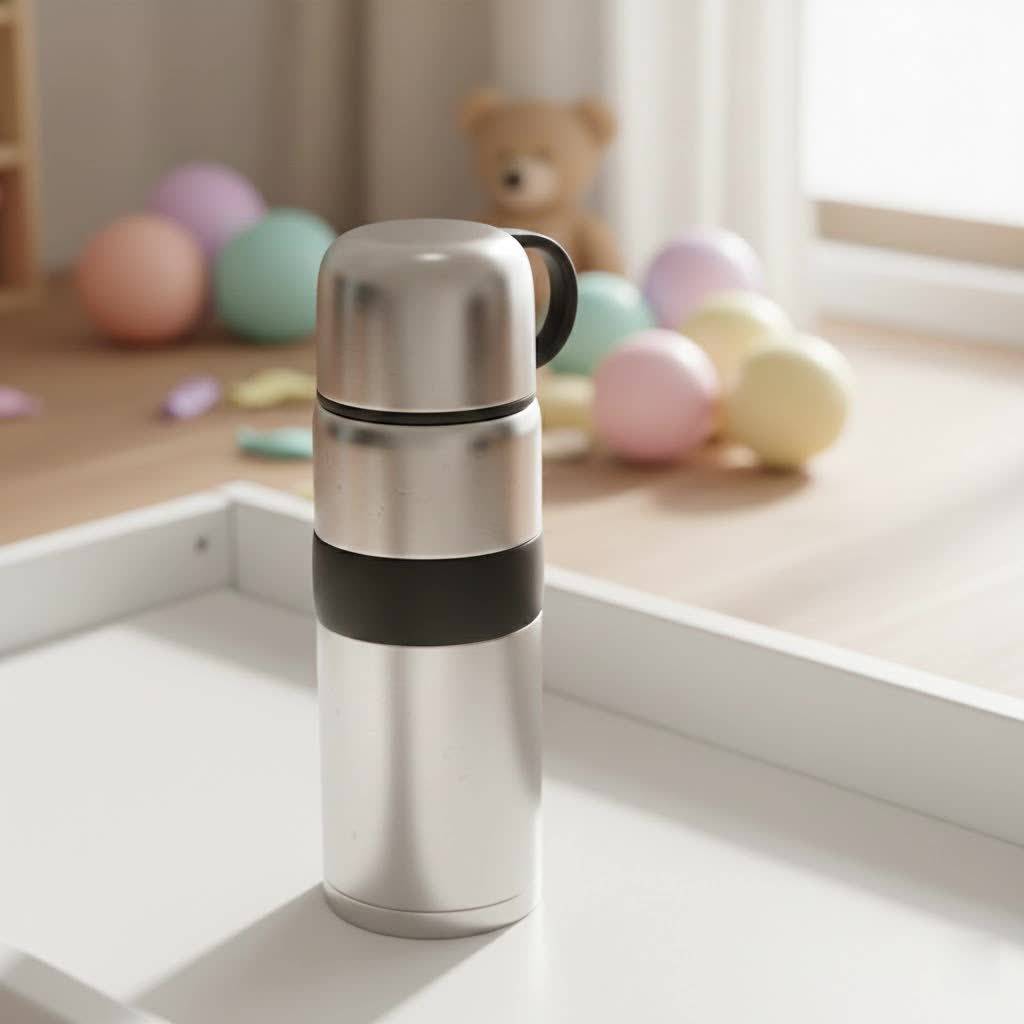
Imagine starting your day with piping hot coffee on your commute, enjoying a warm, hearty soup during a chilly outdoor adventure, or having ice-cold water readily available on a scorching afternoon. The secret to maintaining your beverage’s ideal temperature for hours lies in one essential item: the thermos bottle. More than just a container, a quality thermos is a gateway to convenience, health, and sustainability in your daily life. This comprehensive guide will examine what makes a great thermos, explore the various types available, provide a detailed selection roadmap, and share expert tips for maximizing its performance and longevity, ensuring you choose the perfect companion for your lifestyle.
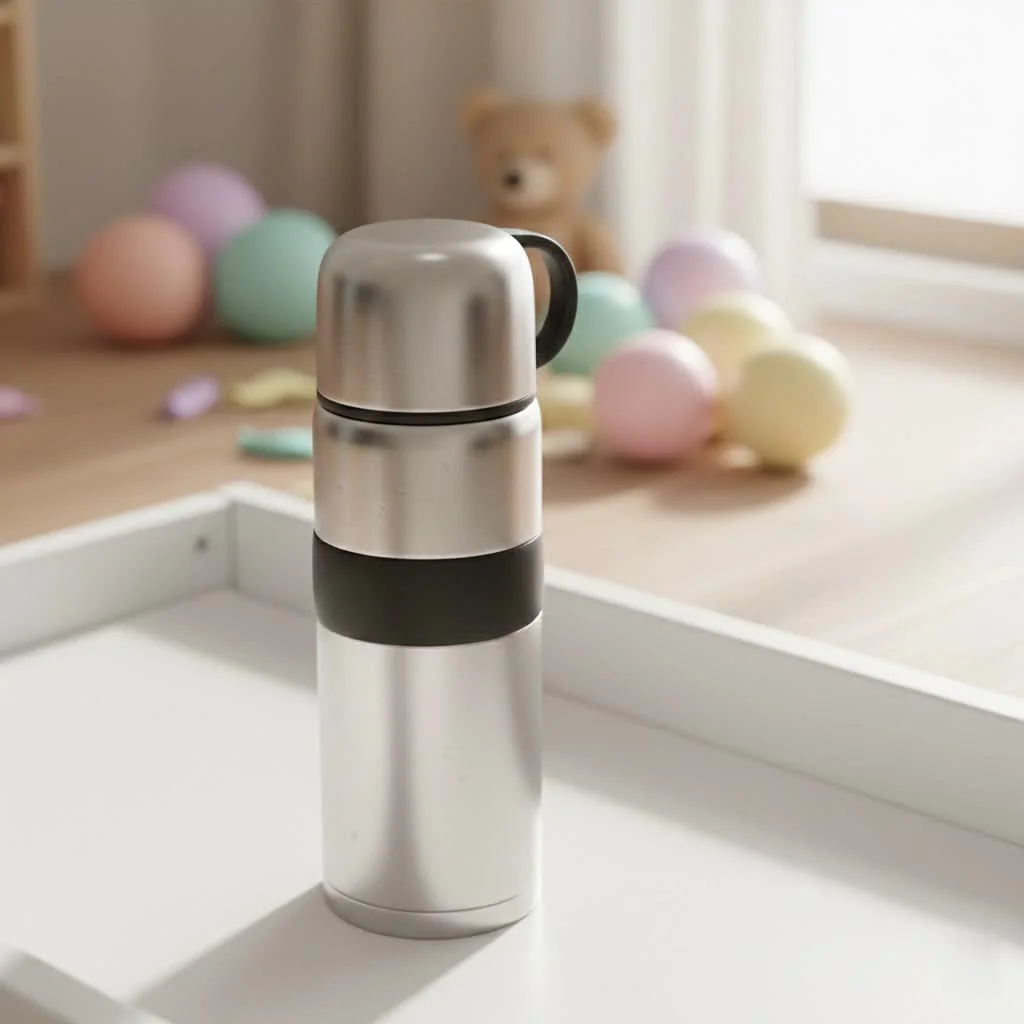
What is a Thermos Bottle? Why Do You Need One?
A thermos bottle, often interchangeably referred to as an insulated flask or vacuum flask, is a marvel of simple yet effective engineering designed to keep liquids hot or cold for extended periods. Its core functionality hinges on a double-wall construction, where an inner container is separated from an outer shell by a vacuum. This vacuum acts as a powerful insulator, drastically minimizing heat transfer through conduction and convection. The reflective surfaces of the inner walls help to reduce heat transfer by radiation.
The benefits of incorporating a thermos bottle into your routine are numerous. Beyond the immediate satisfaction of perfectly tempered drinks, it promotes health by allowing you to carry homemade beverages, avoiding sugary or less healthy alternatives. It’s a significant cost-saver, reducing reliance on single-use cups and bottles from coffee shops. Opting for a reusable thermos is a powerful step towards environmental responsibility, diminishing plastic waste and its ecological footprint.
Types of Thermos Bottles: Exploring Your Options
The market offers a diverse range of thermos bottles, each designed with specific materials, capacities, and purposes in mind. Understanding these variations is key to making an informed choice.
-
By Material:
- Stainless Steel: The most prevalent and highly recommended material for thermos bottles is 18/8 food-grade stainless steel. It’s renowned for its exceptional durability, resistance to rust, and ability to maintain the purity of your beverage’s taste without imparting metallic flavors. Stainless steel is also incredibly safe, free from harmful chemicals often found in some plastics. While typically heavier than plastic alternatives, modern designs are increasingly lightweight.
- Plastic: While full plastic thermoses are less common due to inferior insulation, plastic is frequently used for lids, stoppers, and external components. When choosing a thermos with plastic parts, always ensure they are BPA-free to guarantee safety and prevent chemical leaching into your drinks.
- Glass: Historically, glass was used for the inner lining of vacuum flasks. However, due to its fragility and susceptibility to breakage, it has largely been superseded by more robust stainless steel in modern, high-performance thermos bottles.
-
By Capacity:
- Mini (Under 500ml / 16 oz): These compact thermoses are ideal for individual servings and minimalists. Perfect for a single cup of coffee, a small portion of soup, or a child’s drink, they offer maximum portability and fit easily into small bags or lunchboxes.
- Medium (500ml – 1 Liter): A versatile choice for everyday use, this size accommodates several servings and is popular for office workers, students, or short outings. It strikes a good balance between capacity and manageable weight.
- Large (Over 1 Liter): Designed for sharing, extended trips, or those with significant hydration needs, large thermoses excel at retaining temperature for longer durations due to their greater volume-to-surface area ratio. They are often heavier and bulkier but indispensable for group adventures or all-day hydration.
-
By Purpose:
- Office & Commute: These thermoses often feature sleek designs, secure leak-proof lids, and sizes that are easy to carry in a briefcase or backpack. While some smaller models might fit car cup holders, larger, traditional thermoses typically do not.
- Kids: Thermoses for children prioritize safety, ease of handling, and durability. They often come with vibrant designs, easy-to-open caps, and spill-proof features, ensuring drinks stay at a safe temperature for school or playtime.
- Sports & Outdoors: Built to withstand rugged conditions, these thermoses boast superior durability, often featuring reinforced stainless steel, protective silicone bases, and robust leak-proof closures. They are designed to maintain temperature for many hours, making them perfect for hiking, camping, or any demanding outdoor activity.
- Food Jars: While similar in insulation technology, food jars have wider mouths and shorter, sturdier designs to accommodate solid foods like soups, stews, or even ice cream, keeping them hot or cold until mealtime.
Comparison Table: Thermos Bottle Features at a Glance
|
Our Picks for the Best Thermos Bottle in 2026
As an Amazon Associate I earn from qualifying purchases.
|
||
| Num | Product | Action |
|---|---|---|
| 1 | THERMOS ICON SERIES Stainless Steel Water Bottle with Spout - 24 Ounce, Glacier - Vacuum Insulated Water Bottle with Lid |

|
| 2 | THERMOS Stainless King Vacuum-Insulated Compact Bottle, 16 Ounce, Midnight Blue |
|
| 3 | THERMOS ICON SERIES, Stainless Steel Water Bottle with Spout - 24 Ounce, Melon - Vacuum Insulated Water Bottle with Lid |
|
| 4 | THERMOS ICON SERIES, Stainless Steel Water Bottle with Spout - 24 Ounce, Plum - Vacuum Insulated Water Bottle with Lid |
|
| 5 | Insulated Thermo Water Bottle with Handle 20oz Stainless Steel Water Bottle Metal Water Flask Water Bottle for Hot and Cold Drink for Hiking, Workout, Gym, Travel (Green, 600ml) |
|
| 6 | THERMOS ICON SERIES Stainless Steel Water Bottle with Spout - 24 Ounce, Saddle - Vacuum Insulated Water Bottle with Lid |
|
| 7 | THERMOS Stainless King Vacuum-Insulated Compact Bottle, 16 Ounce, Rustic Red |
|
| 8 | THERMOS ICON SERIES Stainless Steel Water Bottle with Spout - 24 Ounce, Granite - Vacuum Insulated Water Bottle with Lid |
|
| 9 | THERMOS Stainless King Vacuum-Insulated Compact Bottle, 16 Ounce, Matte Steel |
|
| 10 | THERMOS ICON SERIES, Stainless Steel Water Bottle with Spout - 24 Ounce, Matte Stainless Steel - Vacuum Insulated Water Bottle with Lid |
|
| Feature | Stainless Steel Thermos | Insulated Water Bottle (often stainless steel) | Traditional Large Thermos |
|---|---|---|---|
| Primary Material | 18/8 Food-Grade SS | 18/8 Food-Grade SS | 18/8 Food-Grade SS |
| Capacity Range | 350ml – 1L | 500ml – 1.5L | 1L – 2.5L+ |
| Heat/Cold Retention | Good (4-8 hours hot) | Good (6-12 hours cold, less for hot) | Excellent (8-24+ hours hot/cold) |
| Durability | High | High | Very High (often rugged) |
| Common Lid Types | Screw-on, flip-top | Straw, chug, wide-mouth | Pour-through, integrated cup |
| Best Use Case | Everyday, office, short trips | Hydration, gym, daily cold drinks | Long trips, sharing, extreme conditions |
| Portability | High | High | Moderate (can be bulky) |
| Cup Holder Friendly | Sometimes | Often | Rarely |
How to Choose the Best Thermos Bottle for Your Needs
Selecting the ideal thermos bottle requires careful consideration of your specific requirements. With so many options, a structured approach will help you pinpoint the perfect match.
- Define Your Use Case: Begin by clarifying how you intend to use your thermos. Will it be for your daily coffee, a family picnic, a long-distance hike, or a child’s lunch? This initial step will narrow down your choices significantly, guiding decisions on size, durability, and lid design.
- Consider Capacity: Match the capacity to your consumption habits. A mini thermos is suitable for one person’s single serving, while a medium size might work for a couple of servings throughout the day. If you’re hydrating a group or need provisions for an all-day adventure, a large thermos is essential.
- Evaluate Material & Durability: For longevity and safety, prioritize bottles made from 18/8 food-grade stainless steel. If drops are a concern, look for features like silicone bases or reinforced construction that offer additional protection against dents and dings.
- Lid Design Matters: The lid is a crucial component affecting usability and insulation.
- Pour-through stoppers are excellent for hot beverages, allowing you to pour without fully removing the stopper, thus minimizing heat loss. Many traditional thermoses include an integrated cup as part of the lid, providing an extra layer of insulation and a convenient drinking vessel.
- Handled lids offer convenience for carrying but might provide slightly less insulation than a traditional cup-lid system.
- Straw or flip-top lids are often found on insulated water bottles and are ideal for quick sips, especially for cold drinks, but may not be as effective for long-term heat retention. Always ensure the lid is leak-proof for worry-free transport.
- Check Heat/Cold Retention Ratings: Reputable brands typically provide manufacturer ratings for how long their bottles keep liquids hot or cold. Look for performance claims over periods like 8, 12, or even 24 hours, depending on your needs.
- Brand Reputation & Reviews: Stick with well-established brands known for quality insulation, such as Zojirushi, Stanley, Thermos (the original brand), Hydro Flask, and Klean Kanteen. User reviews can offer valuable insights into real-world performance, durability, and any potential drawbacks.
- Ease of Cleaning: A thermos with a wide mouth is significantly easier to fill, add ice cubes to, and clean thoroughly. While some thermoses are labeled dishwasher-safe, handwashing with a bottle brush is often recommended, especially for narrow designs, to ensure every crevice is free from residue and odors.
Maximizing Performance: Tips for Using and Caring for Your Thermos Bottle
To ensure your thermos bottle performs at its peak and enjoys a long lifespan, proper usage and maintenance are essential.
- Pre-warming/Pre-chilling: For optimal temperature retention, always condition your thermos. Before adding hot liquids, fill it with boiling water and let it stand for five minutes, then empty it. For cold drinks, fill it with ice water for a few minutes before use. This pre-treatment significantly minimizes initial heat or cold loss.
- Fill to Capacity: A thermos performs best when completely full. Air pockets allow for more heat transfer, so filling your bottle to its maximum capacity helps maintain the desired temperature for longer.
- Thorough Cleaning: After each use, especially with coffee or soup, clean your thermos thoroughly with hot, soapy water and a bottle brush. This prevents the buildup of residue, odors, and bacteria. Pay special attention to the lid and stopper mechanisms, as these areas can trap particles. Avoid abrasive cleaners or scouring pads that could damage the interior or exterior finish.
- Air Dry and Store: After washing, allow all parts of your thermos to air dry completely before reassembling. Store the thermos with the lid slightly ajar or completely off to prevent moisture buildup and the development of stale odors.
- Safety Precautions: Avoid putting your thermos in the microwave or freezer, as this can damage the vacuum seal and compromise its insulating properties. Also, while many modern thermoses can handle carbonated beverages, always check manufacturer guidelines, as pressure buildup can sometimes cause issues.
Conclusion
Choosing the best thermos bottle is an investment in your daily comfort, health, and environmental consciousness. By understanding the core principles of insulation, exploring the diverse range of materials and capacities, and carefully considering your specific needs and usage patterns, you can confidently select a thermos that perfectly complements your lifestyle. Whether it’s the robust Stanley for outdoor adventures, the sleek Zojirushi for your daily commute, or a versatile Hydro Flask for everyday hydration, the right thermos is waiting to keep your favorite beverages just the way you like them. Embrace the convenience and sustainability that a quality thermos bottle offers, making every sip a perfect one.
What will you fill your perfect thermos bottle with first?
Frequently Asked Questions
Are thermos bottles dishwasher safe?
While some thermos bottles are labeled as dishwasher-safe, handwashing is generally recommended for optimal longevity and thorough cleaning. The tall, narrow design of many thermoses can prevent dishwasher sprayers from reaching all internal surfaces effectively. Using a bottle brush ensures complete cleanliness and helps maintain the vacuum seal over time.
How do you keep a thermos hot for longer?
To maximize heat retention, always pre-warm your thermos by filling it with boiling water for about five minutes before emptying and adding your hot beverage. Fill the thermos as completely as possible, as a full bottle has less air space for heat to escape, helping to maintain temperature for extended periods.
What’s the difference between a thermos and a travel mug?
A traditional thermos is typically larger (often 1 liter or more), features a robust vacuum insulation, and usually has a screw-on, leak-proof stopper, often with an integrated cup. It’s designed for sharing or carrying multiple servings and excels at long-term temperature retention. A travel mug, conversely, is generally smaller (single-serving size), designed to fit car cup holders, and has a lid with a sipping port for on-the-go consumption, usually offering shorter-term temperature retention.
Can I put carbonated drinks in a thermos?
It’s generally not recommended to put carbonated drinks in a thermos unless explicitly stated by the manufacturer. The pressure buildup from carbonation can potentially damage the seal of the thermos or cause the lid to unexpectedly pop open, leading to spills or injury. Always check your thermos’s specific guidelines.
What is BPA-free plastic?
BPA-free plastic refers to plastics that do not contain Bisphenol A, a chemical historically used in some plastics and resins. BPA has been linked to potential health concerns, so choosing products with BPA-free plastic components, especially those that come into contact with food or drink, ensures a safer product for consumers.
Get our weekly buyer guide
Practical specs, not advice. Unsubscribe anytime.

This guide was super helpful in understanding what makes a great thermos. I finally invested in a good quality one after reading about the benefits for health and sustainability. It’s amazing how long it keeps my water ice-cold, even when I leave it in a hot car. Definitely worth the investment for anyone serious about staying hydrated.
I used to hate how my coffee would get cold halfway through my morning commute, but this guide really helped me pick out a great thermos. I went with one of the double-walled stainless steel options mentioned, and it keeps my coffee piping hot for hours. It’s been a game-changer for my daily routine, and I even use it for tea on the weekends.
I was looking for something to keep my water cold during my hikes, and the tips here for maximizing performance were really useful. Pre-chilling the bottle with ice water before adding my drink makes a huge difference. My only minor complaint is that the lid can be a little tricky to clean thoroughly, but overall, it’s a solid purchase.
I appreciated the detailed selection roadmap, especially the part about different types of insulation. I ended up getting a glass-lined thermos for my soup, hoping to avoid any metallic taste. While it does keep my soup warm, I’ve found it’s a bit heavier than I expected, which makes it less ideal for carrying around all day. It’s good for home use though.