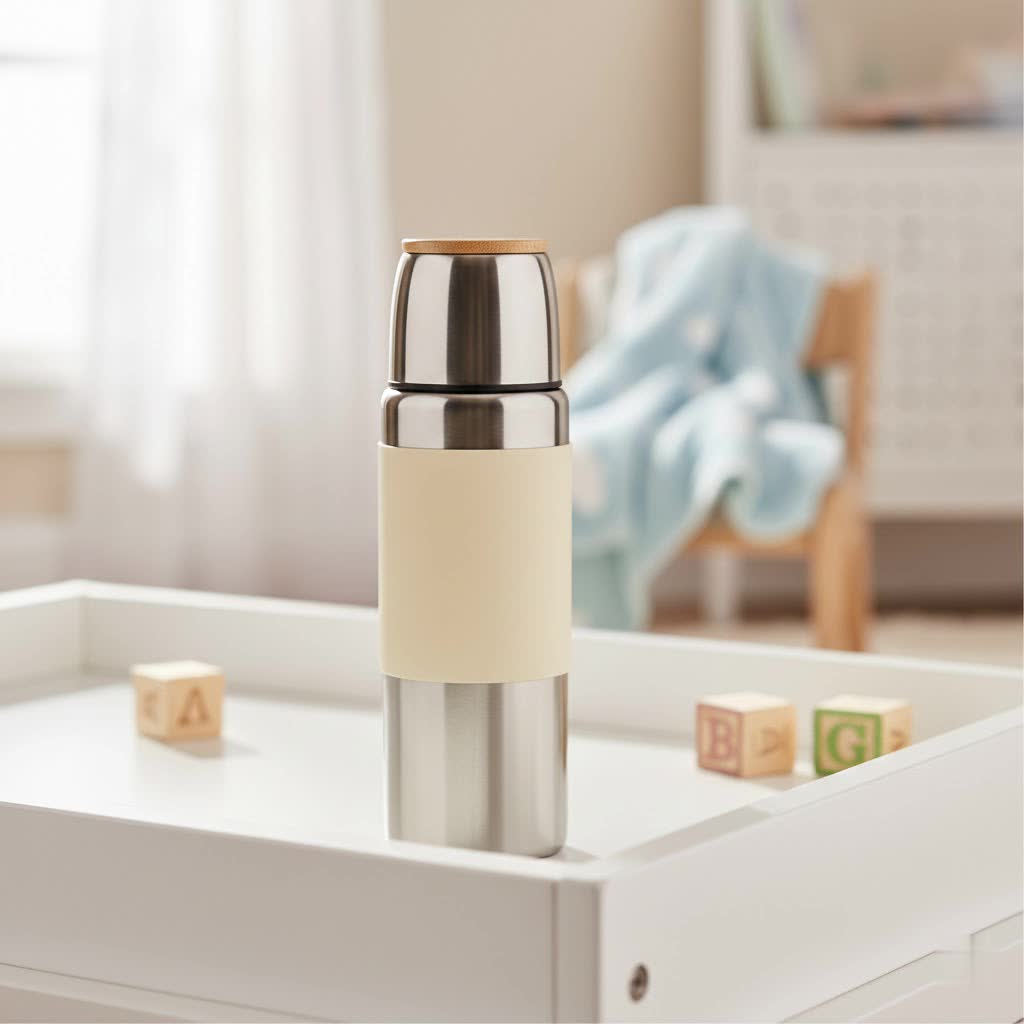
Keeping your drinks perfectly chilled throughout the day, whether you’re at the office, hitting the gym, or exploring the great outdoors, is a convenience few would pass up. A reliable cold thermos bottle isn’t just a gadget; it’s an essential companion for maintaining hydration, supporting your health, and even making a positive environmental impact. With countless designs and features on the market, choosing the right one can feel daunting. This comprehensive guide will equip you with all the knowledge to select and care for the ideal cold thermos bottle that seamlessly fits your lifestyle.
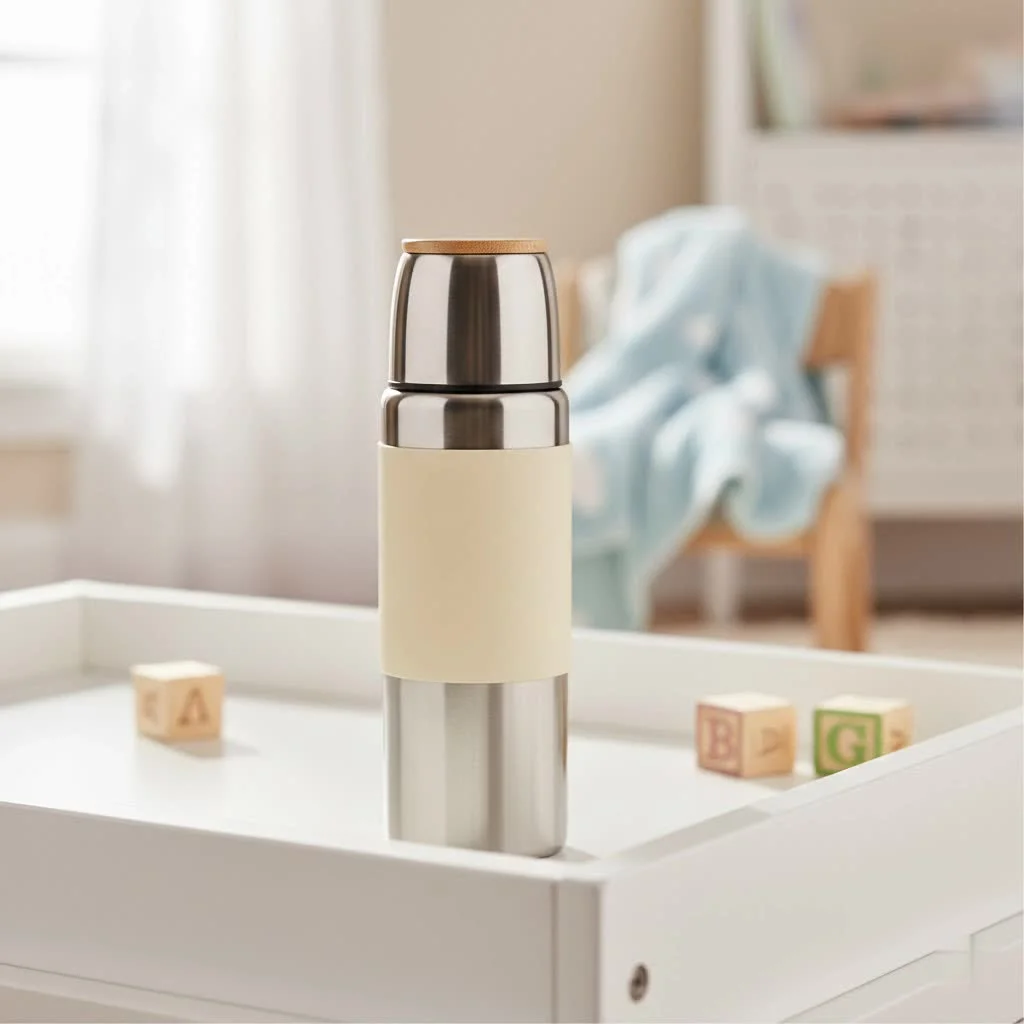
What is a Thermos Bottle and Why Do You Need One for Cold Drinks?
A thermos bottle, also known as a vacuum flask or insulated bottle, is an ingeniously designed container engineered to slow down the rate at which its contents change temperature. For cold drinks, this means keeping your water, juice, or iced coffee refreshingly cool for hours on end, often defying external temperatures. Its core principle relies on a double-walled construction with a vacuum-sealed space between the inner and outer layers, drastically reducing heat transfer by conduction and convection. Many also feature reflective interior surfaces to minimize radiation, ensuring your cold beverage stays that way.
The benefits of owning a quality cold thermos bottle are numerous. Beyond simply enjoying frosty sips whenever you desire, these bottles promote consistent hydration, which is vital for overall health. They also offer a sustainable alternative to single-use plastic bottles, reducing waste and your carbon footprint. Furthermore, investing in a durable, reusable bottle can save you money in the long run by eliminating the need to frequently purchase bottled drinks.
Popular Types of Thermos Bottles for Cold Beverages
The world of insulated drinkware offers a diverse range of options, primarily distinguished by their construction materials, capacity, and intended use. Understanding these classifications can help you pinpoint the perfect cold thermos bottle for your specific needs.
By Material
The material of your cold thermos bottle significantly impacts its performance, durability, and safety.
- Stainless Steel Thermos Bottles: These are by far the most popular and recommended choice for cold retention. Stainless steel offers exceptional durability, resistance to corrosion, and is naturally free from harmful chemicals like BPA. Its double-wall vacuum insulation provides superior temperature control, often keeping drinks cold for 24 hours or more. While generally heavier than plastic alternatives, their longevity and robust performance make them an excellent investment.
- Plastic Thermos Bottles: Some insulated bottles use plastic for both inner and outer layers, often with foam or PU insulation. These are typically lighter and more affordable, but their cold retention capabilities are usually limited, often only keeping drinks cool for about 4 hours. When choosing plastic, it’s crucial to ensure it’s BPA-free for health safety. These might be suitable for short outings or for children where weight is a primary concern.
- Glass-lined Thermos Bottles: While less common for everyday cold drinks due to their fragility, some traditional vacuum flasks feature a glass inner lining. Glass offers excellent insulation and doesn’t retain odors or flavors, but it is highly susceptible to breakage, making these bottles less ideal for active lifestyles or environments where impacts are likely.
By Capacity
|
Our Picks for the Best Thermos Bottle in 2026
As an Amazon Associate I earn from qualifying purchases.
|
||
| Num | Product | Action |
|---|---|---|
| 1 | THERMOS ICON SERIES Stainless Steel Water Bottle with Spout - 24 Ounce, Glacier - Vacuum Insulated Water Bottle with Lid |

|
| 2 | THERMOS Stainless King Vacuum-Insulated Compact Bottle, 16 Ounce, Rustic Red |
|
| 3 | THERMOS Stainless King Vacuum-Insulated Compact Bottle, 16 Ounce, Midnight Blue |
|
| 4 | THERMOS Stainless King Vacuum-Insulated Compact Bottle, 16 Ounce, Matte Steel |
|
| 5 | THERMOS ICON SERIES Stainless Steel Water Bottle with Spout - 24 Ounce, Saddle - Vacuum Insulated Water Bottle with Lid |
|
| 6 | THERMOS ICON SERIES, Stainless Steel Water Bottle with Spout - 24 Ounce, Melon - Vacuum Insulated Water Bottle with Lid |
|
| 7 | THERMOS ICON SERIES, Stainless Steel Water Bottle with Spout - 24 Ounce, Matte Stainless Steel - Vacuum Insulated Water Bottle with Lid |
|
| 8 | Insulated Thermo Water Bottle with Handle 20oz Stainless Steel Water Bottle Metal Water Flask Water Bottle for Hot and Cold Drink for Hiking, Workout, Gym, Travel (Green, 600ml) |
|
| 9 | THERMOS ICON SERIES Stainless Steel Water Bottle with Spout - 24 Ounce, Granite - Vacuum Insulated Water Bottle with Lid |
|
| 10 | THERMOS ICON SERIES, Stainless Steel Water Bottle with Spout - 24 Ounce, Plum - Vacuum Insulated Water Bottle with Lid |
|
Thermos bottles come in various sizes, catering to different hydration needs and situations.
- Mini (Under 500ml): Perfect for small servings, such as a child’s juice, a commuter’s iced coffee, or quick errands. Their compact size makes them incredibly portable and easy to slip into small bags or cup holders.
- Medium (500ml – 1 Liter): This is the most versatile category, suitable for daily office use, short hikes, or maintaining hydration during workouts. It strikes a good balance between portability and sufficient volume for personal use throughout the day.
- Large (Over 1 Liter): Designed for serious hydration, sharing, or extended adventures. These are ideal for long road trips, camping, team sports, or for those who need to carry a significant amount of cold liquid without frequent refills.
By Usage Purpose
Manufacturers often tailor cold thermos bottles with specific users in mind, optimizing their design and features.
- For Office Workers & Commuters: These bottles often feature sleek designs, a comfortable grip, and leak-proof lids for hassle-free transport in briefcases or backpacks. Many include easy-sip spouts or integrated cups.
- For Children: Safety and ease of use are paramount. Child-friendly bottles typically have durable, impact-resistant exteriors, easy-to-open lids, and often playful designs. BPA-free materials are a must.
- For Sports & Outdoors Enthusiasts: Durability, robust construction, and superior leak-proof sealing are key. Features like integrated handles, carabiner clips, and specialized sports caps for quick hydration without spillage are common. Some larger models are also designed to carry chilled food items.
Comparing Cold Thermos Bottles: A Quick Reference
Choosing the right cold thermos bottle can be simplified by looking at key attributes. The table below offers a general comparison to help you weigh your options.
| Feature | Stainless Steel Vacuum Insulated | Plastic (Foam/PU Insulated) | Glass-Lined Vacuum Insulated |
|---|---|---|---|
| Material | Stainless Steel (Inner & Outer) | Plastic (Inner & Outer) | Glass (Inner), Metal/Plastic (Outer) |
| Cold Retention | Excellent (12-24+ hours) | Fair (2-4 hours) | Excellent (12-24+ hours) |
| Durability | Very High | Low to Medium | Low (fragile inner) |
| Safety | High (Food-grade, BPA-free) | Varies (ensure BPA-free) | High (Non-reactive glass) |
| Weight | Medium to Heavy | Light | Medium (can be heavy) |
| Price Range | Medium to High | Low to Medium | Medium to High |
| Best For | All-around, active use, long-term cold retention | Light use, budget-conscious, children (lighter) | Home use, delicate beverages, no flavor transfer |
Brands like Zojirushi and Stanley often excel in long-term cold retention and durability. S’well and Hydro Flask are popular for their stylish designs and good performance, while Klean Kanteen is known for its durable, sustainable stainless steel options. YETI is prized for its ruggedness and superior insulation.
Your Comprehensive Guide to Choosing the Best Cold Thermos Bottle
Navigating the market for the perfect cold thermos bottle requires a thoughtful approach, aligning product features with your personal needs. Consider these factors before making your purchase.
1. Identify Your Needs
Start by clearly defining how and where you’ll use your bottle.
- Purpose: Are you using it for daily office hydration, rigorous outdoor activities, school lunches for kids, or travel? A compact, sleek design might suit the office, while a rugged, large-capacity bottle with a sturdy handle is better for hiking.
- Capacity: How much liquid do you typically consume or need to carry? Choose a size that provides sufficient hydration without being excessively bulky or requiring constant refills.
- Material Preference: While stainless steel offers the best all-around performance and durability for cold drinks, consider if a lighter, less expensive plastic option might suffice for very short periods, ensuring it is always BPA-free.
2. Prioritize Insulation Performance
The primary function of a cold thermos bottle is to maintain temperature.
- Double-Wall Vacuum Insulation: This is the gold standard for insulation. Ensure the bottle you choose explicitly states this feature.
- Cold Retention Claims: Check the manufacturer’s specifications for how long the bottle promises to keep drinks cold. Top performers can keep ice solid for over 24 hours. Reading independent reviews can verify these claims.
3. Evaluate Design & Features
Practical features can significantly enhance your user experience.
- Lid Type: Different lids cater to various drinking styles. Options include screw-on caps, flip-top spouts, straw lids for easy sipping, or even cup-lids for sharing. Ensure the lid is easy to operate and securely seals.
- Leakproofness: A non-negotiable feature for any portable bottle. Test the seal when purchasing or read reviews regarding its leak resistance.
- Durability: For active use, look for bottles made from robust materials, especially stainless steel, that can withstand drops and impacts without compromising insulation.
- Portability: Consider the bottle’s weight, shape, and whether it includes a handle, strap, or fits in standard cup holders or bag pockets.
- Ease of Cleaning: A wide mouth opening makes it much easier to add ice cubes and thoroughly clean the interior with a bottle brush, preventing odor and bacteria buildup.
4. Consider Brand Reputation & Reviews
Reputable brands often signify a commitment to quality and customer satisfaction.
- Trusted Brands: Research brands known for producing high-quality insulated bottles. While popular choices include Zojirushi, Stanley, YETI, Hydro Flask, S’well, and Klean Kanteen, many other excellent options exist.
- User Reviews: Consult online reviews and testimonials from other users. These can provide real-world insights into a bottle’s performance, durability, and common issues.
- Warranty Policies: A good warranty indicates a manufacturer’s confidence in their product. Understand the warranty period and coverage before purchasing.
Maximize the Chill: Tips for Using and Maintaining Your Cold Thermos Bottle
To ensure your cold thermos bottle performs optimally and lasts for years, proper usage and diligent maintenance are key.
Effective Usage
These simple steps can significantly enhance your bottle’s cold retention.
- Pre-cooling the Bottle: Before filling with your beverage, pre-cool the thermos. Fill it with ice water and let it sit for 5-10 minutes. Pour out the ice water just before adding your cold drink. This lowers the internal temperature, helping your drink stay colder for longer.
- Filling Techniques: Fill your bottle with as many ice cubes as possible, then add your liquid. The more ice you have, the longer your drink will stay cold. Leaving minimal air space can also contribute to better temperature retention.
- Avoid Extreme Liquids: While thermos bottles are generally versatile, avoid storing highly acidic or alkaline beverages for extended periods, as they can potentially react with stainless steel over a very long time, though modern food-grade stainless steel is highly resistant.
Proper Cleaning & Care
Regular cleaning prevents odors, stains, and bacterial growth, extending the life of your bottle.
- Daily Cleaning Ritual: After each use, rinse your bottle with warm water and a mild dish soap. Use a bottle brush, especially for narrow-necked bottles, to ensure all internal surfaces are thoroughly cleaned.
- Tackling Stains and Odors: For stubborn stains or lingering smells, a mixture of two tablespoons of baking soda and warm water, left to soak for a few hours or overnight, can work wonders. Alternatively, a diluted white vinegar solution can also be effective. After soaking, scrub gently and rinse thoroughly. Avoid abrasive sponges or harsh chemicals that could scratch or damage the interior.
- Cleaning Lids and Seals: Don’t forget the lid and any removable seals or gaskets. These parts can harbor bacteria and odors if not cleaned properly. Remove them if possible and wash separately with soap and water, ensuring no residue is left behind.
- Dishwasher vs. Handwashing: While some stainless steel bottles are advertised as dishwasher-safe, handwashing is generally recommended. Dishwashers can sometimes degrade seals or affect external paintwork over time, potentially compromising insulation and appearance. Always check the manufacturer’s care instructions.
Smart Storage
How you store your bottle when not in use is important.
- Store Dry with Lid Off: After cleaning, ensure your thermos bottle is completely dry before storing. Store it with the lid off or slightly ajar in a cool, dry, well-ventilated area. This prevents moisture buildup, which can lead to mold growth and unpleasant odors.
- Avoid Humid Environments: Storing your bottle in damp or humid places can encourage mold and mildew, even if the bottle appears dry.
When to Replace
Even the best cold thermos bottles have a lifespan.
- Compromised Insulation: If your bottle starts “sweating” on the outside when filled with cold liquid, or your drinks no longer stay cold for their usual duration, the vacuum seal may be compromised. This is a sign it’s time for a replacement.
- Visible Damage: Cracks, significant dents, or persistent leaks are indicators that your bottle may no longer be performing optimally or safely.
Conclusion
A high-quality cold thermos bottle is more than just a container; it’s an investment in your daily hydration, environmental responsibility, and personal convenience. By understanding the science behind their insulation, recognizing the various types and materials available, and diligently following care instructions, you can make an informed choice that brings you perfectly chilled beverages whenever and wherever you desire. Whether for daily commutes, adventurous treks, or simply keeping water cool at your desk, the right insulated bottle will serve you well for years to come. So, which cold thermos bottle will join you on your next adventure?
Frequently Asked Questions
How long do cold thermos bottles typically keep drinks cold?
Most high-quality cold thermos bottles, particularly those with double-wall vacuum insulation, are designed to keep drinks cold for 12 to 24 hours. Many can even keep ice frozen for over 24 hours, depending on the initial temperature of the liquid and external conditions.
Can I put hot drinks in a bottle designed for cold, and vice-versa?
Yes, most vacuum-insulated thermos bottles are designed to keep both hot and cold liquids at their desired temperature. The insulation technology works by preventing heat transfer, whether it’s stopping cold from escaping or heat from entering. Always check the manufacturer’s specifications for optimal performance across temperatures.
Are stainless steel thermos bottles safe for daily use?
Absolutely. Food-grade stainless steel (like 18/8 or 304) is non-toxic, doesn’t leach chemicals, and doesn’t retain flavors or odors, making it a very safe and hygienic material for daily use. Ensure the product is explicitly labeled as food-grade and BPA-free.
How can I remove a stubborn smell from my thermos?
For persistent odors, a mixture of baking soda and warm water is highly effective. Add two tablespoons of baking soda to your bottle, fill with warm water, and let it sit overnight. A diluted white vinegar solution can also be used. Scrub with a bottle brush and rinse thoroughly afterward.
Is it okay to put ice cubes directly into a thermos bottle?
Yes, it is perfectly fine and often recommended to put ice cubes directly into a thermos bottle. In fact, filling the bottle with ice before adding your cold drink helps to pre-cool the interior and significantly extends how long your beverage stays chilled.
Get our weekly buyer guide
Practical specs, not advice. Unsubscribe anytime.
