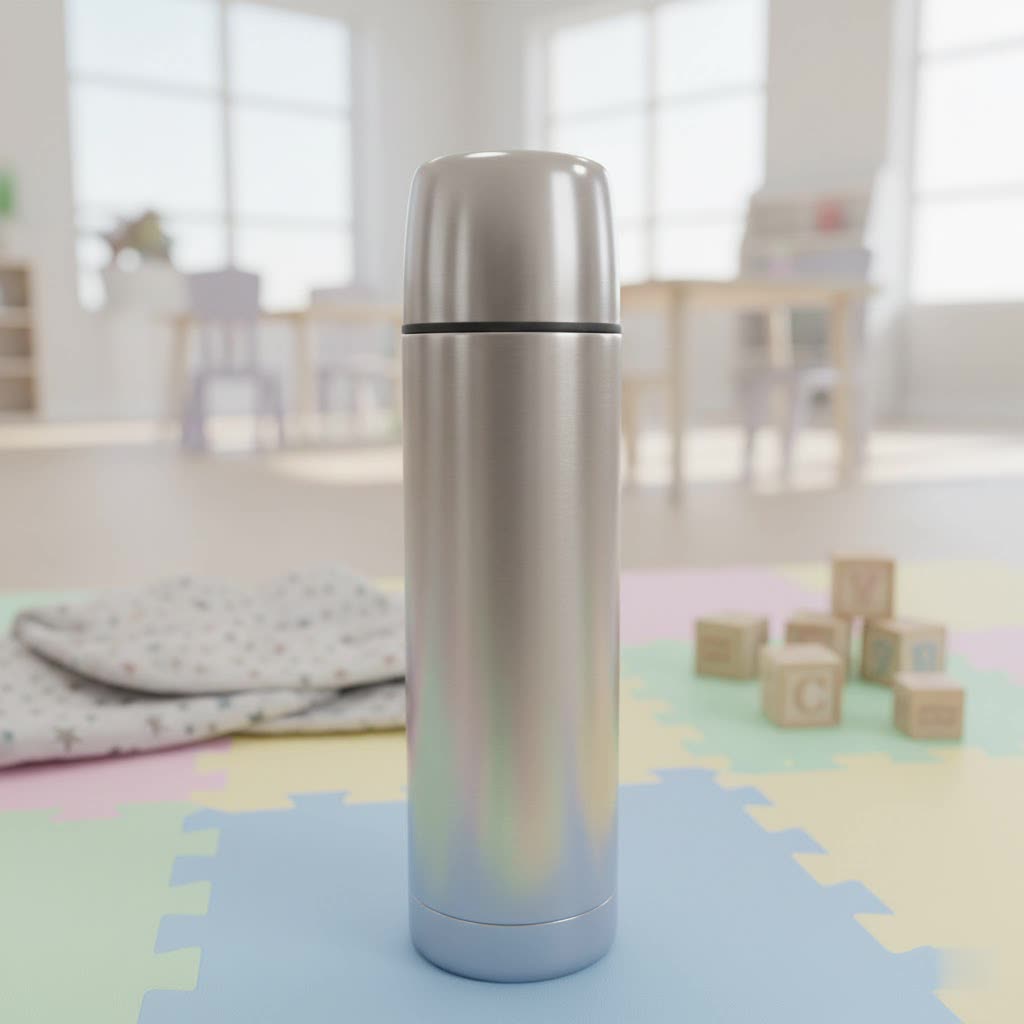
Finding the perfect thermos bottle is about more than just keeping your coffee hot or water cold. It’s about enhancing your daily routine, supporting your health, and making a sustainable choice. With over a decade of experience testing hundreds of models, from leading brands to innovative newcomers, I’ve seen it all. I understand the nuances of materials, insulation, durability, and safety, and I’m here to share the most valuable insights to help you select a thermos that perfectly fits your needs and lifestyle.
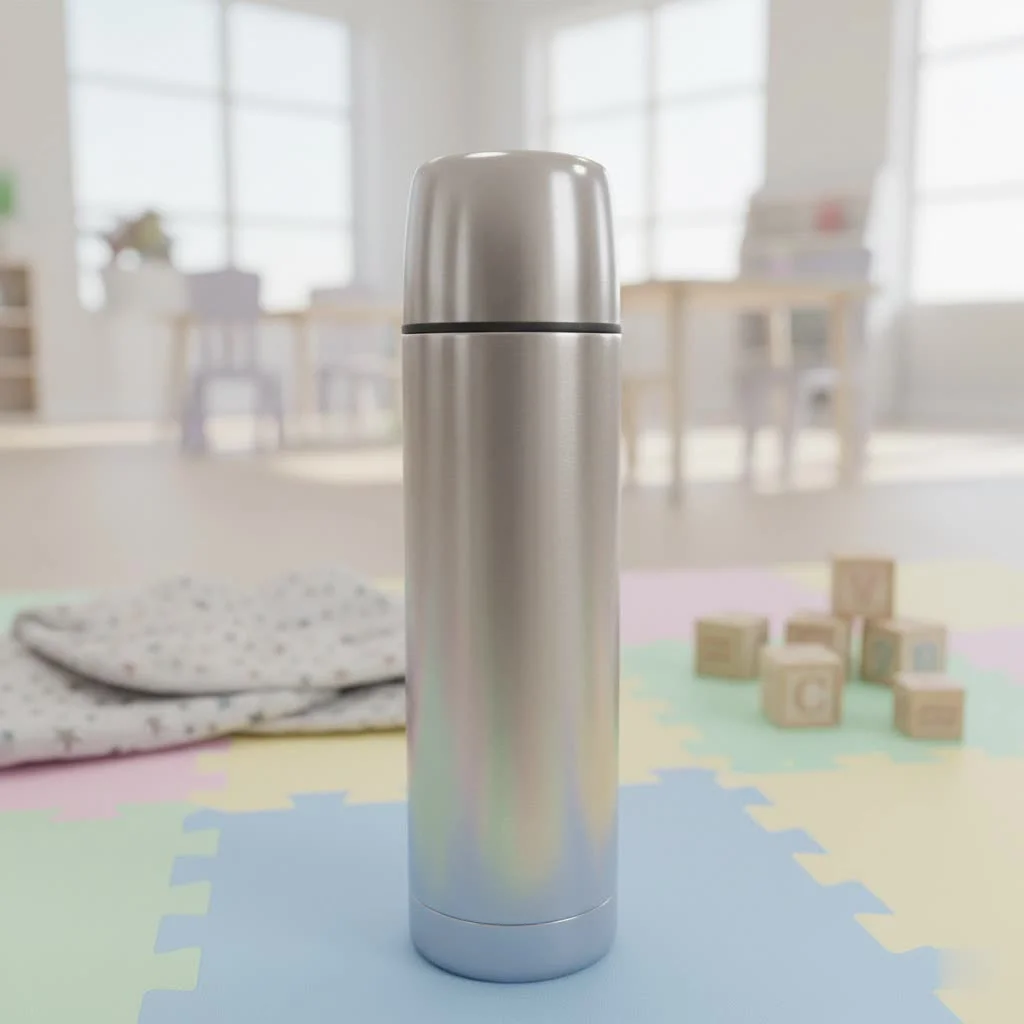
What is a Thermos Bottle and Why Do You Need One?
A thermos bottle, often referred to as a vacuum flask or insulated bottle, is a specialized container designed to maintain the temperature of its contents for extended periods. It achieves this remarkable feat by minimizing heat transfer between the inside and outside. For explore our thermos bottles reviews on this site.
The core of its effectiveness lies in its unique construction: two vessels, one nested within the other, with a vacuum-sealed space in between. This vacuum acts as a powerful insulator, drastically reducing heat loss or gain through conduction and convection. Reflective inner surfaces help to minimize heat transfer by radiation. The result? Your morning coffee stays piping hot for hours, and your icy water remains refreshingly cold throughout the day.
Beyond convenience, owning a thermos bottle offers numerous benefits. It encourages consistent hydration, supports healthier beverage choices, and can significantly cut down on single-use plastic waste, making it an eco-friendly investment.
Popular Types of Thermos Bottles
Thermos bottles come in a variety of materials, sizes, and designs, each suited for different preferences and uses. Understanding these distinctions is key to making an informed choice.
Categorized by Material:
- Stainless Steel Thermos Bottles: These are by far the most prevalent type due to their exceptional durability and corrosion resistance. Food-grade stainless steel, particularly 304 (18/8) or 316, ensures safety and prevents flavor transfer. Stainless steel models typically feature double-wall vacuum insulation, offering excellent temperature retention—often keeping drinks hot for 6-12 hours and cold for 12-24 hours or even longer. While generally heavier than plastic alternatives, their robust nature makes them a long-lasting investment.
- Glass Thermos Bottles: Valued for their purity, glass thermos bottles ensure no metallic taste or chemical leaching, preserving the true flavor of your beverage. They also provide good insulation. However, glass is inherently fragile and can break if dropped or subjected to rapid temperature changes. They are often found as the inner liner of traditional thermos flasks, protected by an outer casing.
- Plastic Thermos Bottles: Lightweight and often more affordable, plastic thermos bottles can be a convenient option. It’s crucial to ensure they are made from BPA-free plastics to avoid potential health concerns. While they offer some insulation, their temperature retention capability is generally less impressive than stainless steel, especially for hot liquids. Plastic is commonly used for the outer casing, lids, or less-insulated “thermoware” bottles.
- Aluminum Thermos Bottles: Similar to plastic, aluminum bottles are lightweight, making them easy to carry. They are also corrosion-resistant and durable. However, aluminum can react with certain liquids, so it’s essential to choose models with a BPA-free epoxy resin lining to prevent chemical leaching and maintain beverage purity. They are typically best for less strenuous activities where minimal impact is expected.
Categorized by Capacity:
- Mini (Under 500ml): These compact bottles are perfect for individual servings, quick trips, or fitting into smaller bags. Ideal for a single cup of coffee or a small refreshing drink.
- Medium (500ml – 1 Liter): The most versatile range, suitable for daily office use, school, or moderate outdoor activities. They strike a balance between portability and sufficient hydration/beverage volume for several hours.
- Large (Over 1 Liter): Designed for sharing, long journeys, camping, or those with significant hydration needs. These provide ample liquid supply but are heavier and bulkier, making them less suitable for everyday carry.
Categorized by Purpose:
- Office Thermos Bottles: Often feature sleek designs, comfortable grips, and easy-to-use lids that allow for spill-free sipping at a desk. Many include integrated cups or pour-through stoppers.
- Kids’ Thermos Bottles: Prioritize safety, with BPA-free materials, leak-proof designs, and easy-to-open mechanisms for small hands. Fun colors and cartoon characters are common.
- Sports Thermos Bottles: Built for ruggedness and portability, these bottles are typically made from durable stainless steel, feature secure, often locking, leak-proof lids, and may include carrying handles or carabiner clips.
Comparative Table of Thermos Bottle Materials
|
Our Picks for the Best Thermos Bottle in 2026
As an Amazon Associate I earn from qualifying purchases.
|
||
| Num | Product | Action |
|---|---|---|
| 1 | THERMOS Stainless King Vacuum-Insulated Compact Bottle, 16 Ounce, Rustic Red |

|
| 2 | THERMOS ICON SERIES Stainless Steel Water Bottle with Spout - 24 Ounce, Glacier - Vacuum Insulated Water Bottle with Lid |
|
| 3 | THERMOS ICON SERIES Stainless Steel Water Bottle with Spout - 24 Ounce, Granite - Vacuum Insulated Water Bottle with Lid |
|
| 4 | THERMOS ICON SERIES, Stainless Steel Water Bottle with Spout - 24 Ounce, Matte Stainless Steel - Vacuum Insulated Water Bottle with Lid |
|
| 5 | THERMOS Stainless King Vacuum-Insulated Compact Bottle, 16 Ounce, Midnight Blue |
|
| 6 | THERMOS ICON SERIES, Stainless Steel Water Bottle with Spout - 24 Ounce, Plum - Vacuum Insulated Water Bottle with Lid |
|
| 7 | THERMOS Stainless King Vacuum-Insulated Compact Bottle, 16 Ounce, Matte Steel |
|
| 8 | THERMOS ICON SERIES, Stainless Steel Water Bottle with Spout - 24 Ounce, Melon - Vacuum Insulated Water Bottle with Lid |
|
| 9 | THERMOS ICON SERIES Stainless Steel Water Bottle with Spout - 24 Ounce, Saddle - Vacuum Insulated Water Bottle with Lid |
|
| 10 | Insulated Thermo Water Bottle with Handle 20oz Stainless Steel Water Bottle Metal Water Flask Water Bottle for Hot and Cold Drink for Hiking, Workout, Gym, Travel (Green, 600ml) |
|
| Feature | Stainless Steel | Glass | Plastic | Aluminum |
|---|---|---|---|---|
| Insulation | Excellent (Hot: 6-12+ hrs, Cold: 12-24+ hrs) | Good (especially double-walled) | Moderate (mainly for cold, short duration) | Moderate (often requires lining) |
| Durability | Very High (impact & corrosion resistant) | Low (fragile, prone to breakage) | Moderate (can crack/wear over time) | High (impact resistant, but can dent) |
| Taste Purity | Good (food-grade prevents taste transfer) | Excellent (no taste transfer) | Can sometimes affect taste | Can affect taste if not properly lined |
| Weight | Medium to Heavy | Heavy | Light | Light |
| Safety | Very Good (food-grade, no leaching) | Very Good (inert material) | Good (if BPA-free) | Good (if BPA-free lined) |
| Ease of Cleaning | Easy | Easy (less prone to odors/stains) | Moderate (can absorb odors) | Moderate (linings can be tricky) |
| Price Range | Medium to High | Medium (for insulated models) | Low | Low to Medium |
| Best For | Everyday, outdoor, heavy use, hot/cold | Taste purists, home/office (less travel) | Casual, short-term cold drinks, kids | Light outdoor activity, budget-conscious |
Your Comprehensive Guide to Choosing the Perfect Thermos Bottle
Selecting the ideal thermos bottle involves a thoughtful assessment of your personal needs and priorities. Here’s a detailed approach to guide your decision:
1. Determine Your Usage Needs
Start by clearly defining how you intend to use your thermos.
- Purpose: Is it for daily commuting, school, office, sports, hiking, travel, or just keeping beverages at home? For example, a sports enthusiast might prioritize ruggedness and a large capacity, while an office worker might prefer a sleek design and a secure lid for spill prevention.
- Capacity: How much liquid do you need to carry? A small 350ml bottle might be sufficient for a short coffee break, while a 1-liter bottle is better for all-day hydration or sharing.
- Temperature & Duration: Do you primarily need to keep drinks hot, cold, or both? How long do you need the temperature to be maintained? Some bottles excel at keeping liquids hot for 6 hours, while others can keep ice water cold for 24 hours.
2. Material Selection
The material dictates many of the bottle’s characteristics, including durability, insulation, and safety.
- Stainless Steel (Recommended): For overall performance, durability, and safety, food-grade stainless steel (like 304 or 316) is often the best choice. It’s resistant to rust, impacts, and is easy to clean.
- Glass: If taste purity is paramount and you are careful with handling, a glass-lined thermos can be an excellent option. Be aware of its fragility.
- Plastic: Choose BPA-free plastic for lightweight options, often suitable for children or light use. Verify insulation capabilities, as they vary widely.
- Aluminum: A lighter alternative to stainless steel, but ensure it has a safe, non-reactive lining.
3. Evaluate Insulation Performance
The primary function of a thermos is temperature retention.
- Double-Wall Vacuum Insulation: This is the gold standard for effective insulation. The vacuum layer is critical in preventing heat transfer.
- Copper Coating: Some high-end stainless steel models include a copper layer in their vacuum insulation, which further enhances thermal performance by reducing radiant heat transfer.
- Check Reviews and Ratings: Real-world performance can differ from advertised claims. Always consult user reviews and independent tests to gauge how well a particular model performs in maintaining hot and cold temperatures over time.
4. Lid Design and Features
The lid is critical for both temperature retention and preventing leaks.
- Leak-Proof Seal: This is non-negotiable. Look for tight-fitting, secure seals, often with silicone gaskets.
- Opening Mechanism:
- Screw-on lids are generally very secure but require two hands to open.
- Flip-top or push-button lids offer one-handed convenience, ideal for driving or quick sips. Ensure they have a locking mechanism to prevent accidental spills.
- Spout or straw lids are great for cold drinks and easy sipping, particularly for sports or kids.
- Integrated Cup: Many traditional thermoses include a lid that doubles as a cup, which is convenient for hot beverages.
- Pour-Through Stopper: Some designs allow you to pour without fully removing the stopper, minimizing heat loss.
5. Prioritize Durability and Safety
A thermos bottle is an investment, so ensure it can withstand daily use.
- Construction Quality: Inspect the bottle for a smooth finish, tight seams, and no visible imperfections. Avoid models with loose or removable bottom parts, as this can indicate poor construction and potential leaks.
- Impact Resistance: Stainless steel is generally more resilient to drops and dents than glass or cheaper plastic options.
- Food-Grade Materials: Always confirm that all materials in contact with your beverages are food-grade and free from harmful chemicals like BPA. For stainless steel, look for 18/8 or 18/10 markings.
6. Consider Portability and Ergonomics
If you’re always on the go, comfort and convenience matter.
- Weight and Size: Choose a bottle that is comfortable to carry and fits into your bag, backpack pocket, or car cup holder.
- Grip: Look for ergonomic shapes, textured finishes, or silicone sleeves that provide a secure grip and prevent slips.
- Carrying Features: Handles, loops, or integrated clips can make transportation easier, especially for larger bottles or outdoor activities.
7. Ease of Cleaning
Proper hygiene is essential for health and prolonging your thermos’s life.
- Wide Mouth: A wide opening makes it easier to fill, add ice cubes, and clean the interior with a brush.
- Disassemblable Parts: Lids and gaskets that can be easily removed for thorough cleaning prevent mold and odor buildup.
- Dishwasher Safe: While handwashing is often recommended for maximum longevity, some components or entire bottles are dishwasher safe, offering convenience.
8. Reputable Brands and User Reviews
Leverage the experience of others to make a confident choice.
- Well-Known Brands: Brands like Thermos, Stanley, Zojirushi, Hydro Flask, Klean Kanteen, and S’well have established reputations for quality and performance. While not all expensive brands perform equally, they often offer better reliability and customer support.
- User Reviews: Read customer feedback on product websites and independent review sites. Pay attention to comments regarding insulation performance, leak issues, durability, and ease of cleaning.
> “After testing countless thermos bottles, I’ve learned that the true value lies in finding one that not only performs exceptionally but also seamlessly integrates into your daily life. The best thermos is the one you actually use.” – Joey G. Admin, reviewjoeyg.com
Essential Tips for Using and Caring for Your Thermos Bottle
To maximize the performance and lifespan of your thermos bottle, follow these expert tips:
- Pre-Heat or Pre-Chill: For optimal temperature retention, always pre-fill your thermos with hot water (for hot drinks) or cold water (for cold drinks) for 5-10 minutes. Empty this water before adding your desired beverage. This primes the interior walls, reducing the initial temperature shock.
- Fill Completely: A fuller thermos has less air space, which helps maintain temperature more effectively. Try to fill your bottle as much as possible.
- Clean After Every Use: Rinse your thermos with warm water and a small amount of dish soap after each use. Use a bottle brush to reach all internal surfaces.
- Deep Cleaning for Stubborn Odors/Stains:
- Vinegar Soak: For odors or mineral buildup, fill the bottle halfway with warm water, add a teaspoon of white vinegar, and let it sit for a few hours or overnight. Rinse thoroughly.
- Baking Soda Paste: For tough stains, make a paste with baking soda and a little water, scrub the interior with a brush, then rinse.
- Caution: Do not mix vinegar and baking soda together with dish soap, as this can create excessive foam.
- the Lid and Gaskets: Disassemble the lid components and clean all parts, including silicone O-rings. These hidden areas are prone to bacteria and mold growth. Soak O-rings in a 50/50 warm water and vinegar solution overnight for deep cleaning.
- Thorough Drying is Key: After washing, always air dry your thermos completely with the lid off or ajar. This prevents moisture from getting trapped, which can lead to unpleasant odors, mold growth, and compromise the integrity of seals.
- Avoid Harsh Abrasives: Do not use metal scourers or harsh cleaning agents that can scratch the interior or exterior finish, potentially affecting performance or hygiene.
- Handle with Care: While stainless steel is durable, avoid dropping your thermos, especially if it has a glass liner, as this can damage the vacuum seal or cause breakage.
- No Microwave or Freezer: Never put a thermos bottle in the microwave or freezer, as it can damage the vacuum insulation and potentially cause rupture.
Conclusion
Choosing the right thermos bottle doesn’t have to be complicated. By understanding the different types, materials, and key features, you can confidently select a companion that meets your unique needs. Whether you prioritize ultimate temperature retention, lightweight portability, or eco-friendly materials, there’s a perfect thermos out there waiting for you. that proper usage and consistent care are vital to ensure your investment serves you well for years to come.
What’s your go-to beverage for your thermos bottle, and how has it changed your daily routine?
Frequently Asked Questions
What is the primary difference between a “thermos” and an “insulated bottle”?
Historically, “Thermos” was a brand name for vacuum flasks, which became so popular it was genericized. Today, “thermos” and “insulated bottle” are often used interchangeably to refer to any double-walled, vacuum-insulated container designed to maintain beverage temperature. The core technology, vacuum insulation, is the same.
Is stainless steel truly safe for hot beverages?
Yes, food-grade stainless steel (commonly 304 or 316) is widely considered safe for both hot and cold beverages. It’s non-reactive, doesn’t leach chemicals, and doesn’t retain flavors, making it an excellent choice for health-conscious users.
How often should I deep clean my thermos bottle?
While daily rinsing with soap and water is essential, a deep clean with vinegar or baking soda is recommended weekly or whenever you notice lingering odors or visible buildup. to clean the lid and all its components thoroughly.
Can I put carbonated drinks in a thermos bottle?
It’s generally not recommended to put carbonated drinks in a thermos bottle. The pressure buildup from carbonation can stress the seals and potentially cause leaks or even damage the bottle, especially if left for extended periods.
Why does my thermos stop keeping drinks hot/cold after a while?
If your thermos suddenly loses its insulating ability, it likely means the vacuum seal between the inner and outer walls has been compromised. This can happen due to drops, impacts, or age, allowing air to enter the vacuum space and facilitating heat transfer. Once the vacuum is lost, the insulation is significantly reduced.
Get our weekly buyer guide
Practical specs, not advice. Unsubscribe anytime.
