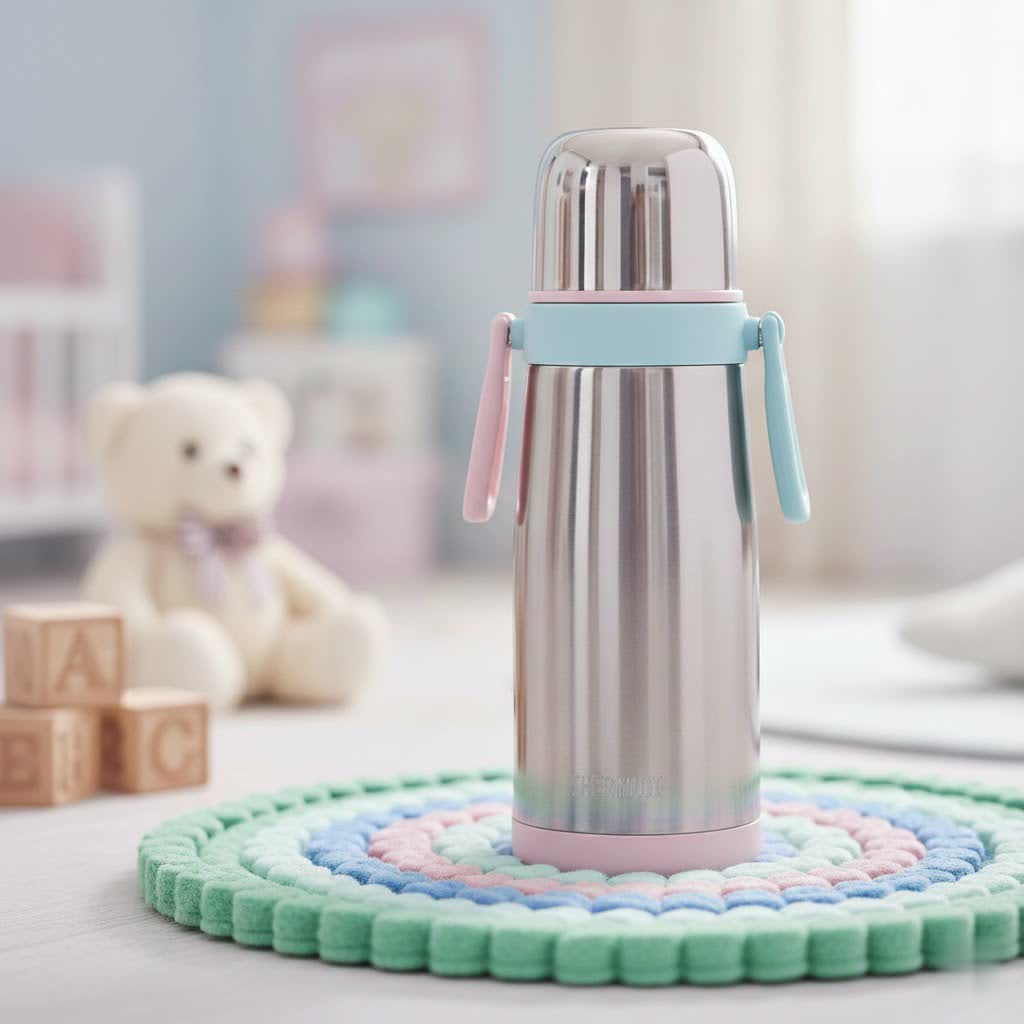
Staying hydrated is crucial for overall well-being, especially with our increasingly active lifestyles. Yet, nothing is more disappointing than reaching for a refreshing sip only to find your water has become lukewarm. This is where the thermos cold water bottle becomes an indispensable companion. Far more than just a container, these ingenious bottles are engineered to keep your beverages perfectly chilled for hours, ensuring every sip is as invigorating as the first. This comprehensive guide will navigate you through everything you need to know, from understanding how these bottles work to selecting, using, and maintaining the perfect one for your daily adventures.
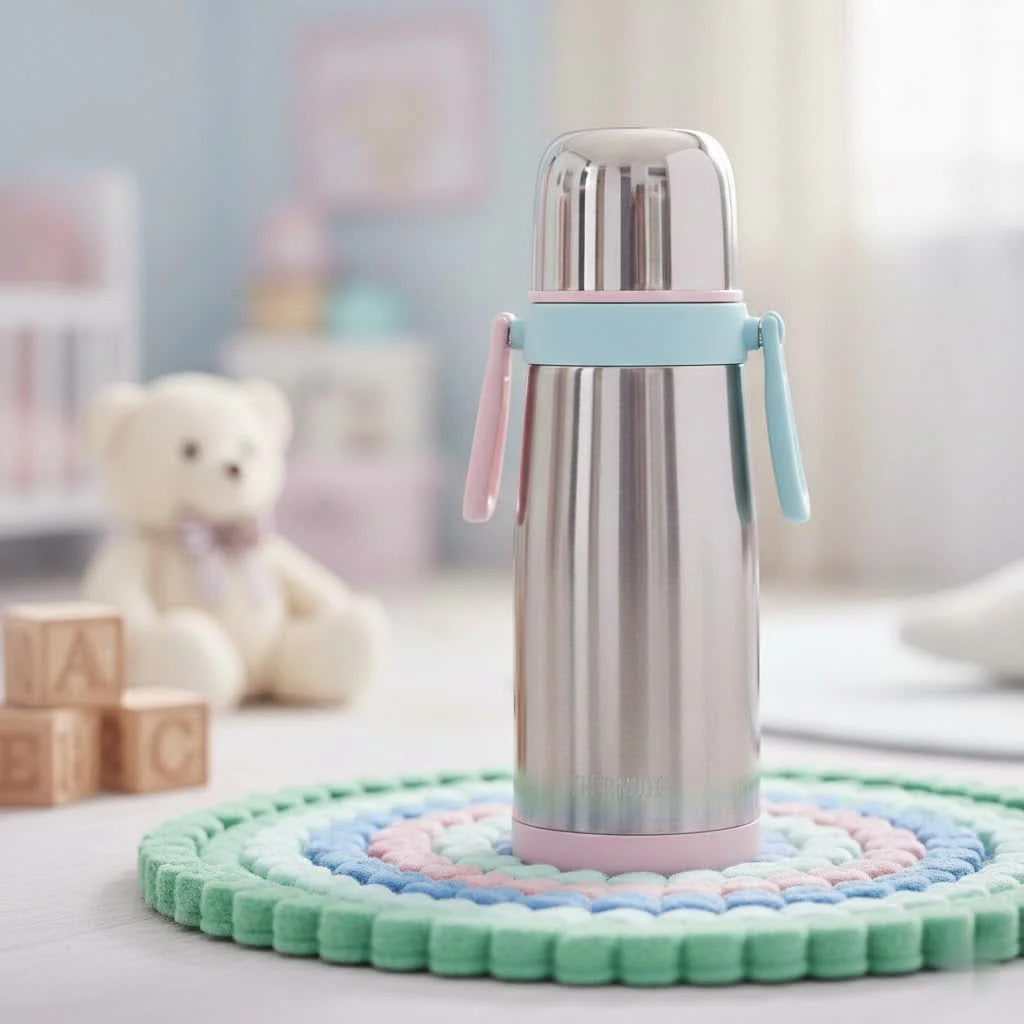
What is a Thermos Cold Water Bottle and Why Do You Need One?
A thermos cold water bottle is an insulated container specifically designed to maintain the low temperature of its contents over extended periods. Unlike regular single-walled bottles, these specialized vessels leverage advanced thermal engineering to create an environment where cold liquids can resist warming from ambient temperatures. The primary mechanism at play is double-wall vacuum insulation.
At its core, a thermos bottle typically consists of two walls, usually made of stainless steel, with a vacuum sealed in the space between them. This vacuum acts as a powerful barrier against all three forms of heat transfer:
- Conduction: Heat cannot travel through the vacuum because there are no material particles to transfer energy.
- Convection: Similarly, heat cannot be carried by circulating air within the vacuum-sealed space.
- Radiation: Often, the inner surfaces of the walls are treated with reflective coatings to bounce radiant heat away, further enhancing insulation.
Beyond the science, the practical benefits of owning a high-quality thermos cold water bottle are numerous. It ensures you have access to ice-cold water throughout your day, whether you’re at the gym, in the office, or exploring the outdoors, promoting consistent hydration. By choosing a reusable bottle, you significantly reduce your reliance on single-use plastic bottles, making a positive impact on the environment and saving money in the long run. Moreover, safe materials like food-grade stainless steel ensure no harmful chemicals leach into your drink, contributing to better health.
Exploring the Varieties: Types of Thermos Cold Water Bottles
Thermos cold water bottles come in a range of designs, primarily differentiated by their construction materials, capacity, and intended use. Understanding these distinctions helps in choosing a bottle that perfectly aligns with your needs.
By Material
The material of your thermos bottle significantly impacts its performance, durability, and safety.
- Stainless Steel Thermos Bottles: These are the most prevalent and often recommended type for cold water retention.
- Pros: Exceptional durability, highly resistant to dents and corrosion, superb insulation when vacuum-sealed, and safe as they typically do not leach chemicals or retain flavors. They are also recyclable.
- Cons: Generally heavier and more expensive than plastic alternatives. Some users might detect a subtle metallic taste, though this is rare with high-quality food-grade stainless steel.
- Plastic (BPA-Free) Thermos Bottles: While less common for high-performance cold retention, some insulated plastic bottles exist.
- Pros: Very lightweight and often more affordable. Available in a vast array of colors and designs.
- Cons: Insulation performance is typically inferior to vacuum-insulated stainless steel, often relying on foam or PU insulation that keeps drinks cold for shorter periods (e.g., around 4 hours). Less durable, prone to scratches, and can absorb odors or flavors over time. It’s crucial to ensure they are BPA-free for health safety.
- Glass Thermos Bottles: Less common as standalone insulated bottles due to fragility, glass is sometimes used as an inner lining within a protective outer shell (often stainless steel).
- Pros: Offers the purest taste, as glass does not leach chemicals or retain flavors/odors, making it ideal for those sensitive to taste nuances. Highly recyclable and environmentally friendly.
- Cons: Extremely fragile and prone to shattering upon impact, limiting their portability for active use. They are also heavier than plastic and often more expensive.
By Capacity
|
Our Picks for the Best Thermos Bottle in 2026
As an Amazon Associate I earn from qualifying purchases.
|
||
| Num | Product | Action |
|---|---|---|
| 1 | THERMOS ICON SERIES Stainless Steel Water Bottle with Spout - 24 Ounce, Glacier - Vacuum Insulated Water Bottle with Lid |

|
| 2 | THERMOS Stainless King Vacuum-Insulated Compact Bottle, 16 Ounce, Midnight Blue |
|
| 3 | THERMOS ICON SERIES, Stainless Steel Water Bottle with Spout - 24 Ounce, Matte Stainless Steel - Vacuum Insulated Water Bottle with Lid |
|
| 4 | THERMOS Stainless King Vacuum-Insulated Compact Bottle, 16 Ounce, Matte Steel |
|
| 5 | Insulated Thermo Water Bottle with Handle 20oz Stainless Steel Water Bottle Metal Water Flask Water Bottle for Hot and Cold Drink for Hiking, Workout, Gym, Travel (Green, 600ml) |
|
| 6 | THERMOS ICON SERIES Stainless Steel Water Bottle with Spout - 24 Ounce, Saddle - Vacuum Insulated Water Bottle with Lid |
|
| 7 | THERMOS ICON SERIES, Stainless Steel Water Bottle with Spout - 24 Ounce, Plum - Vacuum Insulated Water Bottle with Lid |
|
| 8 | THERMOS ICON SERIES, Stainless Steel Water Bottle with Spout - 24 Ounce, Melon - Vacuum Insulated Water Bottle with Lid |
|
| 9 | THERMOS ICON SERIES Stainless Steel Water Bottle with Spout - 24 Ounce, Granite - Vacuum Insulated Water Bottle with Lid |
|
| 10 | THERMOS Stainless King Vacuum-Insulated Compact Bottle, 16 Ounce, Rustic Red |
|
The right capacity depends on how much hydration you need and how frequently you can refill.
- Mini (Under 500ml): These compact bottles are ideal for short excursions, children’s lunches, or quick hydration needs. Their small size makes them easy to carry in a small bag or purse.
- Medium (500ml – 1 Liter): This is the most versatile category, suitable for everyday use, commuting, office work, or a moderate gym session. They strike a balance between portability and sufficient hydration.
- Large (Over 1 Liter): Designed for serious hydration needs, such as long hikes, intense sports activities, or for sharing. While heavier, they drastically reduce the need for frequent refills.
By Intended Use
Manufacturers often design bottles with specific activities in mind, optimizing features for different user requirements.
- For Office/Everyday: These bottles often feature sleek designs, a comfortable grip, and are sized to fit car cup holders or backpack pockets. They might prioritize aesthetics alongside functionality.
- For Sports/Outdoor Activities: Durability is key here, with features like robust construction, leak-proof lids, easy-to-carry handles, and sometimes protective silicone sleeves to withstand rough conditions. Chug caps or straw lids are common for quick sips on the move.
- For Children: Smaller, lighter, and often adorned with colorful designs or popular characters. Safety features like easy-open, spill-proof lids and durable, non-toxic materials are paramount.
Comparing Your Options: A Thermos Cold Water Bottle Showdown
Choosing the right thermos cold water bottle can be challenging with so many options. Here’s a comparative overview to help you weigh the pros and cons of different material types:
| Feature | Stainless Steel Thermos Bottle | Plastic (BPA-Free) Thermos Bottle | Glass Thermos Bottle (Inner Lining) |
|---|---|---|---|
| Cold Retention | Excellent (12-48+ hours) | Fair (4-8 hours) | Excellent (comparable to stainless steel if vacuum-insulated) |
| Durability | Very High (dent-resistant) | Moderate (prone to scratches/cracks) | Low (fragile, prone to shattering) |
| Safety | High (no leaching, food-grade) | Moderate (BPA-free essential) | Very High (no chemical interaction) |
| Portability | Moderate (heavier) | High (lightweight) | Low (fragile, often heavier) |
| Price | Moderate to High | Low to Moderate | Moderate to High |
| Taste Purity | High (minimal metallic taste) | Moderate (can retain flavors/odors) | Excellent (purest taste) |
| Best Use Case | Everyday, Outdoor, Sports, Travel | Light daily use, kids (if durable) | Home, office, delicate beverages |
Your Buying Guide: How to Choose the Perfect Thermos Cold Water Bottle
Selecting the ideal thermos cold water bottle involves considering several factors to ensure it meets your specific hydration needs and lifestyle.
Identify Your Needs
Start by asking yourself how and where you’ll primarily use the bottle. Are you a commuter needing a sleek, cup-holder-friendly option for your morning cold brew? An outdoor enthusiast requiring a rugged, large-capacity bottle for long hikes? Or perhaps you need a compact, easy-to-clean bottle for your child’s school bag? Your purpose will guide decisions on capacity, material, and specific features.
Assess Insulation Performance
The core function of a thermos is temperature retention. Look for bottles explicitly stating “double-wall vacuum insulation.” Reputable brands often provide clear “cold retention” figures, such as keeping drinks cold for 24, 36, or even 48 hours, especially with ice. While many bottles also claim to keep liquids hot, prioritizing those with strong cold retention claims is key for your specific needs.
Prioritize Durability & Safety
For active users, durability is non-negotiable. Stainless steel bottles offer superior impact resistance compared to plastic or glass. Always ensure plastic components are certified BPA-free to avoid harmful chemical exposure. High-quality food-grade stainless steel (e.g., 18/8 or 304) is the safest choice for purity and longevity.
Consider Lid Design
The lid is a critical component for both insulation and usability. Look for:
- Leak-proof seals: Essential for preventing spills in bags.
- Ease of drinking: Straw lids, chug caps, or wide mouths offer different drinking experiences. Consider what’s most convenient for your activities.
- Ease of cleaning: Lids with complex mechanisms or many small parts can be breeding grounds for bacteria. Simpler designs or those that disassemble easily are preferable.
Read Reviews and Brand Reputation
Before making a purchase, delve into user reviews and consider brands known for quality and performance. Established names like Thermos, Hydro Flask, Stanley, Yeti, Zojirushi, and Owala consistently receive high praise for their insulation technology and product durability. Their reputation often reflects reliable temperature retention and robust construction.
Keeping it Cool: Tips for Using and Maintaining Your Thermos Bottle
To ensure your thermos cold water bottle performs optimally and lasts for years, proper usage and maintenance are essential.
Maximizing Cold Retention
A little preparation can significantly extend how long your water stays icy cold:
- Pre-chill your bottle: Before filling, add some ice water to the bottle, cap it, and let it sit for 5-10 minutes. Pour out the water, then fill with your desired cold beverage and ice. This pre-cooling lowers the internal temperature of the bottle itself.
- Use plenty of ice: The more ice you include, the longer your drink will stay cold. Ice cubes have a much higher thermal mass than cold water alone.
- Keep the lid closed: Each time you open the bottle, cold air escapes and warmer air enters, accelerating the warming process. Only open when necessary.
- Fill it up: A full bottle retains temperature better than a partially filled one due to less air space and greater thermal mass.
Daily Cleaning
Regular cleaning prevents odors, bacteria buildup, and maintains hygiene:
- Empty and rinse immediately: After each use, empty any remaining liquid and rinse the bottle and lid thoroughly with warm water.
- Warm soapy water: Use a mild dish soap and warm water. For the interior, a bottle brush is invaluable for reaching all surfaces and corners.
- Don’t forget the lid: Lids, especially those with intricate mechanisms, can harbor bacteria. Disassemble any removable parts (like gaskets or straws) and wash them separately.
Deep Cleaning (Stains & Odors)
For persistent odors or stubborn stains, natural cleaning agents work wonders:
- Vinegar solution: Fill a quarter of the bottle with white vinegar and the rest with warm water. Let it sit overnight, then rinse thoroughly. Vinegar is excellent for neutralizing odors and dissolving mineral deposits.
- Baking soda paste: For tough stains, create a paste with baking soda and a little water. Apply it to the stained areas, let it sit for a few hours, then scrub with a bottle brush and rinse well. Baking soda is a gentle abrasive and deodorizer.
- Air dry completely: After cleaning, always store your thermos bottle upside down with the lid off or ajar in a well-ventilated area. This allows it to dry completely, preventing mold, mildew, and stale odors from forming.
Avoid Common Mistakes
- Dishwasher compatibility: Check if your bottle is dishwasher safe. Many vacuum-insulated bottles are hand-wash only to protect the vacuum seal and exterior finish.
- Abrasive cleaners: Avoid harsh chemicals, bleach, or abrasive scrubbers that can damage the bottle’s finish or internal lining.
- Freezing or microwaving: Never place a vacuum-insulated bottle in the freezer or microwave, as this can damage the vacuum seal and potentially cause harm.
Conclusion
A high-quality thermos cold water bottle is more than just a convenience; it’s an investment in your health, hydration, and the environment. By understanding the science behind their impressive cold retention and choosing a model that aligns with your lifestyle, you unlock the ability to enjoy perfectly chilled water wherever you go. From robust stainless steel companions for the adventurous to sleek designs for daily office use, there’s a perfect thermos bottle out there waiting to keep you cool and refreshed. With proper care and maintenance, your chosen bottle will be a reliable partner for years to come. So, why settle for lukewarm when you can master the chill? What adventures will your perfectly cold water bottle accompany you on next?
Frequently Asked Questions
How long can a thermos bottle keep water cold?
Most high-quality, double-wall vacuum insulated thermos bottles can keep water cold for 12 to 24 hours. If filled with ice, some premium models can even maintain cold temperatures for up to 48 hours or longer, depending on the initial temperature of the liquid and external conditions.
Is stainless steel the best material for cold water bottles?
Yes, stainless steel, particularly 18/8 food-grade stainless steel with double-wall vacuum insulation, is widely considered the best material for cold water bottles. It offers superior durability, excellent insulation properties, and does not leach chemicals or retain flavors, making it a safe and long-lasting choice.
Can I put ice cubes in my thermos bottle?
Absolutely! Adding ice cubes is highly recommended to maximize the cold retention of your thermos bottle. The ice provides additional thermal mass, significantly extending the time your water stays icy cold. Just ensure your bottle’s opening is wide enough to accommodate the cubes.
How do I clean a thermos bottle that smells?
To eliminate odors, a thorough cleaning with natural solutions is effective. Fill your bottle with a mixture of one part white vinegar to two parts warm water and let it sit overnight, then rinse well. Alternatively, a paste of baking soda and water can be used to scrub the interior, followed by a good rinse. Always air dry completely with the lid off.
What’s the difference between a thermos and an insulated water bottle?
While often used interchangeably, “Thermos” is actually a brand name that became synonymous with vacuum-insulated flasks. An “insulated water bottle” is a general term for any bottle designed to maintain temperature. Most high-performance insulated water bottles today utilize the same double-wall vacuum technology pioneered by Thermos to keep liquids hot or cold.
Get our weekly buyer guide
Practical specs, not advice. Unsubscribe anytime.
