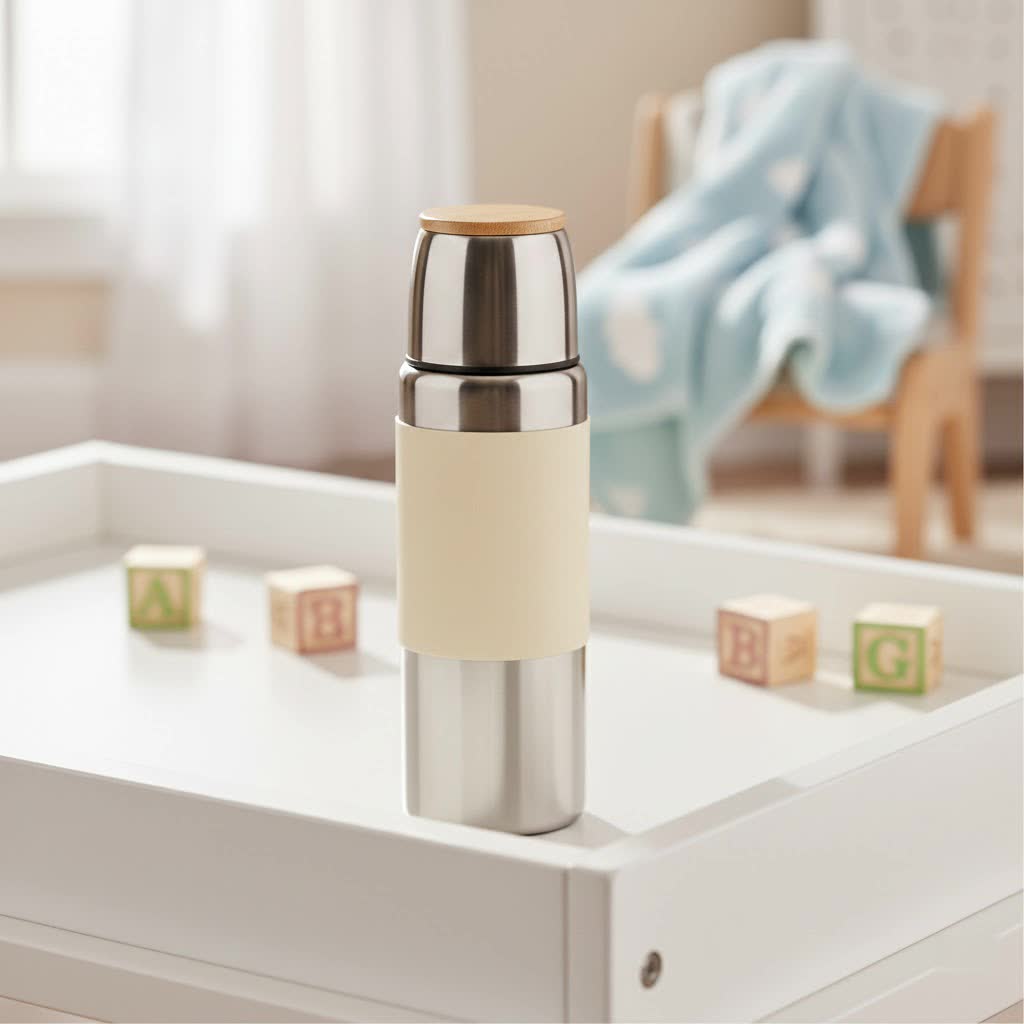
In our fast-paced lives, staying hydrated and enjoying beverages at their ideal temperature is more important than ever. Whether you’re commuting, hitting the gym, or embarking on an outdoor adventure, a reliable 1 litre thermos water bottle can be your constant companion, ensuring your drink is always just right. This comprehensive guide will help you navigate the myriad options to find the perfect insulated bottle that suits your needs and lifestyle.
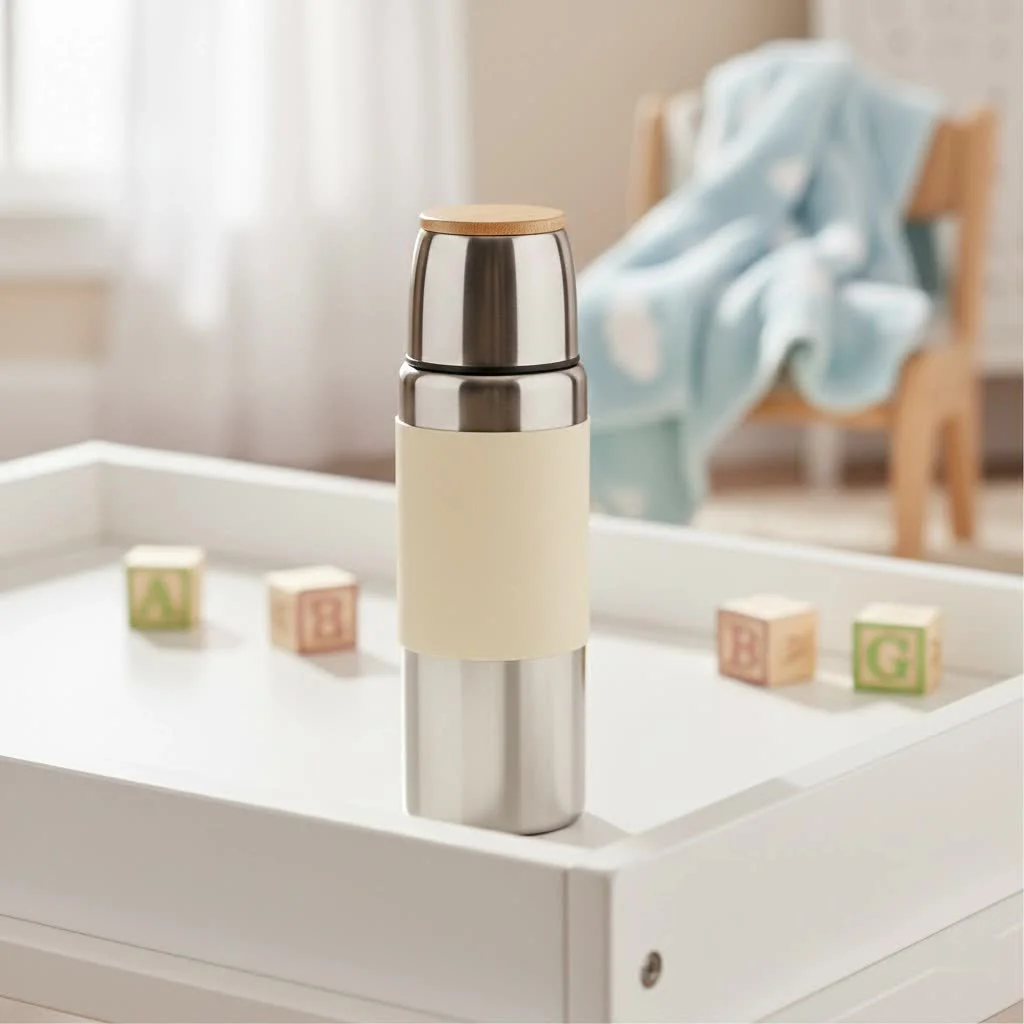
What is a Thermos Bottle? Why Do You Need One?
A thermos bottle, also known as a vacuum flask, is an ingeniously designed container engineered to maintain the temperature of its contents for extended periods. It achieves this remarkable feat through vacuum insulation – a double-walled construction with a vacuum-sealed space between the inner and outer layers. This vacuum acts as a barrier, drastically reducing heat transfer by conduction, convection, and radiation, which are the primary ways heat moves.
The benefits of owning a high-quality thermos water bottle, especially a 1 litre capacity, are numerous. It ensures your coffee stays piping hot through a long workday or your water remains refreshingly icy cold during a summer hike. Beyond temperature retention, these bottles offer significant advantages: they promote health by allowing you to carry safe, BPA-free beverages, save money by reducing reliance on single-use bottled drinks, and are environmentally friendly by cutting down on plastic waste. Their versatility extends to carrying not just water, but also teas, soups, and even chilled smoothies, making them an indispensable item for diverse daily routines.
Popular Types of Thermos Water Bottles
Choosing a thermos bottle involves understanding the different types available, categorized primarily by their material, capacity, and intended purpose. Each variation offers distinct advantages and considerations.
Classification by Material
The material of your thermos bottle significantly impacts its performance, durability, and safety.
- Stainless Steel Thermos Bottles: These are by far the most popular and recommended choice for insulated bottles. Typically made from 18/8 food-grade stainless steel, they offer excellent durability, resisting dents, rust, and corrosion. Stainless steel is non-reactive and does not leach harmful chemicals like BPA or impart a metallic taste to your drinks, ensuring purity and safety. Most high-performance thermos bottles feature double-walled, vacuum-insulated stainless steel construction.
- Plastic Water Bottles: While generally lighter and often more affordable, plastic bottles (even BPA-free options like Tritan) are typically not designed for sustained temperature retention like thermos bottles. They offer minimal insulation and can be prone to scratches. Concerns about microplastics and potential long-term chemical leaching, despite “BPA-free” labels, lead many to seek alternatives, especially for hot beverages.
- Glass Water Bottles: Glass offers the purest taste and is naturally BPA-free. However, it is significantly heavier and more fragile than stainless steel, making it less ideal for rugged outdoor activities or for children. Some traditional vacuum flasks feature an inner glass ampoule for excellent insulation, but these are even more susceptible to breakage.
Classification by Capacity
|
Our Picks for the Best Thermos Bottle in 2026
As an Amazon Associate I earn from qualifying purchases.
|
||
| Num | Product | Action |
|---|---|---|
| 1 | THERMOS ICON SERIES, Stainless Steel Water Bottle with Spout - 24 Ounce, Melon - Vacuum Insulated Water Bottle with Lid |

|
| 2 | THERMOS ICON SERIES Stainless Steel Water Bottle with Spout - 24 Ounce, Granite - Vacuum Insulated Water Bottle with Lid |
|
| 3 | THERMOS Stainless King Vacuum-Insulated Compact Bottle, 16 Ounce, Rustic Red |
|
| 4 | THERMOS Stainless King Vacuum-Insulated Compact Bottle, 16 Ounce, Midnight Blue |
|
| 5 | THERMOS ICON SERIES, Stainless Steel Water Bottle with Spout - 24 Ounce, Matte Stainless Steel - Vacuum Insulated Water Bottle with Lid |
|
| 6 | THERMOS Stainless King Vacuum-Insulated Compact Bottle, 16 Ounce, Matte Steel |
|
| 7 | THERMOS ICON SERIES, Stainless Steel Water Bottle with Spout - 24 Ounce, Plum - Vacuum Insulated Water Bottle with Lid |
|
| 8 | THERMOS ICON SERIES Stainless Steel Water Bottle with Spout - 24 Ounce, Saddle - Vacuum Insulated Water Bottle with Lid |
|
| 9 | THERMOS ICON SERIES Stainless Steel Water Bottle with Spout - 24 Ounce, Glacier - Vacuum Insulated Water Bottle with Lid |
|
| 10 | Insulated Thermo Water Bottle with Handle 20oz Stainless Steel Water Bottle Metal Water Flask Water Bottle for Hot and Cold Drink for Hiking, Workout, Gym, Travel (Green, 600ml) |
|
The 1-litre capacity is a sweet spot for many users, balancing ample hydration with manageable portability.
- Mini Bottles (Under 500ml): These compact bottles are perfect for short outings, a single serving of coffee, or for children’s lunchboxes where space and weight are critical. Their small size makes them easy to carry in handbags or small backpacks.
- Medium Bottles (500ml – 1 Litre): The 1-litre thermos water bottle falls into this highly versatile category. It provides sufficient hydration for several hours, making it ideal for a full workday, a lengthy gym session, or a half-day hike. It strikes a great balance between capacity and portability, fitting well into most backpack side pockets or larger cup holders.
- Large Bottles (Over 1 Litre): For extended adventures, long road trips, or group hydration needs, bottles over 1 litre are excellent. While heavier and bulkier, they minimize the need for refills, ensuring you have enough liquid for prolonged periods away from a water source.
Classification by Purpose
The design and features of a thermos bottle can be tailored to specific uses.
- Thermos Bottles for Office Workers: Often prioritizing sleek design, a comfortable grip, and a leak-proof lid for safe transport in bags. A 1-litre size is perfect for all-day hydration without constant trips to the water cooler.
- Thermos Bottles for Children: Focus on safety (BPA-free materials), ease of use (simple opening mechanisms, handles), and durability to withstand drops. Smaller capacities are common, but a 1-litre bottle could suit older children for school or sports.
- Thermos Bottles for Sports and Outdoors: Emphasize robust construction, excellent temperature retention for extreme conditions, anti-slip finishes, and secure, often one-handed opening mechanisms. A 1-litre stainless steel bottle is a popular choice for hikers, campers, and athletes.
Comparison of Thermos Water Bottle Materials
| Feature | Stainless Steel Thermos | Plastic Water Bottle | Glass Water Bottle |
|---|---|---|---|
| Heat Retention | Excellent (Vacuum Insulated) | Poor / Minimal | Good (If insulated, but rare) |
| Durability | Very High | Moderate | Low (Fragile) |
| Safety | High (Food-grade, BPA-free) | Moderate (BPA-free options, microplastic concerns) | High (BPA-free, pure taste) |
| Weight | Moderate to Heavy | Very Light | Heavy |
| Taste Purity | High | Can retain odors/flavors | Excellent |
| Versatility | High (Hot & Cold, varied uses) | Limited (Cold only, often) | Limited (Cold, home use) |
| Typical Cost | Moderate to High | Low | Moderate |
How to Choose the Perfect 1 Litre Thermos Water Bottle
Selecting the ideal 1 litre thermos water bottle requires careful consideration of several factors to ensure it perfectly aligns with your needs and preferences.
Determine Your Usage Needs
Start by envisioning how you’ll primarily use your bottle. Do you need it for long hours at the office, intense workouts, or extended outdoor adventures?
- Purpose: For daily office use, a sleek design that fits in a bag is key. For outdoor activities, prioritize ruggedness and superior insulation.
- Capacity: A 1-litre bottle is excellent for all-day hydration for an individual, minimizing refills. If you tend to drink less or more, adjust your capacity expectations accordingly for future purchases.
- Beverage Type: Will you carry hot coffee, iced tea, or just cold water? This influences the importance of heat retention performance.
Prioritize Material and Insulation
For a thermos bottle, stainless steel is the gold standard for its combined benefits.
- Stainless Steel: Opt for 18/8 food-grade stainless steel for durability, safety, and no metallic aftertaste.
- Vacuum Insulation: Ensure the bottle features double-wall vacuum insulation. This is the technology that truly keeps your drinks hot or cold for many hours. Some advanced designs include an internal copper layer for enhanced thermal performance.
Evaluate Lid Design and Mouth Opening
The lid and mouth design are crucial for both insulation and user experience.
- Leak-Proof Seal: A truly leak-proof lid is non-negotiable, especially for a 1-litre bottle carried in bags.
- Pouring Mechanism: Consider lids with an integrated cup, a pour-through stopper, or a simple twist-off cap. Pour-through caps can minimize heat loss.
- Mouth Opening:
- Wide Mouth: Easier to clean, convenient for adding ice cubes, and suitable for soups or thicker liquids. However, wider openings can sometimes lead to slightly more heat loss.
- Narrow Mouth: Tends to offer better insulation by reducing the surface area for heat exchange, but can be harder to clean and fill.
- Lid Material: Ensure any plastic components in the lid are BPA-free and durable.
Check Durability and Build Quality
A thermos bottle is an investment, so longevity matters.
- Robust Construction: Look for sturdy construction that can withstand daily wear and accidental drops. Stainless steel naturally provides this.
- Finishing: A powder-coat finish can add grip, reduce condensation, and protect against scratches.
- Absence of Odors: A new bottle should not have strong chemical smells, which can indicate poor-quality materials.
Consider Brand Reputation and User Reviews
Reputable brands often signify better quality and performance.
- Known Brands: Brands like Thermos, Stanley, Hydro Flask, Klean Kanteen, and Zojirushi are well-regarded for their insulated products.
- User Feedback: Read reviews from other users focusing on heat retention, durability, ease of cleaning, and any common complaints. Pay attention to reviews specifically for the 1-litre capacity.
Tips for Using and Maintaining Your Thermos Water Bottle
To maximize the performance and lifespan of your 1 litre thermos water bottle, proper usage and maintenance are essential.
- Pre-heating/Pre-cooling: For optimal temperature retention, pre-heat your thermos with hot water (or pre-cool with ice water) for 5-10 minutes before adding your desired beverage. Empty the water before filling. This primes the inner wall to the desired temperature, reducing initial heat transfer from your drink.
- Fill Completely: For hot liquids, filling the bottle as completely as possible helps maintain temperature by reducing the amount of air space.
- Secure the Lid: Always ensure the lid is tightly sealed to prevent leaks and minimize heat loss.
- Regular Cleaning:
- Daily Wash: After each use, rinse the bottle and lid thoroughly with warm, soapy water. Use a bottle brush to reach the bottom and sides effectively.
- Deep Clean: Periodically, use a mixture of baking soda and warm water, or specialized cleaning tablets, to remove stubborn stains, odors, or residue. Let it soak for a few hours or overnight before scrubbing and rinsing.
- Lid Care: Pay extra attention to cleaning the lid, especially if it has intricate parts or rubber seals, as these can harbor bacteria.
- Avoid Harsh Cleaners: Do not use abrasive cleaners, bleach, or scrubbers that can damage the stainless steel finish or internal coating.
- Drying and Storage: Allow the bottle and lid to air dry completely, ideally disassembled, before storing. This prevents mold and mildew growth. Store with the lid off or slightly ajar to allow air circulation and prevent stale odors.
- Not for Carbonated Drinks: Most thermos bottles are not designed for carbonated beverages, as the pressure build-up can damage seals or cause the lid to eject unexpectedly.
- Microwave/Freezer Safety: Never put your stainless steel thermos bottle in a microwave or freezer, as this can damage the vacuum insulation and the bottle itself.
By following these tips, your 1 litre thermos water bottle will reliably keep your drinks at the perfect temperature for years to come, becoming a valuable part of your daily routine.
Conclusion
Choosing the perfect 1 litre thermos water bottle is an investment in convenience, health, and sustainability. With its ideal capacity for all-day hydration and superior temperature retention, a high-quality stainless steel vacuum insulated bottle is a game-changer for anyone on the go. By considering factors like material durability, innovative lid designs, and ease of maintenance, you can select a bottle that not only meets your practical needs but also enhances your daily life.
Ready to make a choice that supports both your hydration goals and a healthier planet? Which feature will you prioritize in your quest for the ultimate 1 litre thermos water bottle?
Frequently Asked Questions
How long can a 1 litre thermos water bottle keep drinks hot or cold?
A high-quality 1 litre thermos water bottle typically keeps drinks hot for 6-12 hours and cold for 12-24 hours, sometimes even longer for cold beverages. Performance varies based on the quality of vacuum insulation, the initial temperature of the liquid, and how often the bottle is opened. Pre-heating or pre-cooling the bottle can significantly extend these times.
Is a stainless steel 1 litre thermos safe to drink from?
Yes, stainless steel 1 litre thermos bottles made from food-grade 18/8 stainless steel are considered very safe. This material is inert, non-toxic, and does not leach chemicals like BPA into your beverages. It also resists rust and corrosion, ensuring your drinks remain pure and untainted.
Can I put ice cubes in a 1 litre thermos water bottle?
Absolutely! Many 1 litre thermos bottles feature wide mouth openings, making it easy to add ice cubes. Adding ice is an excellent way to boost the cold retention performance of your bottle, keeping your drinks frosty for even longer periods.
How do I prevent my thermos bottle from smelling over time?
To prevent odors, always wash your thermos bottle and lid thoroughly after each use with warm, soapy water. Periodically deep clean it with a solution of baking soda and water or specialized cleaning tablets. Ensure it is completely air-dried, ideally with the lid removed, before storing to prevent mildew and odor build-up.
Get our weekly buyer guide
Practical specs, not advice. Unsubscribe anytime.
