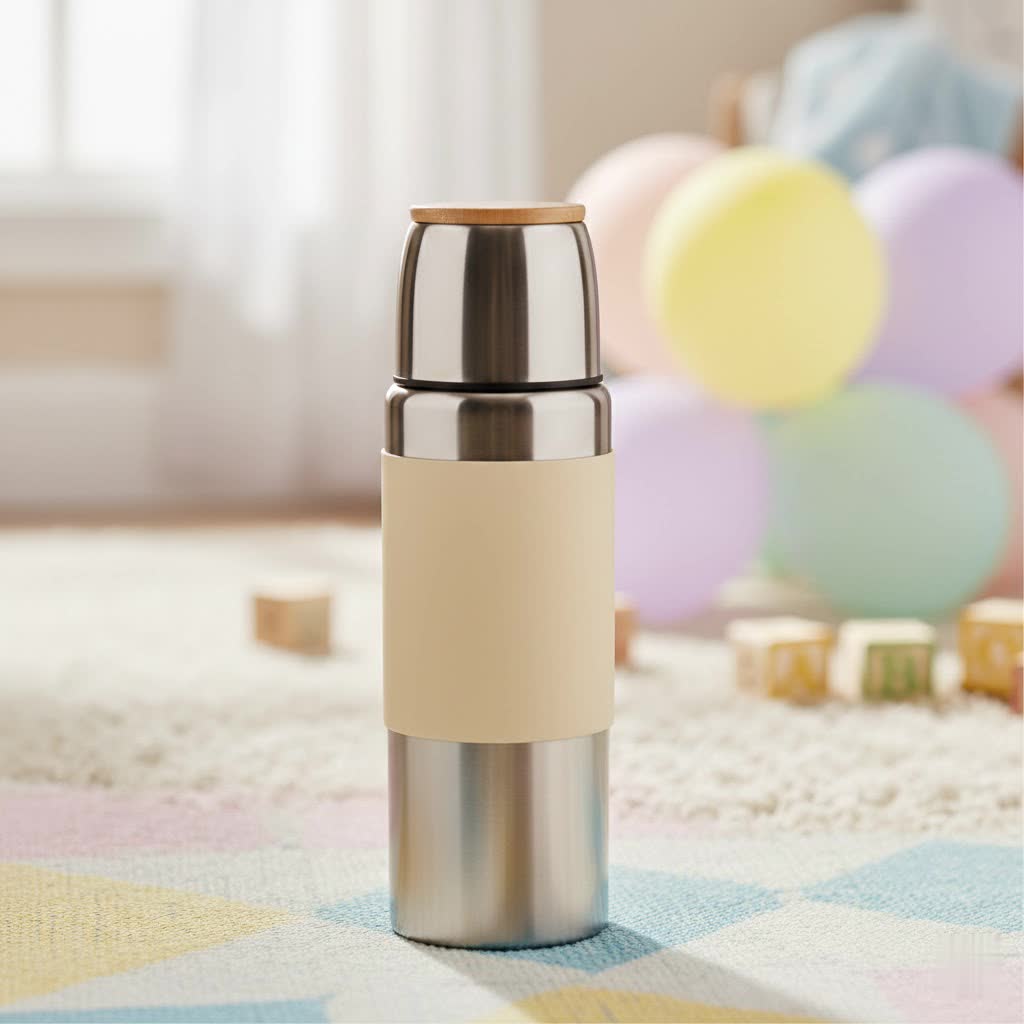
There’s a unique comfort in sipping a warm drink on a cold morning, a long commute, or during an outdoor adventure. A reliable thermos water bottle is not just a convenience; it’s an essential companion for those who cherish their hot beverages throughout the day. But with countless options flooding the market, how do you choose the one that truly keeps your water piping hot and safe? This comprehensive guide, informed by years of expertise in thermal beverage containers, will navigate you through the world of thermos water bottles, ensuring you find your ideal match.
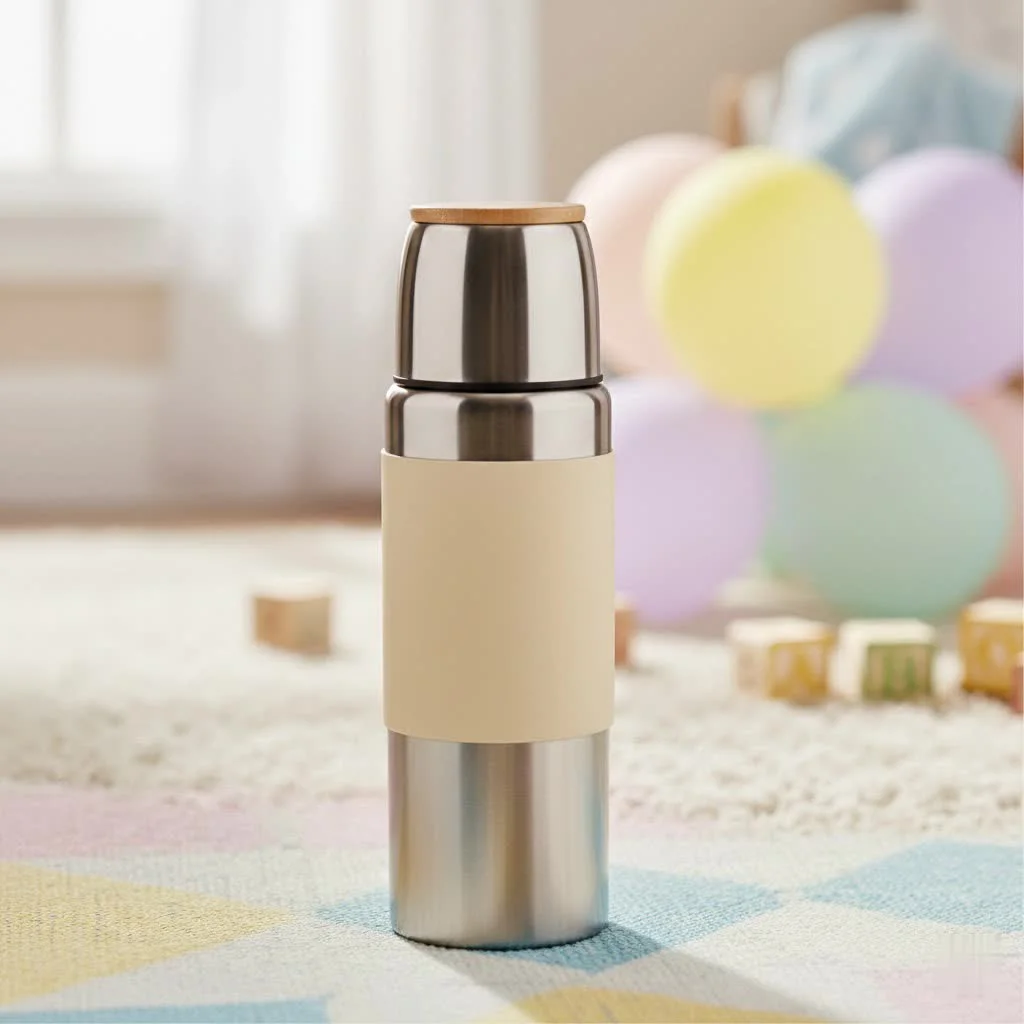
What is a Thermos Water Bottle? Why You Need One for Hot Water
At its core, a thermos water bottle, also known as a vacuum flask, is an insulated container designed to maintain the temperature of its contents over extended periods. It achieves this remarkable feat through a principle called vacuum insulation. The bottle features a double-wall construction with a vacuum-sealed space between the inner and outer layers. This vacuum layer acts as a barrier, significantly reducing heat transfer through conduction and convection. Additionally, the inner surface is often coated with a reflective material to minimize heat loss via radiation, ensuring your hot water stays hot for hours.
Beyond the simple pleasure of a warm drink, owning a high-quality thermos water bottle for hot water offers several compelling benefits. It encourages better hydration, especially for those who prefer warm water. It safeguards your health by reducing reliance on single-use plastics, many of which can leach harmful chemicals when exposed to heat. Furthermore, it’s an economical choice, saving you money on daily coffee or tea purchases and contributing to a more sustainable lifestyle.
Popular Types of Thermos Water Bottles
Thermos water bottles come in various forms, primarily differentiated by their material, capacity, and intended use. Understanding these classifications can help you pinpoint the best option for your lifestyle.
Classification by Material
The material of your thermos bottle is paramount, especially when considering hot liquids.
- Stainless Steel Thermos Water Bottles: These are by far the most popular and recommended choice for hot water.
- Pros: Stainless steel is incredibly durable, resistant to corrosion, and does not leach chemicals or flavors into your beverages, even at high temperatures. High-quality stainless steel, specifically food-grade 304 (also known as 18/8) or 316 (medical grade), is non-reactive and ensures purity. Its inherent properties, combined with vacuum insulation, offer superior heat retention.
- Cons: Non-insulated stainless steel bottles can become very hot to the touch, but this is mitigated by the double-wall vacuum design of proper thermos bottles. It’s crucial to avoid lower-grade stainless steel, such as 201, which has higher manganese content and can leach heavy metals, especially with acidic liquids like coffee or juice.
- Plastic Thermos Water Bottles: While often lightweight and more affordable, plastic bottles are generally less suitable for long-term hot water retention.
- Pros: Lightweight, sometimes cheaper. BPA-free plastics are safer than traditional plastics.
- Cons: They typically offer poor heat retention compared to stainless steel. Even BPA-free plastics can degrade over time, and some may still leach undesirable compounds, making them a less ideal choice for consistently very hot liquids. They primarily offer “heat insulation” rather than true “heat retention” over hours.
- Glass Thermos Water Bottles: Glass offers excellent purity and is easy to clean.
- Pros: Very stable, does not leach any chemicals, and allows you to see the contents.
- Cons: Highly fragile, prone to breaking, and often heavier, making them less practical for portability and everyday carry, especially for hot water.
- Ceramic and Purple Sand Thermos Liners: These materials are less common but offer unique benefits.
- Ceramic: Known for high safety and purity, ceramics are non-reactive and free from harmful substances. However, ceramic-lined thermoses are generally rare and can be significantly more expensive.
- Purple Sand (Zisha): Valued in Asian cultures, purple sand is excellent for tea, offering good insulation and natural properties. Authentic pure natural purple sand is scarce, making such bottles hard to find and premium-priced.
For reliable performance and safety with hot water, food-grade stainless steel (304 or 316) is the unequivocal best choice.
Classification by Capacity
|
Our Picks for the Best Thermos Bottle in 2026
As an Amazon Associate I earn from qualifying purchases.
|
||
| Num | Product | Action |
|---|---|---|
| 1 | THERMOS Stainless King Vacuum-Insulated Compact Bottle, 16 Ounce, Matte Steel |

|
| 2 | THERMOS ICON SERIES Stainless Steel Water Bottle with Spout - 24 Ounce, Saddle - Vacuum Insulated Water Bottle with Lid |
|
| 3 | THERMOS ICON SERIES, Stainless Steel Water Bottle with Spout - 24 Ounce, Plum - Vacuum Insulated Water Bottle with Lid |
|
| 4 | Insulated Thermo Water Bottle with Handle 20oz Stainless Steel Water Bottle Metal Water Flask Water Bottle for Hot and Cold Drink for Hiking, Workout, Gym, Travel (Green, 600ml) |
|
| 5 | THERMOS ICON SERIES Stainless Steel Water Bottle with Spout - 24 Ounce, Glacier - Vacuum Insulated Water Bottle with Lid |
|
| 6 | THERMOS Stainless King Vacuum-Insulated Compact Bottle, 16 Ounce, Midnight Blue |
|
| 7 | THERMOS Stainless King Vacuum-Insulated Compact Bottle, 16 Ounce, Rustic Red |
|
| 8 | THERMOS ICON SERIES, Stainless Steel Water Bottle with Spout - 24 Ounce, Matte Stainless Steel - Vacuum Insulated Water Bottle with Lid |
|
| 9 | THERMOS ICON SERIES Stainless Steel Water Bottle with Spout - 24 Ounce, Granite - Vacuum Insulated Water Bottle with Lid |
|
| 10 | THERMOS ICON SERIES, Stainless Steel Water Bottle with Spout - 24 Ounce, Melon - Vacuum Insulated Water Bottle with Lid |
|
The right size depends on your daily hydration needs and how you intend to use the bottle.
- Mini (Under 500ml):
- Ideal for: Quick trips, single servings of coffee or tea, children’s lunches.
- Pros: Highly portable, lightweight, easy to fit into small bags.
- Considerations: Generally have shorter heat retention times due to a smaller volume-to-surface area ratio.
- Medium (500ml – 1 Liter):
- Ideal for: Daily office use, gym, commutes, individual hikes.
- Pros: Offers a good balance between capacity and portability, providing enough hot liquid for several hours.
- Considerations: Versatile for most everyday needs.
- Large (Over 1 Liter):
- Ideal for: Long journeys, camping, sharing with others, all-day hydration needs.
- Pros: Superior heat retention due to greater volume. Less frequent refilling.
- Considerations: Bulkier and heavier, may not fit in all cup holders or bags.
Classification by Purpose of Use
Manufacturers often design thermos bottles with specific users in mind.
- For Office Workers: Often feature sleek, professional designs, easy-sip or one-hand operation lids, and sizes that fit comfortably in briefcases or on desks.
- For Children: Emphasize durability, child-friendly locking mechanisms, vibrant colors, and smaller capacities. Safety features to prevent accidental spills and burns are crucial.
- For Sports and Outdoors: Designed to be rugged, leakproof, and often come with protective coatings or handles for easy carrying during active pursuits. Larger capacities are common for extended activities.
Comparison Table of Thermos Water Bottles
Here’s a simplified comparison to highlight the key differences across common thermos bottle types, focusing on their suitability for hot water.
| Feature | Stainless Steel (Vacuum Insulated) | Plastic (Insulated) | Glass (Single/Double Wall) |
|---|---|---|---|
| Material | Food-grade 304/316 Stainless Steel | BPA-Free Plastic | Borosilicate Glass |
| Heat Retention | Excellent (6-24+ hours) | Fair (1-3 hours) | Good (if double-walled) |
| Durability | Very High | Moderate | Low (Fragile) |
| Portability | High | Very High | Low |
| Safety for Hot Water | Excellent (Non-reactive, no leaching) | Moderate (Potential for leaching over time, degradation) | Excellent (Non-reactive, pure) |
| Price Range | Moderate to High | Low to Moderate | Moderate to High |
| Best Use | All-purpose, daily hot beverages, outdoor adventures | Short-term insulation, cold drinks | Home use, aesthetic appeal, pure taste |
Guide to Choosing Your Perfect Thermos Water Bottle
Selecting the right thermos water bottle for hot water involves more than just picking a color. It requires a thoughtful assessment of your needs and product quality.
1. Identify Your Usage Needs
Start by considering how you’ll primarily use your thermos:
- Daily Commute/Office: A medium-sized, sleek stainless steel bottle with an easy-to-open lid might be best.
- Outdoor Activities (Hiking, Camping): Prioritize larger capacities, robust construction, and superior heat retention from brands known for outdoor gear.
- Children’s Use: Focus on smaller, highly durable, leak-proof options with secure locking lids and ensure the outer surface remains cool to the touch.
- Long Trips: A larger capacity thermos will be ideal to reduce the need for refills.
2. Prioritize Quality and Safety
This is non-negotiable, especially for hot liquids.
- Material: Always opt for food-grade 304 (18/8) or 316 stainless steel for the inner lining. Check for these markings, often found on the bottom or inside the bottle. These grades are highly resistant to corrosion and will not leach harmful substances into your hot water, even with acidic drinks like coffee or tea.
- Insulation Type: Ensure it explicitly states “double-wall vacuum insulation.” This is the gold standard for heat retention.
- Lid Design: The lid is crucial for preventing heat loss and leaks. Look for:
- Tight Seal: A secure, leak-proof lid is essential.
- Heat-Resistant Materials: Lids are often made of polypropylene, which is safe for hot liquids.
- Locking Mechanism: A locking feature offers extra security against accidental opening and spills, especially when carrying hot liquids.
- Exterior Temperature: A well-insulated thermos should remain cool or at ambient temperature on the outside, even when filled with boiling water. If the exterior gets hot, the insulation is compromised.
3. Consider Reputable Brands
Investing in a well-known brand often guarantees better quality, performance, and customer support. Brands consistently rated highly for their hot water thermos bottles include:
- Thermos: A pioneer in vacuum insulation, known for durable “Thermos Ultimate” and “Stainless King” lines.
- Stanley: Famous for its rugged, classic designs and excellent heat retention in products like the “Stanley Classic Legendary Bottle.”
- Zojirushi: Praised for exceptional heat retention and innovative lid designs, such as the “Zojirushi Stainless Bottle.”
- Hydro Flask: Popular for its wide range of sizes and colors, offering good all-around performance.
- S’well, YETI, Simple Modern, Takeya: Other strong contenders offering various styles and features.
4. Read User Reviews
Before making a final decision, always read reviews from other users. Pay attention to comments regarding:
- Actual Heat Retention: How long does it really keep water hot in real-world conditions?
- Leak-Proof Performance: Any issues with spills or leaks?
- Durability: How well does it hold up to daily use and accidental drops?
- Ease of Cleaning: Are there any hard-to-reach areas prone to mold or residue buildup?
Tips for Using and Maintaining Your Thermos Water Bottle
Proper usage and care will maximize your thermos’s performance and extend its lifespan.
How to Use Your Thermos for Optimal Heat Retention
- Pre-heat Your Thermos: This is perhaps the most critical step for keeping water hot longer. Before adding your beverage, fill the thermos with boiling water, close the lid, and let it sit for 5-10 minutes. Empty the hot water just before pouring in your actual hot drink. This warms the inner walls, preventing them from absorbing heat from your beverage.
- Fill Appropriately: Fill your thermos as full as possible, leaving only a small air gap at the top. The less air space inside, the better the heat retention. However, do not overfill to the point of spilling or creating excessive pressure.
- Secure the Lid Tightly: A loose lid is the quickest way to lose heat. Always ensure the lid is screwed on or sealed securely.
- Avoid Frequent Opening: Each time you open the thermos, heat escapes. Try to minimize how often you open it, especially in cold environments.
- Use the Right Lid: Some thermoses come with a cup or a small pour spout. Using these can help minimize heat loss compared to fully removing a wide-mouth lid.
How to Clean and Care for Your Thermos
Maintaining hygiene is vital for safety and taste.
- Regular Cleaning: Wash your thermos daily, especially if using it for coffee, tea, or other beverages that can leave residue and odors.
- Hand Washing Recommended: While some stainless steel bottles are dishwasher safe, hand washing is often recommended to preserve the vacuum seal and exterior finish. Use warm, soapy water and a bottle brush to reach all internal surfaces.
- Lid Care: Disassemble lid components if possible and clean thoroughly, as gaskets and crevices can harbor bacteria and mold.
- Stubborn Stains/Odors: For persistent stains or odors, a mixture of baking soda and warm water, left to sit overnight, can be effective. A diluted vinegar solution can also help remove mineral deposits.
- Drying and Storage: Ensure your thermos is completely dry before storing it. Store with the lid slightly ajar to allow air circulation and prevent musty odors.
Important Safety Considerations
- Hot Liquid Caution: Always exercise extreme caution when handling hot liquids to avoid burns and scalds. Allow extremely hot liquids to cool slightly to a drinkable temperature before consuming.
- Lid Pressure: When filling with very hot liquids, a small amount of steam pressure can build up. Opening the lid slowly can help release this safely.
- Children’s Use: If using for children, ensure the liquid is at a safe, warm temperature and the bottle has child-friendly features like locking lids to prevent accidental spills.
“A great thermos isn’t just about keeping things hot; it’s about making safety and ease of use paramount, ensuring your hot drink is a comfort, not a hazard.” – Admin, ReviewJoeyG.com
Conclusion
Choosing the ideal thermos water bottle for hot water is an investment in comfort, health, and sustainability. By understanding the core principles of vacuum insulation, prioritizing food-grade stainless steel, and carefully considering capacity and intended use, you can confidently select a bottle that meets your needs. Remember to always emphasize quality, check for robust lid designs, and follow best practices for usage and cleaning to ensure your hot beverages remain perfectly warm and safe, wherever your day takes you.
What will be your next adventure with your perfectly hot beverage in hand?
Frequently Asked Questions
Is it safe to put boiling water in a thermos water bottle?
Yes, it is generally safe to put boiling water in a high-quality, food-grade stainless steel thermos water bottle that features double-wall vacuum insulation. These bottles are specifically designed to withstand high temperatures without leaching chemicals or degrading. Always ensure the lid is securely fastened to prevent spills and burns, and be mindful of potential steam pressure when opening.
How long do thermos water bottles keep water hot?
The heat retention time for thermos water bottles varies significantly depending on the bottle’s quality, size, initial water temperature, ambient temperature, and how often it’s opened. Most good quality stainless steel thermoses can keep water hot for 6-12 hours, with some larger, premium models retaining heat for up to 18-24 hours. Pre-heating the bottle can significantly extend this duration.
What is the best material for a thermos water bottle for hot water?
The best material for a thermos water bottle intended for hot water is food-grade stainless steel, specifically 304 (18/8) or 316 grade. These materials are non-reactive, durable, corrosion-resistant, and do not leach chemicals or flavors into hot liquids. They are also highly effective when combined with double-wall vacuum insulation for superior heat retention.
Can I put coffee or tea in my thermos water bottle?
Yes, you can absolutely put coffee or tea in your thermos water bottle. High-quality stainless steel bottles are excellent for keeping these beverages hot. However, it’s crucial to clean the bottle thoroughly after each use to prevent residue buildup, staining, and the development of odors, especially in the lid components.
How do I clean my thermos water bottle properly?
To clean your thermos water bottle, hand wash it daily with warm, soapy water and a bottle brush, paying special attention to disassembling and cleaning all lid parts. For stubborn stains or odors, use a mixture of baking soda and warm water, letting it soak overnight if needed. Always ensure the bottle and lid are completely dry before storage to prevent mold and mustiness.
Get our weekly buyer guide
Practical specs, not advice. Unsubscribe anytime.
