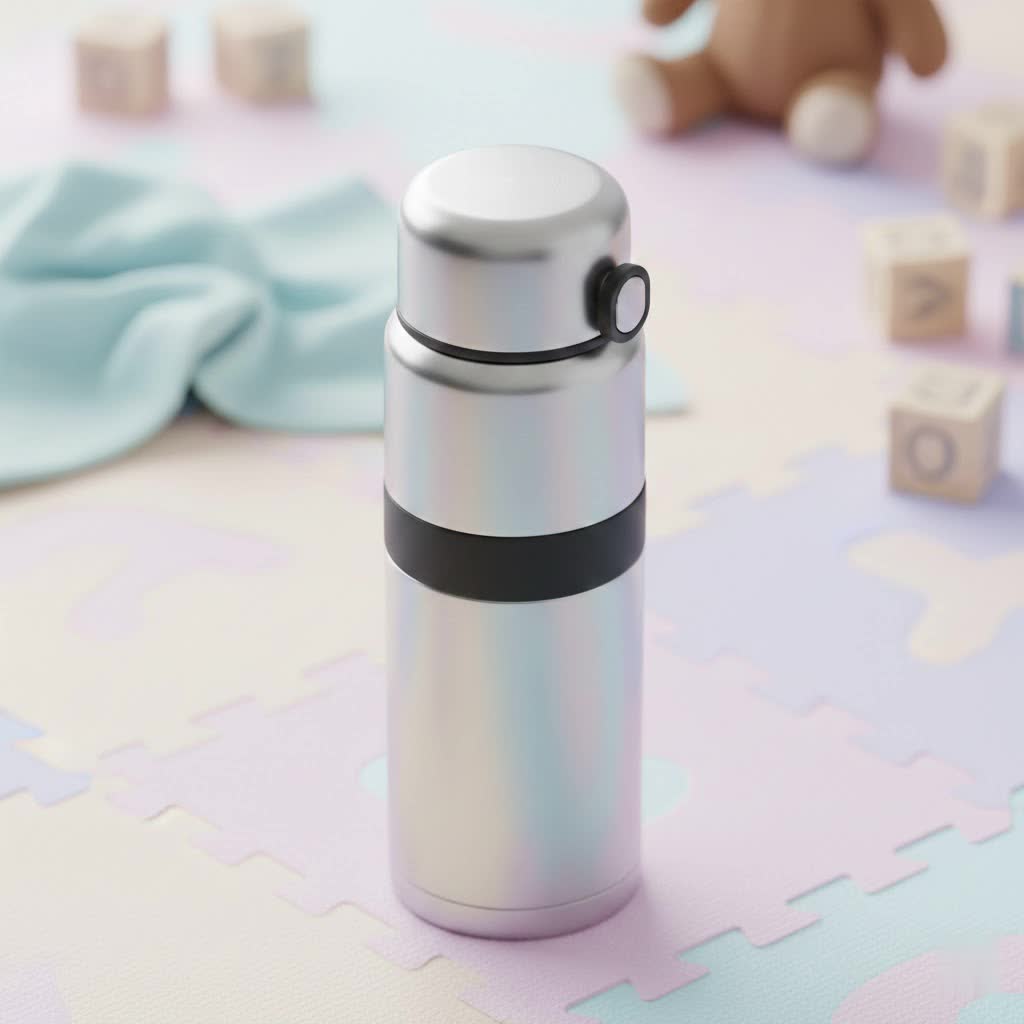
Step back in time to an era where quality craftsmanship met everyday utility, and discover the allure of the vintage thermos vacuum bottle. More than just containers, these iconic pieces are steeped in history, carrying tales of family picnics, rugged adventures, and cozy moments. But as charming as these relics are, understanding their design, materials, and most importantly, their safety is crucial. This comprehensive guide will help you appreciate the legacy of these classic bottles, offering insights into their types, how to identify them, and essential tips for their safe enjoyment and preservation.
What is a Vacuum Flask? The Enduring Legacy of the Thermos Bottle
At its core, a vacuum flask, often generically called a “thermos,” is an ingenious device designed to maintain the temperature of its contents. Scottish scientist Sir James Dewar invented the vacuum flask in 1892 while conducting cryogenic research. He discovered that by creating a partial vacuum between two layers of glass, heat transfer through conduction and convection could be drastically reduced, keeping substances at a stable temperature. For shop curated thermos bottles on this site.
It wasn’t until 1904 that German glassblower Reinhold Burger saw the commercial potential for Dewar’s invention, creating a more robust, domestic version and patenting it. He then launched a competition to name his new product, and the winning entry, “Thermos,” derived from the Greek word “thérmē” meaning heat, gave birth to a brand that would become synonymous with insulated bottles worldwide. The American Thermos Bottle Company was established in 1907, bringing this revolutionary product to homes and adventurers across the United States.
The simple yet brilliant principle of vacuum insulation allows these bottles to keep liquids hot for hours, perfect for a morning coffee or a warm soup, and equally effective at keeping drinks refreshingly cold on a scorching day. This innovation quickly made thermos bottles an indispensable item for everyone from explorers and soldiers to factory workers and schoolchildren, fundamentally changing how people consumed food and beverages on the go.
The Allure of Vintage Thermos Bottles: Types and Materials
The appeal of vintage thermos bottles lies not only in their historical significance but also in their distinctive aesthetics and varied construction. Over the decades, their materials and designs evolved, reflecting the changing tastes and technological advancements of each era.
Materials Evolution:
- Glass-Lined Interiors: Many early and mid-century thermos bottles featured a delicate, silvered glass interior. This double-walled glass, with a vacuum sealed between the layers, was highly effective at insulation. However, these liners were notoriously fragile, prone to shattering if dropped or exposed to sudden temperature changes. Early models often sealed with a cork stopper, later replaced by plastic or metal screw-tops.
- Outer Casings: The exterior of vintage thermoses varied widely. Early models often had metal bodies, such as ribbed aluminum or steel, providing a protective shell for the glass interior. As manufacturing evolved, plastics became more prevalent for caps, cups, and even outer casings, particularly from the 1960s onwards.
- Shift to Stainless Steel: A significant leap occurred in 1966 when the Thermos brand introduced its first stainless steel vacuum bottle, offering much greater durability. However, it wasn’t until 1978 that Nippon Sanso developed the world’s first all-stainless steel vacuum bottle, gradually replacing the more fragile glass-lined predecessors.
Aesthetic Evolution:
The appearance of vintage thermoses can often help in dating them and adds to their collectible charm:
- Mid-Century Classics (1950s-1960s): These are perhaps the most iconic, characterized by vibrant solid colors (red, blue, green), bold stripes, and popular plaid patterns. They often came with integrated cups that doubled as lids and sturdy handles.
- The 1970s Transition: This decade saw the introduction of earthier tones like avocado green and oranges, sometimes adorned with floral patterns, reflecting the era’s design trends.
- The 1980s Era: Thermoses from the 80s were frequently designed to accompany lunchboxes, featuring a wide array of prints, scenes, and popular cartoon or movie characters, catering to a younger audience.
Popularity with Collectors:
Vintage thermoses are highly sought after by collectors for their nostalgic appeal, robust design, and ability to add a touch of retro charm to any space. Many collectors are drawn to the vibrant colors and unique patterns that evoke a sense of Americana and simpler times. What makes them particularly appealing is their relative affordability, with most pieces ranging from $5 to $50, though rare or pristine examples can fetch significantly higher prices.
Navigating the Past: Identifying and Valuing Your Vintage Thermos
|
Our Picks for the Best Thermos Bottle in 2026
As an Amazon Associate I earn from qualifying purchases.
|
||
| Num | Product | Action |
|---|---|---|
| 1 | THERMOS Stainless King Vacuum-Insulated Compact Bottle, 16 Ounce, Matte Steel |

|
| 2 | THERMOS ICON SERIES, Stainless Steel Water Bottle with Spout - 24 Ounce, Matte Stainless Steel - Vacuum Insulated Water Bottle with Lid |
|
| 3 | THERMOS ICON SERIES Stainless Steel Water Bottle with Spout - 24 Ounce, Glacier - Vacuum Insulated Water Bottle with Lid |
|
| 4 | Insulated Thermo Water Bottle with Handle 20oz Stainless Steel Water Bottle Metal Water Flask Water Bottle for Hot and Cold Drink for Hiking, Workout, Gym, Travel (Green, 600ml) |
|
| 5 | THERMOS ICON SERIES, Stainless Steel Water Bottle with Spout - 24 Ounce, Plum - Vacuum Insulated Water Bottle with Lid |
|
| 6 | THERMOS ICON SERIES Stainless Steel Water Bottle with Spout - 24 Ounce, Granite - Vacuum Insulated Water Bottle with Lid |
|
| 7 | THERMOS Stainless King Vacuum-Insulated Compact Bottle, 16 Ounce, Midnight Blue |
|
| 8 | THERMOS ICON SERIES, Stainless Steel Water Bottle with Spout - 24 Ounce, Melon - Vacuum Insulated Water Bottle with Lid |
|
| 9 | THERMOS Stainless King Vacuum-Insulated Compact Bottle, 16 Ounce, Rustic Red |
|
| 10 | THERMOS ICON SERIES Stainless Steel Water Bottle with Spout - 24 Ounce, Saddle - Vacuum Insulated Water Bottle with Lid |
|
Identifying and understanding the potential value of a vintage thermos vacuum bottle can be an exciting treasure hunt. Several key indicators can help you uncover its history and estimate its worth.
Checking Stamps and Markings:
The most reliable way to identify a vintage thermos is by examining the bottom for manufacturer stamps or markings. These often include the brand name (e.g., “Thermos®,” “Aladdin,” “Union”), model number, filler number, and sometimes even the manufacturing location. Searching these specific details online can provide a more precise production date and information about the thermos. For instance, a model number like “2484” might indicate production between 1953-1955.
Clues from Design Elements:
Beyond stamps, the physical characteristics offer valuable hints:
- Glass Liner and Cork Stopper: If your thermos features an inner glass bottle and a cork stopper, it likely dates to the 1950s or earlier, as these materials were prevalent before the widespread adoption of plastic and stainless steel.
- Outer Body Material: Metal bodies, particularly ribbed aluminum, were common in mid-century designs. The presence of specific plastic types can also help narrow down the period.
- Colors and Patterns: As discussed, iconic plaid patterns, solid red, blue, or green colors often point to the 1950s and 60s. Avocado green or floral designs suggest the 1970s, while character-themed thermoses typically emerged in the 1980s.
Typical Price Ranges and Factors for Higher Value:
Most vintage thermoses are quite affordable, often found in flea markets, antique shops, or online for $15-$50. However, certain factors can significantly increase their value:
- Rarity: Unique models, limited editions, or those from lesser-known early manufacturers.
- Condition: Pristine condition, with minimal dents, dings, paint loss, and an intact liner, is highly desirable.
- Originality: The presence of all original components, such as matching cups, stoppers, and carriers.
- Historical Significance: Thermoses associated with particular events, promotions, or early advertising.
- Artistic Design: Mid-century designs that are particularly striking or exemplify a specific design movement can fetch higher prices. Some rare pieces from the 1930s with unique designs and complete sets of nesting cups have been appraised for thousands of dollars.
Safety First: What You MUST Know Before Using an Old Thermos
While the nostalgic appeal of vintage thermos bottles is undeniable, exercising caution, especially when considering them for food or beverage consumption, is paramount. Many older models were manufactured before modern safety standards were established, posing potential health risks.
The Glass Liner Risk:
Many vintage thermoses feature glass vacuum liners, which, while excellent insulators, are extremely fragile.
- Shattering: A dropped glass-lined thermos can easily shatter, even if the outer casing remains intact.
- Unseen Cracks: Over time, or due to minor impacts, microscopic cracks can develop in the glass liner. These cracks can allow liquids to seep between the inner and outer glass walls, creating a breeding ground for mold and bacteria in an impossible-to-clean space.
- Glass Shards: If the liner is cracked or broken internally, tiny glass shards could contaminate your drink, posing a serious ingestion hazard.
Hazardous Materials:
A significant concern with older thermoses involves the materials used in their construction:
- Lead-Based Paint: Many vintage items, especially those with vibrant or colorful painted exteriors, may contain lead-based paint. If this paint chips or degrades, lead exposure can occur, which is particularly dangerous if the thermos is handled frequently or used by children. Some vintage thermoses have been tested and found to contain high levels of lead, cadmium, arsenic, and antimony in their external components or even internal cups.
- Non-Food-Grade Plastics: Older plastic components (lids, stoppers, cups) may not be food-grade and could leach chemicals like BPA or phthalates, which are linked to various health issues. Unlike modern BPA-free plastics, the safety of these older materials for food contact is often unknown and questionable.
- Asbestos: While less common in the typical thermos, some very old models or components might have used asbestos for insulation, although this is more prevalent in industrial vacuum flasks. Always be wary of materials that appear fibrous or unusual.
Testing for Integrity:
Before considering any vintage thermos for use with food or drink, perform a simple integrity test:
- Visual Inspection: Carefully inspect the exterior for any major cracks, deep dents that might suggest internal damage, or significant paint chipping.
- Sound Test: Gently shake the thermos. If you hear rattling, sloshing (beyond the liquid inside), or the distinct sound of broken glass, the inner liner is compromised.
- Water Leak Test: Fill the thermos with plain water, cap it tightly, and let it sit for 30-60 minutes, perhaps over a towel. Check for any leaks around the lid or body, and observe if the water level inside has noticeably decreased. A loss of volume indicates a crack in the liner.
Recommendation:
For very old, unidentifiable, or visibly damaged vintage thermos bottles, it is generally safest to treat them as decorative items only. If you intend to use a vintage thermos for beverages, ensure its liner is stainless steel (introduced post-1960s, though widely adopted later) or that the glass liner is unequivocally intact and free from any detectable heavy metals, which can be difficult to verify without specialized testing. Prioritize display for most glass-lined bottles.
Bringing Your Vintage Thermos Back to Life: Cleaning and Maintenance
If your vintage thermos passes the safety checks and you deem it suitable for use or simply want to display it beautifully, proper cleaning and maintenance are essential. This will remove years of grime, eliminate odors, and help preserve its condition.
Initial Safety Check:
Before cleaning, always reiterate the safety assessment:
- Visual Inspection: Look for cracks, chips, or significant damage to the exterior and especially the interior. If it has a glass liner, ensure it’s fully intact, with no signs of breakage or liquid seepage between the walls.
- Water Test: Fill it with water, seal it, and wait an hour. If there’s any leakage or a change in the water level, the insulation is compromised, and it’s generally best to use it for decorative purposes only.
General Cleaning:
For basic cleaning and removing loose debris:
- Warm Soapy Water: Fill the thermos with warm water and a few drops of dish soap.
- Bottle Brush: Use a long-handled bottle brush to scrub the interior thoroughly, reaching the bottom and sides. Pay attention to the neck and threads.
- Rinse Thoroughly: Rinse multiple times with clean, warm water until all soap residue is gone and the water runs clear.
- Clean Components: Wash the stopper, lid, and any accompanying cups separately with warm soapy water, paying attention to crevices.
Deep Cleaning for Stains and Odors:
For stubborn stains, coffee rings, or lingering odors, a baking soda and vinegar solution is highly effective:
- Baking Soda & Vinegar Method:
- Pour ½ cup of distilled white vinegar into the thermos.
- Sprinkle 1 tablespoon of baking soda on top. (The mixture will fizz and froth. DO NOT CAP THE THERMOS during this reaction to prevent pressure buildup).
- Once the frothing subsides, fill the rest of the thermos with hot water.
- Let the solution sit for 15-30 minutes, or even overnight for very tough stains.
- After soaking, pour out the solution and use a bottle brush to scrub the interior.
- Rinse thoroughly with clean, warm water until there’s no residual smell of vinegar or baking soda.
- Alternative (Denture Tablets/Hydrogen Peroxide): For severe stains or to sanitize, denture cleaning tablets can be effective. Drop 2-4 tablets into warm water in the thermos and let it soak overnight. Hydrogen peroxide can also be used as a sanitizing soak. Always rinse very thoroughly afterward.
Drying and Storage Tips:
- Air Dry Thoroughly: After cleaning, leave the thermos (and its components) upside down, allowing it to air dry completely. Moisture can lead to mildew or rust.
- Storage: Store vintage thermoses in a dry environment, away from extreme heat, direct sunlight, and high humidity, which can cause metal parts to rust or colors to fade.
- Pre-warming (for glass-lined): If you plan to use a glass-lined thermos for hot beverages, always pre-warm the interior with warm tap water before adding boiling liquids. This prevents thermal shock, which can cause the fragile glass to crack or shatter.
Beyond Beverages: Creative Uses for Your Vintage Treasure
Even if a vintage thermos isn’t suitable for beverages due to safety concerns or a compromised liner, its inherent beauty and nostalgic charm make it a versatile decorative piece.
- Decorative Vignettes: Incorporate your vintage thermos into home decor. Its vibrant colors and unique patterns can add a pop of character to shelves, mantels, or display cabinets. Group several thermoses together for an eye-catching collection, or mix them with other vintage items to create a cohesive aesthetic.
- Rustic Flower Vase: Give a thermos a new lease on life as an unconventional vase. Its insulated nature might even help cut flowers stay fresh longer, though it’s primarily for aesthetic appeal. They are perfect for displaying wildflowers or small bouquets, adding a touch of rustic elegance to any room.
- Utensil Holder: In a kitchen or craft room, a vintage thermos can stylishly hold spoons, spatulas, paintbrushes, or other tools.
- Storage for Non-Consumables: Use them to store pencils, pens, art supplies, or other small household items, blending functionality with vintage flair.
- Themed Decor: For seasonal or themed displays, a plaid thermos evokes autumn picnics, while a brightly colored one can suggest summer outings.
- If Safe for Use: For those vintage thermoses that have passed all safety checks and are deemed safe for food contact (especially stainless steel models), they can still be used for their original purpose:
- Coffee Bar Accent: Keep hot coffee or tea at a self-serve station.
- Soup Container: A smaller, wide-mouthed thermos can hold hot soup for a cozy lunch.
- Picnics & Road Trips: Recreate that classic picnic vibe, filling it with lemonade or iced tea for a refreshing outing.
By embracing creative uses, you can celebrate the history and design of your vintage thermos vacuum bottle, allowing it to continue telling its story in your home.
Conclusion
Vintage thermos vacuum bottles are more than just old containers; they are tangible links to the past, embodying ingenuity, style, and countless memories. From Sir James Dewar’s groundbreaking invention to Reinhold Burger’s commercial vision, these insulated vessels revolutionized how we keep our food and drinks at temperature. Whether you’re drawn to their iconic mid-century aesthetics, their robust utility, or their nostalgic appeal, each vintage thermos tells a unique story.
While their charm is undeniable, always prioritize safety, especially with older, glass-lined models. Understanding the materials, conducting thorough safety checks, and maintaining them properly will ensure that your cherished piece remains a beautiful and, if appropriate, functional part of your life. So, dust off that classic, give it a good clean, and let its timeless design add a touch of history to your modern world. What stories will your vintage thermos tell next?
Frequently Asked Questions
Are vintage thermoses safe to drink from?
The safety of drinking from a vintage thermos depends heavily on its age, materials, and condition. Older models, particularly those with glass liners, can shatter internally, posing a risk of glass shards. Additionally, some vintage thermoses may contain lead-based paint, non-food-grade plastics, or other hazardous materials. It is generally recommended to use very old or unverified vintage thermoses for decorative purposes only, or to perform rigorous safety checks before using them for beverages.
How can I tell the age of my vintage thermos?
You can often estimate the age of a vintage thermos by examining manufacturer stamps or model numbers on its base, which can be cross-referenced online. Design elements like glass liners and cork stoppers typically indicate a thermos from the 1950s or earlier. The style of the outer casing, such as plaid patterns and solid colors (1950s-60s), avocado green/florals (1970s), or character themes (1980s), also provides clues.
What materials were commonly used in old thermos bottles?
Early vintage thermos bottles commonly featured glass vacuum liners for insulation, protected by outer casings made of materials like metal (e.g., aluminum, steel) or early plastics. Stoppers were often made of cork, later transitioning to plastic. Over time, particularly from the late 1960s and 70s, stainless steel interiors began to replace fragile glass.
How do I clean a stained vintage thermos?
For general cleaning, use hot soapy water and a bottle brush. For stubborn stains and odors, a popular method is to use a mixture of baking soda and vinegar (½ cup vinegar, 1 tablespoon baking soda, then add hot water; do not cap while fizzing). Let it soak for 15-30 minutes before scrubbing and rinsing thoroughly. Denture cleaning tablets or hydrogen peroxide can also be effective for sanitizing.
Why did old thermoses have glass liners?
Old thermoses had glass liners because glass was the primary material available for creating the double-walled, vacuum-sealed structure necessary for effective thermal insulation at the time. Sir James Dewar’s original vacuum flask was made of glass. While fragile, glass provided excellent insulation properties by preventing heat transfer through conduction and convection between its two layers.
Get our weekly buyer guide
Practical specs, not advice. Unsubscribe anytime.
