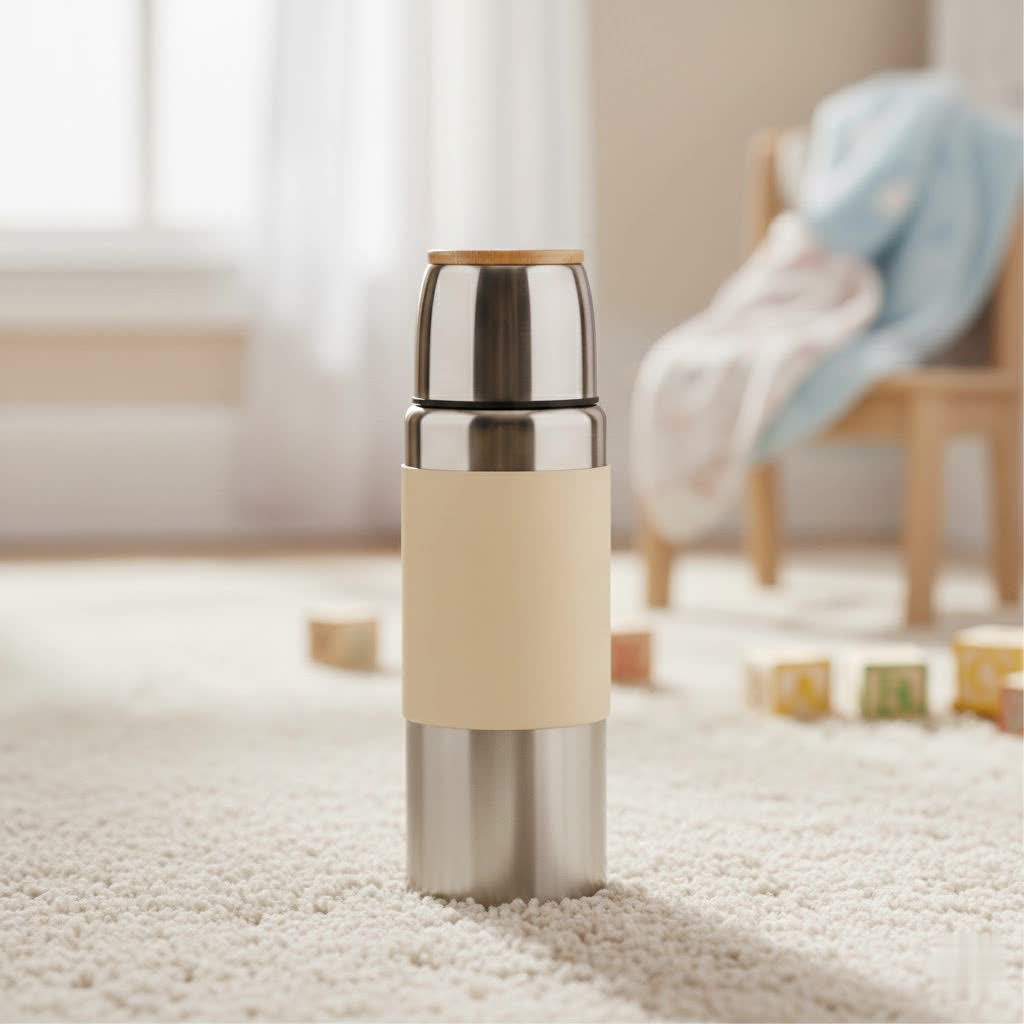
In today’s fast-paced world, maintaining the ideal temperature of your beverages throughout the day is more than just a convenience—it’s a lifestyle choice. Whether you crave a piping hot coffee on a frosty morning commute or an ice-cold refreshing drink during a scorching afternoon hike, a reliable hot cold thermos bottle is an indispensable companion. But with countless options flooding the market, how do you navigate the choices to find the one that truly fits your needs? This comprehensive guide, crafted from years of expertise, will demystify thermos bottles, helping you make an informed decision and elevating your daily hydration experience.
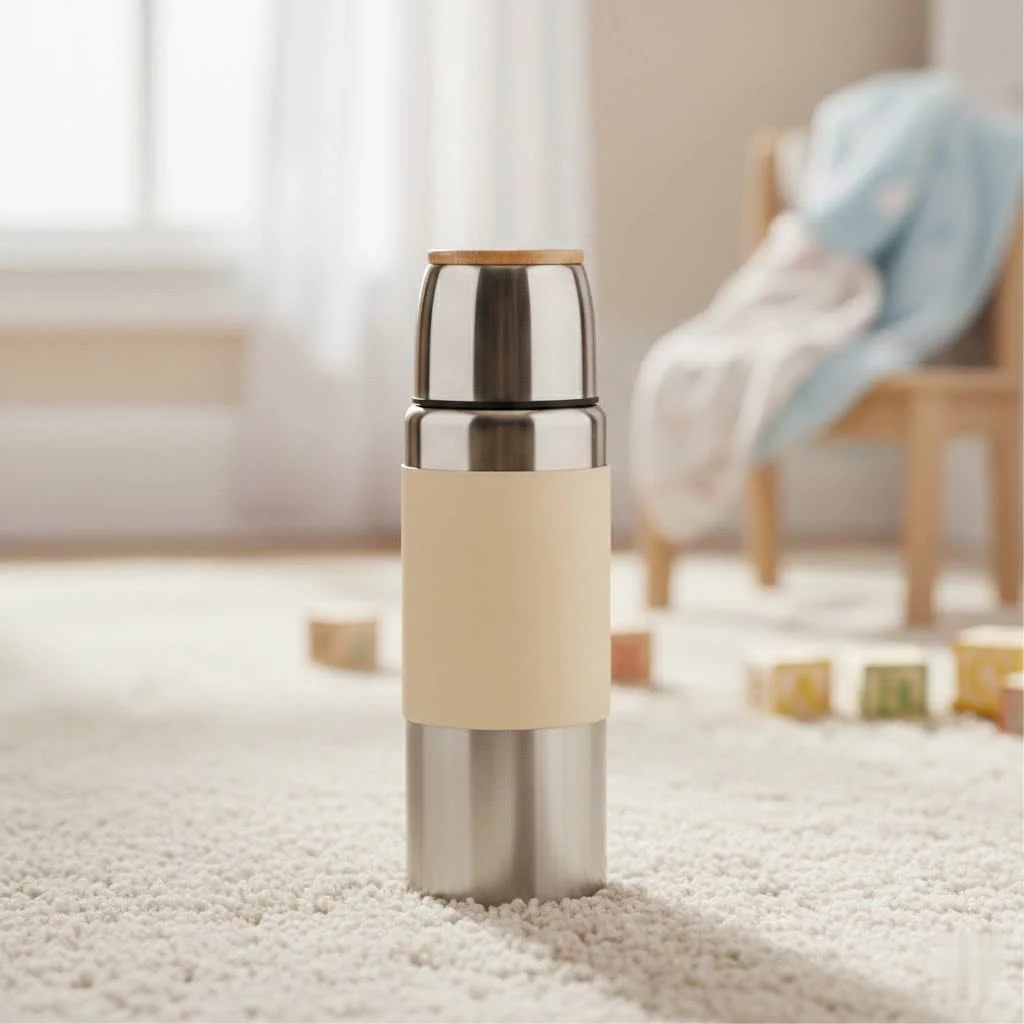
What is a Thermos Bottle, and Why Do You Need One?
A thermos bottle, often interchangeably called a vacuum flask or insulated bottle, is an ingenious invention designed to maintain the temperature of its contents for extended periods. Its magic lies in its double-walled construction, with a vacuum-sealed space between the inner and outer layers. This vacuum is a powerful insulator, effectively minimizing heat transfer through conduction and convection, thereby keeping your hot drinks hot and cold drinks cold for hours on end.
The benefits of owning a quality thermos bottle are multifaceted. Beyond simply preserving temperature, it safeguards your health by reducing reliance on single-use plastics that may leach harmful chemicals. It champions environmental sustainability by minimizing waste and offers significant cost savings over time by allowing you to prepare beverages at home. Furthermore, modern thermos bottles often boast hygienic designs, preventing bacterial growth and ensuring your drinks taste fresh, no matter how long they’ve been stored.
Exploring the Diverse World of Thermos Bottles
Thermos bottles come in a variety of types, each catering to different preferences and practical needs. Understanding these classifications is key to finding your perfect match.
Classification by Material
The material of your thermos bottle significantly impacts its performance, durability, and safety.
- Stainless Steel Thermos Bottles: These are overwhelmingly the most popular choice due to their exceptional all-around performance.
- Pros: Stainless steel offers superior insulation, remarkable durability, resistance to rust and odors, and, crucially, does not leach chemicals into your beverages, making it a safe and hygienic option. Many feature a smooth finish for easy cleaning.
- Cons: They tend to be heavier and can be more expensive than plastic alternatives.
- Plastic Thermos Bottles: While some insulated plastic bottles exist, they generally offer less robust temperature retention compared to stainless steel.
- Pros: They are typically lightweight and more affordable.
- Cons: Insulation is often inferior, durability can be an issue (prone to cracks or wear over time), and certain plastics may contain BPA (Bisphenol A) or other chemicals that can leach into drinks, especially when exposed to heat.
- Glass Thermos Bottles: Less common for their primary structure, but sometimes used for inner linings or in specific designs.
- Pros: Glass is non-reactive, ensuring the purest taste without any metallic or plastic aftertaste. It’s also visually appealing.
- Cons: Highly fragile and offers limited insulation unless paired with significant external insulation.
Classification by Capacity
|
Our Picks for the Best Thermos Bottle in 2026
As an Amazon Associate I earn from qualifying purchases.
|
||
| Num | Product | Action |
|---|---|---|
| 1 | THERMOS ICON SERIES, Stainless Steel Water Bottle with Spout - 24 Ounce, Matte Stainless Steel - Vacuum Insulated Water Bottle with Lid |

|
| 2 | THERMOS Stainless King Vacuum-Insulated Compact Bottle, 16 Ounce, Rustic Red |
|
| 3 | THERMOS ICON SERIES Stainless Steel Water Bottle with Spout - 24 Ounce, Saddle - Vacuum Insulated Water Bottle with Lid |
|
| 4 | THERMOS ICON SERIES Stainless Steel Water Bottle with Spout - 24 Ounce, Granite - Vacuum Insulated Water Bottle with Lid |
|
| 5 | THERMOS ICON SERIES, Stainless Steel Water Bottle with Spout - 24 Ounce, Melon - Vacuum Insulated Water Bottle with Lid |
|
| 6 | THERMOS Stainless King Vacuum-Insulated Compact Bottle, 16 Ounce, Midnight Blue |
|
| 7 | Insulated Thermo Water Bottle with Handle 20oz Stainless Steel Water Bottle Metal Water Flask Water Bottle for Hot and Cold Drink for Hiking, Workout, Gym, Travel (Green, 600ml) |
|
| 8 | THERMOS ICON SERIES Stainless Steel Water Bottle with Spout - 24 Ounce, Glacier - Vacuum Insulated Water Bottle with Lid |
|
| 9 | THERMOS Stainless King Vacuum-Insulated Compact Bottle, 16 Ounce, Matte Steel |
|
| 10 | THERMOS ICON SERIES, Stainless Steel Water Bottle with Spout - 24 Ounce, Plum - Vacuum Insulated Water Bottle with Lid |
|
The right capacity depends entirely on your usage habits.
- Mini Thermos Bottles (Under 500ml): Ideal for single servings of coffee, tea, or small portions for children. They are compact, easy to carry, and fit well in small bags or cup holders.
- Medium Thermos Bottles (500ml – 1 Litre): A versatile choice for daily use, suitable for office workers, students, or short outings. They strike a balance between portability and sufficient liquid storage.
- Large Thermos Bottles (Over 1 Litre): Perfect for long journeys, camping trips, family picnics, or for those with high hydration needs. They offer ample capacity but are less portable due to their size and weight.
Classification by Purpose
Thermos bottles are often designed with specific activities in mind.
- Office & Everyday Use: Look for sleek designs, easy-to-clean components, and comfortable drinking mechanisms like sip lids or push-button stoppers.
- Children’s Thermos Bottles: Prioritize safety (BPA-free), leak-proof seals, durability (to withstand drops), and easy-to-use features for small hands. Fun designs and colors are a bonus.
- Sports & Outdoor Thermos Bottles: Emphasize robust construction, excellent durability, secure leak-proof lids, and often a larger capacity. Features like integrated handles or carabiner clips enhance portability during physical activity.
- Food Jars: These are essentially wider-mouthed thermos bottles designed to keep food, like soup or stew, hot or cold. They typically have wider openings for easy filling and eating.
Comparing Thermos Bottle Types
To help you visualize the differences, here’s a comparison table summarizing key aspects of common thermos bottle materials:
| Feature | Stainless Steel Thermos Bottle | Plastic Insulated Bottle | Glass-Lined Thermos Bottle |
|---|---|---|---|
| Material | Food-grade stainless steel (e.g., 18/8) | BPA-free plastic (inner and outer walls) | Glass inner lining, plastic/metal exterior |
| Insulation | Excellent (double-wall vacuum) | Moderate to Good (foam, air pockets, or double-wall) | Excellent (vacuum between glass walls) |
| Durability | Very High (resistant to dents, drops, rust) | Low to Moderate (prone to cracks, scratches, wear) | Low (glass is fragile, can shatter with impact) |
| Safety | Very High (no chemical leaching, hygienic) | Moderate (ensure BPA-free, can still harbor odors) | Very High (non-reactive, purest taste) |
| Taste Purity | High (does not impart flavor) | Can sometimes retain or impart flavors/odors | Highest (no taste transfer) |
| Weight | Moderate to Heavy | Lightweight | Moderate (due to glass and outer casing) |
| Cost | Moderate to High | Low to Moderate | Moderate to High |
| Ideal Use | Everyday, travel, outdoor sports, long-term temperature hold | Light daily use, kids (if robust), short-term insulation | Home, office, delicate beverages (e.g., specialty teas) |
How to Choose the Perfect Hot Cold Thermos Bottle
Selecting the right thermos bottle involves a thoughtful consideration of your personal needs and the product’s features.
1. Identify Your Usage Needs
Before anything else, clarify your primary purpose. Do you need a compact bottle for your morning coffee, a large flask for sharing hot tea on a picnic, or a rugged container for outdoor adventures? This will guide your decisions on capacity, material, and features. For instance, a cyclist might prioritize a lightweight, streamlined design, while a construction worker needs something exceptionally durable and high-capacity.
2. Evaluate Key Features and Performance
- Insulation Performance: This is the core function. Look for “double-walled vacuum insulation” for optimal hot and cold retention. Check manufacturer claims for how long beverages stay hot (e.g., 6-12 hours) and cold (e.g., 12-24 hours or more with ice). Reputable brands often provide these specifics. Some brands perform better for cold than hot, and vice versa.
- Leak-Proof Design: A secure, leak-proof lid is non-negotiable, especially if you plan to carry your thermos in a bag alongside electronics or documents. Look for tight-sealing mechanisms and inspect O-rings.
- Lid Type: Different lids offer varying convenience.
- Screw-on caps are typically the most leak-proof.
- Flip-top or push-button lids offer one-handed drinking ease, ideal for commuting.
- Straw lids are popular for cold drinks and sports, making sipping easy.
- Some thermoses come with an integrated cup in the lid, perfect for sharing or savoring hot beverages slowly.
- Ease of Cleaning: A wide mouth is excellent for easy cleaning and adding ice cubes. Detachable parts, especially O-rings and stoppers, simplify thorough hygiene. Dishwasher-safe components are a plus, though handwashing is often recommended for insulation longevity.
- Portability: Consider the overall weight and size. A collapsible handle or a comfortable carry loop can significantly improve ease of transport.
- Durability: Stainless steel is generally the most durable option, resisting drops and dents better than plastic or glass. A good thermos should feel solid and well-constructed, with no loose parts.
3. Check for Safety and Quality
Always opt for bottles made from food-grade, BPA-free materials, especially stainless steel. Inspect the product for a smooth finish, tight seals, and any imperfections. A bad smell upon opening can indicate poor material quality.
4. Consider Brand Reputation and User Reviews
Established brands often have a track record of quality and customer satisfaction. Reading user reviews can offer real-world insights into a product’s performance, durability, and any potential drawbacks not immediately obvious.
Expert Insight
> “A common mistake people make is buying a thermos based solely on aesthetics. While design is important, always prioritize its insulation capabilities and construction. A beautifully designed bottle that fails to keep your drink at the right temperature is ultimately a disappointment.” – Joey G., Admin, reviewjoeyg.com
Tips for Using and Maintaining Your Thermos Bottle
Proper use and maintenance are crucial for maximizing your thermos bottle’s performance and longevity.
- Preheating/Pre-chilling: For optimal temperature retention, always preheat your thermos with boiling water or pre-chill it with ice water for 5-10 minutes before adding your desired beverage. This primes the inner wall to maintain the temperature more effectively.
- Filling Techniques:
- For hot drinks, fill the thermos as full as possible to reduce air space, which can accelerate cooling.
- For cold drinks, adding ice cubes significantly prolongs cold retention.
- Daily Cleaning: After each use, rinse your thermos with warm water and a drop of dish soap. Use a bottle brush, especially for narrow necks or hard-to-reach areas, to prevent residue buildup and unwanted smells.
- Deep Cleaning for Stains and Odors:
- For stubborn stains or lingering odors, a mixture of baking soda and warm water or a diluted vinegar solution (50/50 water and vinegar) can be highly effective. Fill the bottle halfway, shake, and let it sit for a few hours or overnight. Rinse thoroughly afterward.
- Don’t forget the O-rings! These silicone seals in the lid can accumulate grime. Remove them periodically and soak them in a vinegar and water solution overnight.
- Air Drying: Always allow your thermos bottle and its components to air dry completely with the lid off in a well-ventilated area. Capping a damp bottle can lead to mold growth and unpleasant odors.
- Avoid Harsh Abrasives: Do not use abrasive cleaners or scrubbers that can scratch the interior or exterior finish, potentially compromising the insulation or aesthetics.
- Storage: Store your clean, dry thermos with the lid off to ensure proper air circulation.
Conclusion
Choosing the ideal hot cold thermos bottle is an investment in your comfort, health, and daily convenience. By understanding the science of insulation, the advantages of different materials, and aligning your choice with your personal lifestyle, you can confidently select a bottle that keeps your drinks perfectly temperate, sip after refreshing sip. Whether you’re a seasoned outdoor enthusiast, a busy professional, or a parent packing lunches, the right thermos bottle will transform your hydration habits and become an indispensable part of your routine. What will be the first perfectly tempered drink you enjoy in your new thermos?
Frequently Asked Questions
What is the primary difference between a “thermos” and an “insulated bottle”?
While often used interchangeably, “thermos” is a brand name that popularized the vacuum flask. Generally, both terms refer to containers using vacuum insulation to keep liquids hot or cold by minimizing heat transfer. Modern insulated bottles achieve the same function using double-walled vacuum technology.
Can I put both hot and cold liquids in the same thermos bottle?
Yes, most quality hot cold thermos bottles with double-walled vacuum insulation are designed to hold both hot and cold liquids effectively. The insulation technology works to prevent temperature transfer in both directions.
How long can a good thermos bottle keep drinks hot or cold?
A high-quality thermos bottle can typically keep drinks hot for 6-12 hours and cold for 12-24 hours, with some premium models extending this to 24 hours for hot and even 48-90 hours for cold with ice. Performance varies by brand, design, and initial liquid temperature.
Is stainless steel truly the safest material for a thermos bottle?
Yes, food-grade stainless steel (like 18/8) is widely considered the safest material for thermos bottles. It is durable, does not leach chemicals (unlike some plastics), and is resistant to rust and odors, ensuring a hygienic drinking experience.
How can I remove a persistent smell from my thermos bottle?
To remove persistent smells, clean your thermos thoroughly with warm water and dish soap, using a bottle brush. For stubborn odors, fill the bottle with a solution of warm water and a tablespoon of baking soda or diluted white vinegar, let it sit overnight, then rinse thoroughly and air dry.
Why does my thermos not keep drinks hot/cold for as long as advertised?
Factors like not preheating/pre-chilling the bottle, not filling it completely (more air space means faster temperature change), or having a compromised vacuum seal (due to damage or manufacturing defect) can reduce its insulation performance. Also, frequent opening can diminish temperature retention.
Can I put my thermos bottle in the dishwasher?
While some stainless steel thermos bottles claim to be dishwasher safe, handwashing is often recommended, especially for the cap and seals, to preserve the vacuum insulation and prevent damage to components like O-rings. Always check the manufacturer’s instructions.
Get our weekly buyer guide
Practical specs, not advice. Unsubscribe anytime.
