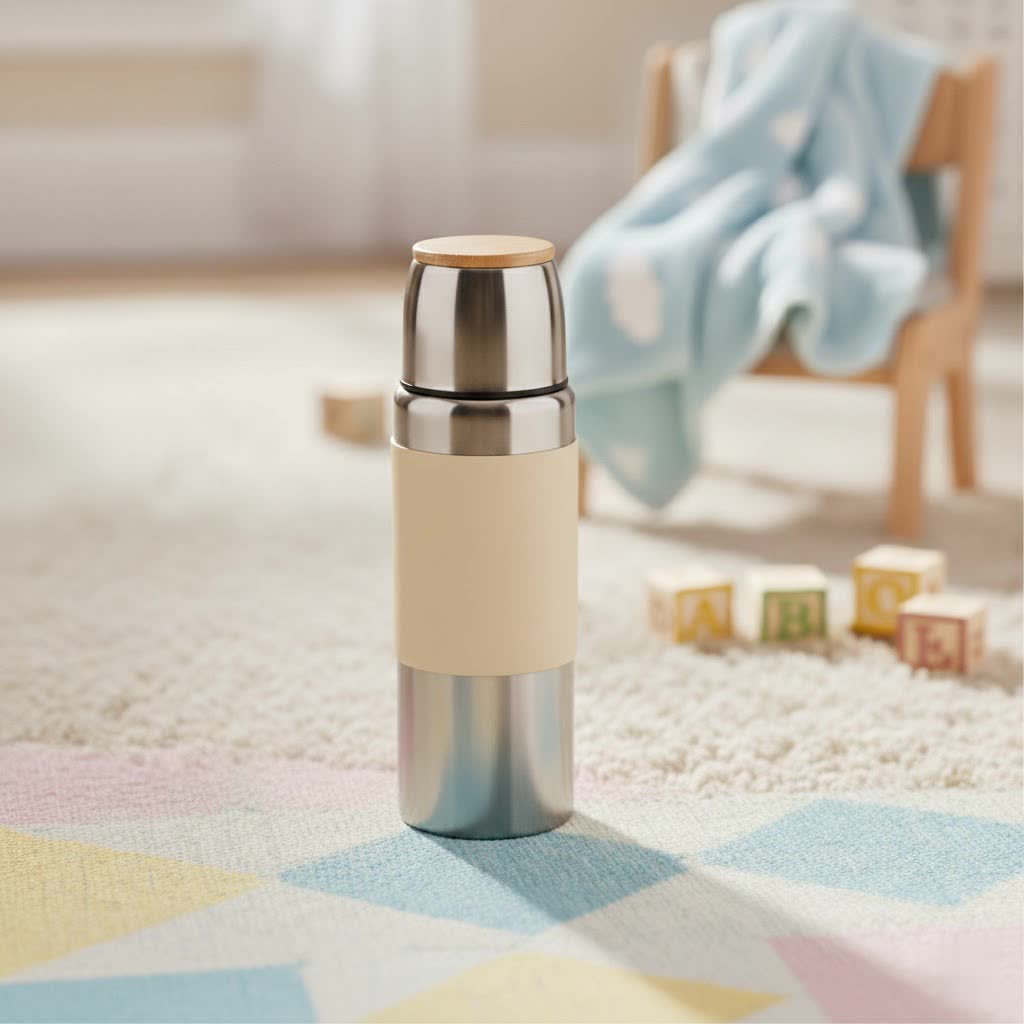
Staying hydrated is crucial for our well-being, and a reliable water bottle is your best companion. But with countless options on the market, finding the right one can feel overwhelming. If you’re seeking a compact, efficient, and versatile hydration solution, the 12 oz thermos water bottle stands out as an exceptional choice. Perfect for little hands, quick commutes, or simply maintaining a healthy fluid intake throughout the day, this guide will help you navigate the features and benefits to select your ideal bottle.
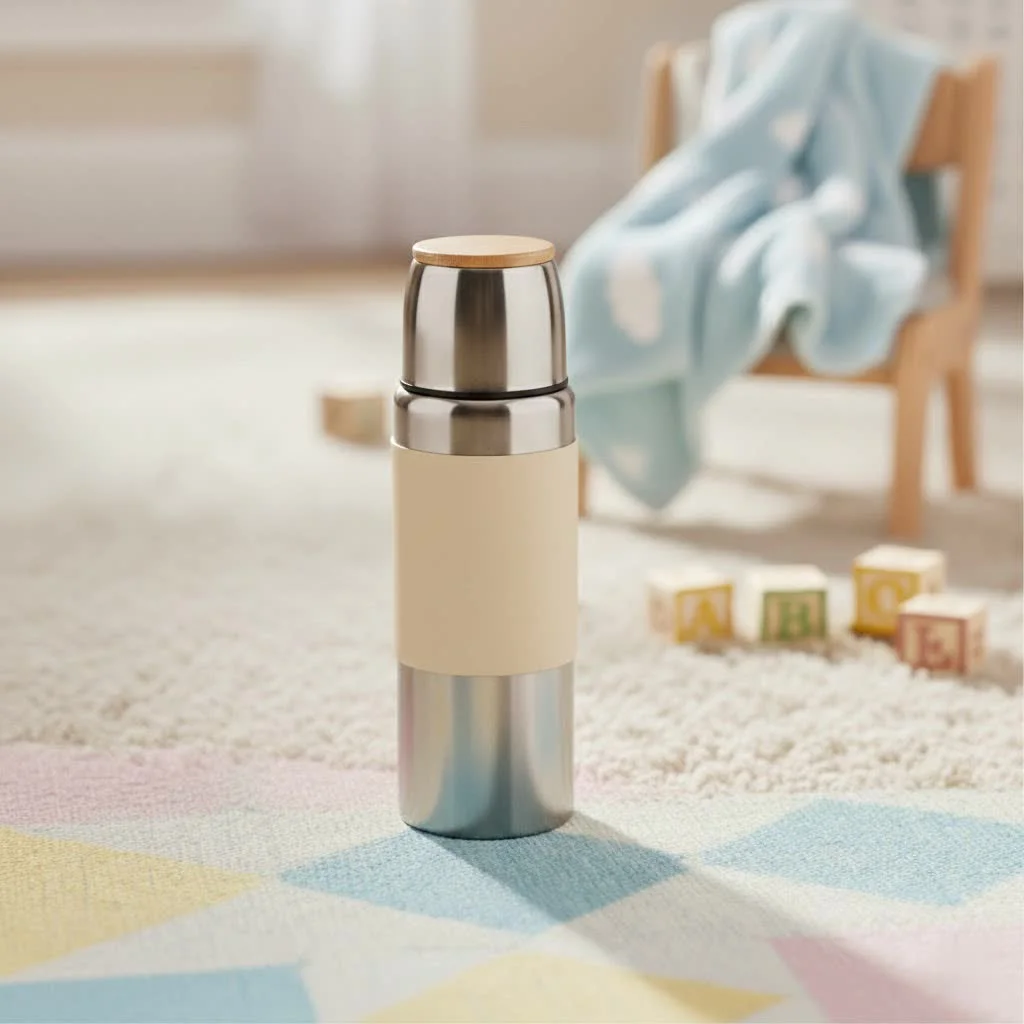
Understanding Thermos Bottles: More Than Just a Container
A thermos bottle, or insulated water bottle, is ingeniously designed to maintain the temperature of its contents for extended periods. This is primarily achieved through vacuum insulation technology, where a vacuum layer between two walls (usually stainless steel) prevents heat transfer. This simple yet effective design means your cold drinks stay refreshingly cool, and your hot beverages remain perfectly warm, often for several hours.
The benefits extend beyond just temperature control. Using a thermos bottle encourages consistent hydration, especially for water. It promotes healthier choices by reducing reliance on single-use plastic bottles, thus being more environmentally friendly. Furthermore, many modern thermos bottles are made from safe, durable materials like food-grade stainless steel, ensuring your drinks remain pure and free from harmful chemicals often found in some plastic alternatives.
Exploring Popular Thermos Bottle Types
Thermos bottles come in various forms, each suited for different needs. Understanding these distinctions is key to making an informed choice, particularly when considering the popular 12 oz size.
Classification by Material
The material of your thermos bottle significantly impacts its performance, durability, and safety.
- Stainless Steel Thermos Bottles: These are arguably the most popular and recommended type, especially for insulated bottles.
- Pros: Stainless steel, particularly 18/8 food-grade, offers exceptional durability, resistance to rust, and excellent insulation properties. It’s safe, doesn’t leach chemicals, and doesn’t retain flavors. Many 12 oz models, like the well-known Thermos FUNtainer, utilize stainless steel for robust performance.
- Cons: They can be heavier than plastic and may dent if dropped forcefully.
- Plastic Thermos Bottles: While some plastic bottles offer insulation, they are generally less effective than stainless steel.
- Pros: Lightweight and often more affordable.
- Cons: Insulation is usually inferior, and concerns about BPA (Bisphenol A) have led to a preference for “BPA-free” options. They are also less durable and can retain odors or stains over time.
- Glass Thermos Bottles: Known for purity of taste and easy cleaning.
- Pros: No chemical leaching, and your drink’s taste remains unaltered.
- Cons: Highly fragile and generally heavier, making them less practical for active use or for children. Insulation properties vary.
Classification by Capacity
|
Our Picks for the Best Thermos Bottle in 2026
As an Amazon Associate I earn from qualifying purchases.
|
||
| Num | Product | Action |
|---|---|---|
| 1 | THERMOS Stainless King Vacuum-Insulated Compact Bottle, 16 Ounce, Midnight Blue |

|
| 2 | THERMOS Stainless King Vacuum-Insulated Compact Bottle, 16 Ounce, Rustic Red |
|
| 3 | THERMOS ICON SERIES, Stainless Steel Water Bottle with Spout - 24 Ounce, Matte Stainless Steel - Vacuum Insulated Water Bottle with Lid |
|
| 4 | THERMOS ICON SERIES Stainless Steel Water Bottle with Spout - 24 Ounce, Saddle - Vacuum Insulated Water Bottle with Lid |
|
| 5 | THERMOS ICON SERIES Stainless Steel Water Bottle with Spout - 24 Ounce, Glacier - Vacuum Insulated Water Bottle with Lid |
|
| 6 | THERMOS ICON SERIES, Stainless Steel Water Bottle with Spout - 24 Ounce, Melon - Vacuum Insulated Water Bottle with Lid |
|
| 7 | THERMOS Stainless King Vacuum-Insulated Compact Bottle, 16 Ounce, Matte Steel |
|
| 8 | THERMOS ICON SERIES, Stainless Steel Water Bottle with Spout - 24 Ounce, Plum - Vacuum Insulated Water Bottle with Lid |
|
| 9 | Insulated Thermo Water Bottle with Handle 20oz Stainless Steel Water Bottle Metal Water Flask Water Bottle for Hot and Cold Drink for Hiking, Workout, Gym, Travel (Green, 600ml) |
|
| 10 | THERMOS ICON SERIES Stainless Steel Water Bottle with Spout - 24 Ounce, Granite - Vacuum Insulated Water Bottle with Lid |
|
The 12 oz thermos bottle falls into the smaller capacity category, perfect for specific hydration needs.
- Mini Bottles (Under 500ml / 17 oz): This category includes the 12 oz thermos bottle.
- Ideal for: Young children for school or play, short errands, gym sessions, or those who prefer to refill frequently. Their compact size makes them incredibly portable and easy to carry in small bags or lunchboxes.
- Medium Bottles (500ml – 1 Liter): Suitable for daily use in an office, moderate exercise, or longer commutes.
- Large Bottles (Over 1 Liter): Best for extended outdoor activities, sharing drinks, or all-day hydration without refills.
Classification by Intended Use
The design and features of a thermos bottle can be tailored to its primary purpose.
- For Office Workers: Often feature sleek designs, easy-to-open lids, and non-slip bottoms, suitable for a desk environment.
- For Children: The 12 oz thermos water bottle, especially models like the Thermos FUNtainer, is exceptionally popular. These typically boast durable stainless steel construction, vibrant designs featuring popular characters, hygienic push-button lids with pop-up straws, and integrated carry handles, all designed to be leak-proof and easy for kids to manage.
- For Athletes: Prioritize extreme durability, robust leak-proof seals, and often one-handed operation for quick sips during workouts.
Comparing Thermos Bottle Types
To help you visualize the differences, here’s a quick comparison of common thermos bottle characteristics:
| Feature | Stainless Steel Thermos | Plastic Thermos | Glass Thermos |
|---|---|---|---|
| Insulation | Excellent | Moderate / Limited | Varies |
| Durability | High (dent-resistant) | Low to Medium | Low (fragile) |
| Safety | High (food-grade) | Varies (BPA-free crucial) | High |
| Taste Purity | High | Can retain flavors | Excellent |
| Weight | Medium | Low | High |
| Ideal for 12 oz | Yes (Kids, quick trips) | Less common for insulation | Not practical |
| Price Range | Medium to High | Low to Medium | Medium |
How to Choose Your Perfect 12 oz Thermos Water Bottle
Selecting the right thermos bottle involves a few key considerations to ensure it perfectly matches your lifestyle.
Define Your Hydration Needs
Start by asking yourself:
- What is its primary purpose? Is it for your child’s lunchbox, your daily dose of cold water at your desk, or a quick grab-and-go for errands? For kids, a 12 oz stainless steel bottle with a straw is often ideal.
- What capacity do you truly need? For frequent refills or small sips, a 12 oz bottle is perfectly portable and manageable. If you need all-day hydration without access to refills, you might consider a larger size, but for targeted use, 12 oz is highly efficient.
- Which material do you prefer? For durability and superior temperature retention, stainless steel is the clear winner for a 12 oz thermos.
Opt for Reputable Brands
Investing in a well-known brand often guarantees quality, safety, and customer support. Thermos, for example, is synonymous with insulated products, and their FUNtainer line is a popular choice for 12 oz kids’ bottles. Other respected brands in the insulated bottle space include Stanley and Zojirushi, though they may not focus specifically on the 12 oz capacity as prominently as Thermos for water bottles. Look into their warranty policies and customer service reputation.
Scrutinize Product Quality
Before purchasing, carefully examine the product details:
- Leak-Proof Design: This is paramount, especially for bags and backpacks. A secure lid mechanism, often a push-button with a pop-up straw, is a strong indicator of good design.
- Materials: Ensure it’s made from high-quality, food-grade materials like 18/8 stainless steel and is BPA-free for any plastic components.
- Ease of Cleaning: Can the lid and straw components be easily disassembled for thorough cleaning to prevent mold or odors? Many reputable 12 oz bottles offer dishwasher-safe components, although handwashing is often recommended for longevity.
- Features: An integrated carry handle, a sweat-proof exterior, and a hygienic covered straw are all valuable features that enhance usability.
Leverage User Reviews
Real-world feedback from other users is invaluable. Online reviews can provide insights into a bottle’s actual performance regarding insulation, durability, and ease of cleaning over time. Pay attention to comments about leaks, how well it withstands drops, and if it truly keeps drinks cold for the advertised duration.
Maximizing Your Thermos Bottle Experience: Tips for Use and Maintenance
Getting the most out of your 12 oz thermos water bottle requires proper usage and care.
- Pre-Conditioning: For maximum temperature retention, pre-chill your bottle with cold water or pre-warm it with hot water for 5-10 minutes before adding your desired beverage.
- Filling: Fill your bottle as much as possible, leaving minimal air space, as air can affect insulation efficiency.
- Cleaning: Wash your bottle regularly. For models with straws and intricate lids, disassemble all parts to clean thoroughly, especially the straw. Many stainless steel bodies are top-rack dishwasher safe, but handwashing is often gentler on seals and decorative prints. Avoid abrasive cleaners that can scratch the finish.
- Avoid Carbonated Drinks: Unless specifically stated, many insulated bottles are not designed for carbonated beverages, as pressure buildup can cause leaks or damage to the lid.
- Storage: Store your bottle with the lid off or slightly ajar to allow air circulation and prevent any residual moisture from creating odors.
A high-quality 12 oz thermos water bottle is an investment in convenient, healthy hydration. Its compact size and efficient insulation make it a standout choice for various daily needs, especially for children.
“A great 12 oz thermos bottle isn’t just about keeping drinks cold; it’s about encouraging consistent hydration with a design that fits seamlessly into a busy, active lifestyle. Durability and ease of cleaning are paramount for everyday use.” – John Smith, Hydration Product Specialist
By considering your specific requirements and focusing on quality features, you can confidently select a bottle that serves you well for years to come. What’s the most important feature you look for in a compact water bottle?
Frequently Asked Questions
Is a 12 oz thermos water bottle sufficient for an adult’s daily hydration?
A 12 oz thermos water bottle is generally not sufficient for an adult’s entire daily hydration needs, which are typically much higher. However, it is perfect for short outings, a quick drink at the gym, or as a convenient top-up bottle. For full-day hydration, adults usually need a larger capacity bottle or to refill their 12 oz bottle multiple times.
Can I put hot beverages in a 12 oz Thermos FUNtainer water bottle?
Thermos FUNtainer 12 oz water bottles, particularly those with straws, are primarily designed to keep drinks cold. While the vacuum insulation can technically retain heat, the straw design is not ideal for hot liquids due to potential scalding risks. Always check the specific product instructions, but generally, it’s best to use them for cold beverages only.
How do I prevent my 12 oz thermos bottle from leaking?
To prevent leaks, ensure the lid is properly screwed on or latched, and that all seals (including around the straw if applicable) are correctly in place and free from damage or debris. Regularly check gaskets and O-rings for wear and tear, and replace them if necessary. Avoid overfilling the bottle, especially with cold drinks that might expand slightly in warmer conditions.
Get our weekly buyer guide
Practical specs, not advice. Unsubscribe anytime.
