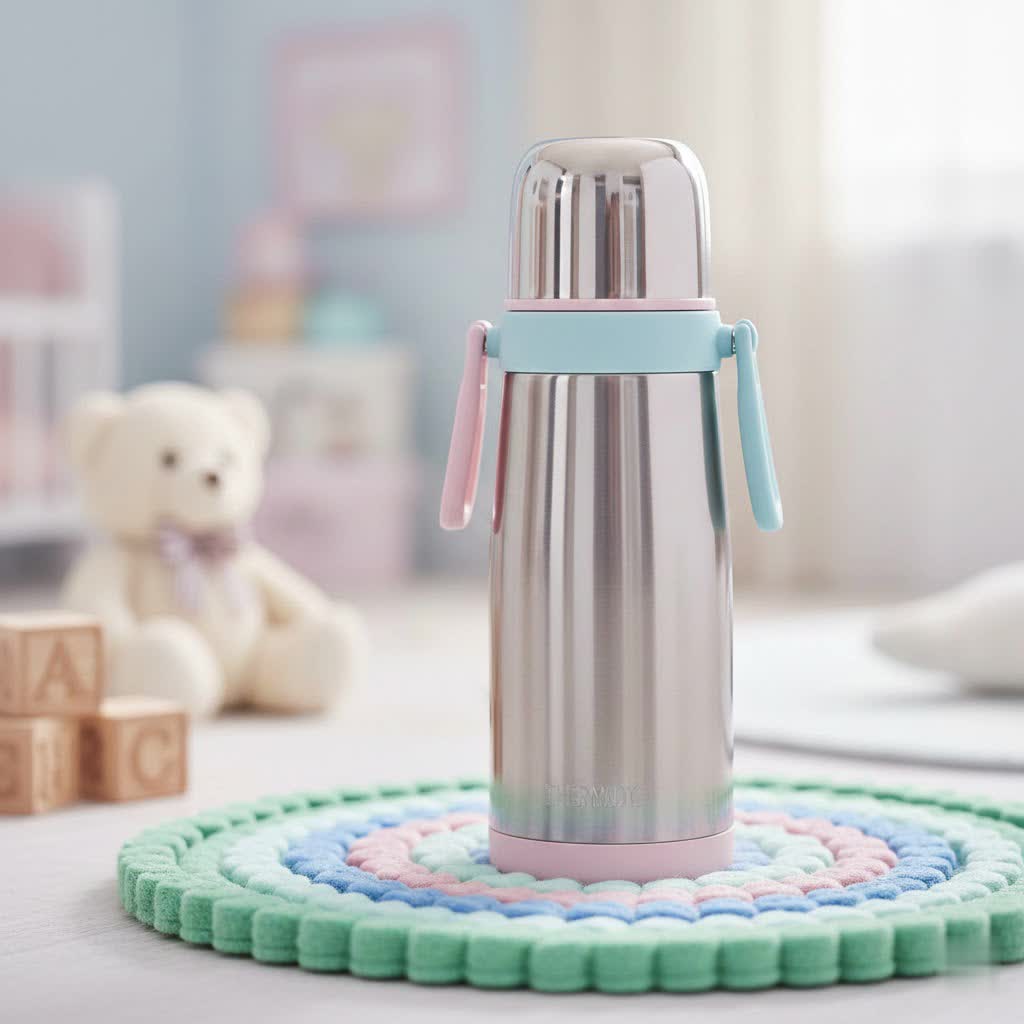
Staying consistently hydrated is a cornerstone of overall well-being, yet for many, achieving daily water intake goals can be a challenge amidst busy schedules. The temperature of your drink often plays a significant role in how much you consume. Who wants lukewarm water on a scorching day or cold coffee when it’s freezing outside? This is precisely where a high-quality thermos bottle becomes an indispensable ally. Far more than just a simple container, a well-chosen thermos bottle actively supports your hydration habits, ensuring your beverages are always at their ideal temperature, encouraging you to sip and stay refreshed throughout your day.
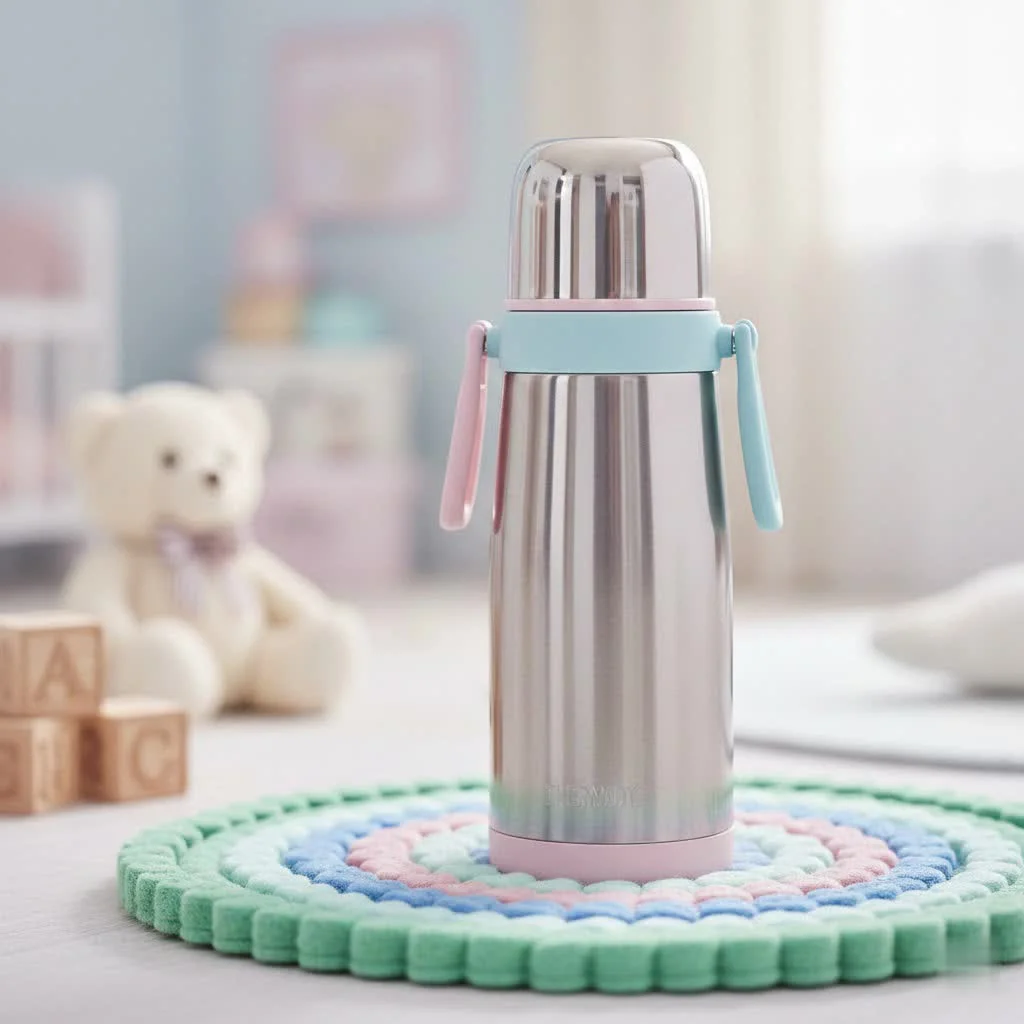
This comprehensive guide delves into everything you need to know about thermos bottles. We’ll explore their ingenious design, the diverse types available, their myriad benefits, and provide an expert roadmap to help you select, use, and maintain the perfect thermos bottle to elevate your personal hydration journey.
What is a Thermos Bottle? Why Do You Need One?
A thermos bottle, often referred to as a vacuum flask, is an insulated storage vessel designed to maintain the temperature of its contents for extended periods. Its core principle relies on vacuum insulation, a scientific marvel that dramatically slows down heat transfer. This is achieved by creating a near-vacuum between two walls of the flask, usually made of glass or stainless steel. This vacuum acts as a barrier, minimizing heat loss or gain through conduction and convection. Additionally, the reflective coatings on the inner walls help reduce heat transfer by radiation, ensuring your drink stays hot or cold for hours.
The benefits of incorporating a thermos bottle into your daily routine are extensive and directly contribute to better hydration and a more sustainable lifestyle:
- Optimal Temperature Retention: This is the flagship feature. Thermos bottles keep hot beverages steaming for up to 12-24 hours and cold drinks refreshingly chilled for 24 hours or more. This consistency ensures you always enjoy your drink exactly as intended, making hydration more appealing.
- Promotes Health and Safety: High-quality thermos bottles, especially those made from food-grade stainless steel, are inert and non-reactive. They won’t leach harmful chemicals like BPA, BPS, or phthalates into your water, unlike some plastics, particularly when exposed to heat or sunlight. They also prevent metallic tastes, ensuring a pure drinking experience.
- Environmental Responsibility: By opting for a reusable thermos bottle, you significantly reduce your reliance on single-use plastic bottles and disposable coffee cups. This small change contributes to minimizing plastic waste and its detrimental impact on our planet.
- Cost-Effectiveness: Carrying drinks from home in your thermos bottle saves you money on expensive bottled water, coffees, and teas bought on the go. Over time, these savings can be substantial.
- Convenience and Portability: Designed for life on the move, thermos bottles offer leak-proof lids, easy-to-carry handles or loops, and often fit in car cup holders and backpack pockets. They eliminate condensation (“sweating”), keeping your hands, bag, and belongings dry.
Popular Types of Thermos Bottles
Thermos bottles come in a variety of designs, materials, capacities, and specialized features, each catering to different needs and lifestyles. Understanding these distinctions is key to finding your ideal hydration companion.
Classification by Material
|
Our Picks for the Best Thermos Bottle in 2026
As an Amazon Associate I earn from qualifying purchases.
|
||
| Num | Product | Action |
|---|---|---|
| 1 | THERMOS ICON SERIES, Stainless Steel Water Bottle with Spout - 24 Ounce, Matte Stainless Steel - Vacuum Insulated Water Bottle with Lid |

|
| 2 | THERMOS Stainless King Vacuum-Insulated Compact Bottle, 16 Ounce, Matte Steel |
|
| 3 | Insulated Thermo Water Bottle with Handle 20oz Stainless Steel Water Bottle Metal Water Flask Water Bottle for Hot and Cold Drink for Hiking, Workout, Gym, Travel (Green, 600ml) |
|
| 4 | THERMOS ICON SERIES Stainless Steel Water Bottle with Spout - 24 Ounce, Saddle - Vacuum Insulated Water Bottle with Lid |
|
| 5 | THERMOS ICON SERIES, Stainless Steel Water Bottle with Spout - 24 Ounce, Melon - Vacuum Insulated Water Bottle with Lid |
|
| 6 | THERMOS ICON SERIES Stainless Steel Water Bottle with Spout - 24 Ounce, Granite - Vacuum Insulated Water Bottle with Lid |
|
| 7 | THERMOS Stainless King Vacuum-Insulated Compact Bottle, 16 Ounce, Midnight Blue |
|
| 8 | THERMOS ICON SERIES, Stainless Steel Water Bottle with Spout - 24 Ounce, Plum - Vacuum Insulated Water Bottle with Lid |
|
| 9 | THERMOS ICON SERIES Stainless Steel Water Bottle with Spout - 24 Ounce, Glacier - Vacuum Insulated Water Bottle with Lid |
|
| 10 | THERMOS Stainless King Vacuum-Insulated Compact Bottle, 16 Ounce, Rustic Red |
|
The material of your thermos bottle greatly influences its performance, durability, and safety.
- Stainless Steel Thermos Bottles:
- Pros: This is arguably the most popular choice due to its exceptional durability and superior insulation properties, typically featuring double-wall vacuum insulation. Stainless steel is highly impact-resistant, virtually unbreakable, and resists dents and scratches, making it ideal for active lifestyles. It’s also non-toxic, rust-resistant, and won’t impart flavors to your beverages.
- Cons: Generally heavier and can be more expensive than plastic alternatives.
- Plastic Thermos Bottles (e.g., Tritan, Thermoware):
- Pros: Lightweight, affordable, and often come in a wide array of colors and designs. Many modern plastic bottles are made from BPA-free materials like Eastman Tritan copolyester, ensuring safety. Some “thermoware” plastic bottles use PU (polyurethane) insulation between double plastic walls, primarily for keeping liquids cold for a few hours.
- Cons: Their insulation properties are generally not as strong as stainless steel, particularly for hot beverages. They can also wear out over time, potentially cracking or leaking, and some plastics may retain odors.
- Glass Thermos Bottles (with protective sleeve):
- Pros: Glass is celebrated for being eco-friendly and offering the purest taste, as it’s non-porous and doesn’t leach any chemicals. They are often aesthetically pleasing.
- Cons: The main drawback is fragility. Glass is susceptible to breaking if dropped, making it less suitable for rugged outdoor activities. They also tend to be heavier and may have less effective insulation compared to vacuum-sealed stainless steel.
Classification by Capacity
The right capacity depends on your daily hydration needs and where you plan to use your bottle.
- Mini (Under 500ml): These compact bottles are perfect for short commutes, quick errands, or for children’s lunchboxes. Their small size makes them easy to carry in a handbag or small backpack.
- Medium (500ml – 1 liter): This is the most versatile range, ideal for daily office use, school, gym sessions, or moderate outdoor activities. They provide a good balance between hydration volume and portability.
- Large (Over 1 liter): Designed for serious hydration needs, long hikes, extended travel, family outings, or sharing beverages. These ensure you have ample liquid without frequent refills.
Classification by Usage Purpose
Thermos bottles are often designed with specific activities in mind.
- For Office Workers: Look for sleek, professional designs, usually in medium capacities, with features like non-slip bases and easy-sip lids for minimal distractions during work.
- For Children: Prioritize safety features such as durable, impact-resistant materials (like BPA-free plastic or robust stainless steel), leak-proof seals, and easy-to-open mechanisms. Fun designs and smaller capacities are also important.
- For Athletes and Outdoor Enthusiasts: Robust construction, excellent insulation (for extreme temperatures), larger capacities, and specialized features like strong carrying loops (e.g., carabiner loops), multi-flow lids for quick hydration, and textured grips for secure handling are crucial.
Comparison Table of Popular Thermos Bottle Types
| Feature | Stainless Steel Insulated Bottle | Plastic Thermos Bottle (e.g., Tritan/Thermoware) | Glass Thermos Bottle (with sleeve) |
|---|---|---|---|
| Material | Food-grade Stainless Steel (often 18/8 or 304 grade) | BPA-free Tritan plastic, or other plastics (often double-walled) | Borosilicate glass (usually with silicone or fabric sleeve) |
| Insulation Mechanism | Double-wall vacuum insulation | Air space between walls, sometimes PU foam (thermoware) | Air space between walls (some double-walled), or single wall |
| Temperature Retention | Excellent (Hot: 12-24+ hrs, Cold: 24+ hrs) | Moderate (Cold: ~4 hrs, Hot: limited/not recommended) | Good for short periods, better with double-wall (Hot/Cold: ~2-6 hrs) |
| Durability | Very High (impact-resistant, long-lasting) | Moderate (can scratch, crack over time, less impact-resistant than SS) | Low (fragile, susceptible to breaking if dropped) |
| Safety | Very High (non-leaching, no metallic taste) | High (BPA-free options available) | Very High (non-leaching, purest taste) |
| Weight | Moderate to Heavy | Light | Moderate to Heavy |
| Price Range | Mid to High | Low to Mid | Mid |
| Best Use Cases | Everyday, office, outdoor adventures, travel, gym, keeping drinks very hot or cold for long durations. | Daily hydration for cold drinks, kids, casual use, when lightweight is a priority. | Home use, gentle office use, pure taste preference, aesthetic appeal. |
Guide to Choosing the Perfect Thermos Bottle
Selecting the ideal thermos bottle involves a thoughtful consideration of your individual needs and the product’s quality features.
1. Determine Your Usage Needs
Start by asking yourself key questions:
- What is its primary purpose? Will it be for your morning coffee on the commute, cold water at the gym, or soup for a family picnic?
- What capacity do you need? A small bottle for individual sips or a large one for all-day hydration or sharing?
- Which material do you prefer? Do you prioritize ultimate durability (stainless steel), lightweight portability (plastic), or the purest taste (glass)?
- How important is temperature retention? Do you need 24-hour performance or just a few hours?
2. Choose a Reputable Brand
Investing in a well-known brand like Thermos, Stanley, Hydro Flask, or YETI often guarantees quality, reliability, and better customer support. These brands typically adhere to higher manufacturing standards and offer clearer warranty policies. For instance, Thermos brand water bottles often feature thoughtful engineering for effective hydration, including vacuum insulation technology and hygienic spouts.
3. Check Product Quality
A thorough inspection can reveal a lot about a thermos bottle’s quality.
- Visual Examination: Look for a smooth, uniform finish with no dents, scratches, or imperfections. Ensure all parts, especially the lid and seals, fit together tightly and securely. For glass bottles, confirm the glass is clear and free from any unusual coloration or spots.
- Smell Test: Open the bottle and take a sniff. A strong, unpleasant chemical smell could indicate poor-quality materials that might leach into your drink.
- Weight: A good quality insulated bottle, especially stainless steel, should have a noticeable but not excessively heavy weight. Extremely lightweight options might signal inferior insulation.
- Lid Design and Leak-Proofing: The lid is critical. It should seal tightly to prevent leaks and maximize temperature retention. Consider different lid types – screw-on, flip-top, push-button, or those with built-in straws – based on your preferred drinking style and ease of cleaning.
- Insulation Performance: While direct testing isn’t usually possible before purchase, reputable brands provide clear claims about their hot and cold retention times. Cross-reference these with independent reviews.
4. Read User Reviews and Expert Opinions
Before making a final decision, consult reviews from other users and expert assessments. These can offer valuable real-world insights into a bottle’s performance, durability, and any common issues. For example, some Thermos hydration bottles, like the “Intak” model, have a rotating intake meter to manually track water consumption, a feature appreciated by those focused on daily H2O goals.
Tips for Using and Caring for Your Thermos Bottle
Proper use and regular maintenance are crucial to maximizing your thermos bottle’s lifespan and maintaining its effectiveness.
Effective Use for Optimal Performance
- Pre-heating or Pre-cooling: For best results, pre-fill your thermos with hot water (for hot drinks) or cold water/ice (for cold drinks) for 5-10 minutes before adding your beverage. This primes the inner wall to the desired temperature.
- Fill Level: Filling the bottle to its recommended capacity helps maintain temperature. A partially filled bottle will lose heat or cold faster because there’s more air space.
- Secure the Lid: Always ensure the lid is tightly sealed. Any gap can lead to significant temperature loss and leaks.
Proper Cleaning and Maintenance
Daily cleaning is essential to prevent odors, bacterial growth, and residue buildup.
- Daily Clean: After each use, empty the bottle and rinse it with warm water. Then, fill it partially with warm, soapy water (using a mild dish detergent). Shake it thoroughly, use a bottle brush to scrub the interior, especially hard-to-reach areas, and rinse completely with clean water.
- Deep Clean for Stains and Odors:
- Vinegar Soak: For stubborn stains or lingering odors, fill the bottle with a solution of one part white vinegar to two parts water and let it sit overnight. Rinse thoroughly in the morning.
- Baking Soda Paste: Alternatively, create a paste with baking soda and a small amount of water. Apply it to the inside of the bottle, let it sit for a few hours, then scrub with a brush and rinse.
- Caution: Do not mix vinegar or baking soda with dishwashing liquid for these deep cleans, as it can cause foaming reactions.
- Lid Disassembly: Many lids have multiple components, gaskets, and spouts that can harbor bacteria. Disassemble the lid according to the manufacturer’s instructions and clean all parts thoroughly with a brush and soapy water. Pay special attention to silicone seals and drinking spouts.
- Air Dry Completely: After cleaning, always allow your thermos bottle and all its components to air dry completely with the lid off before reassembling and storing. This prevents moisture buildup, which can lead to mold, mildew, and unpleasant odors.
- Avoid Harsh Chemicals and Tools: Do not use bleach, abrasive cleaners, or metal scrubbers, as these can damage the bottle’s finish, insulation, or internal lining.
- No Microwave: Never place a thermos bottle, especially stainless steel or those with metal components, in a microwave.
> “The secret to a long-lasting thermos bottle isn’t just its initial quality, but the consistent care you give it. Simple daily rinsing and occasional deep cleaning can make a world of difference in preventing odors and preserving its thermal efficiency.” – Dr. Elena Petrova, Material Science Engineer specializing in Thermal Insulation.
Conclusion
Embracing a thermos bottle for your daily hydration needs is a smart, sustainable, and satisfying choice. From keeping your invigorating cold water icy on the hottest days to preserving the comforting warmth of your favorite hot beverage, these ingenious vessels make consistent hydration effortless and enjoyable. By understanding the different materials, capacities, and specialized features, and by following simple care routines, you can select a high-quality thermos bottle that perfectly aligns with your lifestyle and contributes significantly to your health and the environment.
So, are you ready to unlock the full potential of perfectly tempered hydration and make every sip count?
Frequently Asked Questions
How does vacuum insulation work to keep drinks hot or cold?
Vacuum insulation works by creating a space devoid of air between two layers of the bottle. Since heat transfer primarily occurs through conduction (touching solids), convection (movement of liquids/gases), and radiation, removing the air in this gap largely eliminates conduction and convection. Reflective inner coatings further reduce heat transfer by radiation, effectively creating a barrier that maintains the internal temperature for extended periods.
Is it safe to put both hot and cold liquids in the same thermos bottle?
Yes, most high-quality thermos bottles, especially those made from stainless steel with vacuum insulation, are designed to safely hold both hot and cold liquids. The robust construction and materials ensure they can withstand temperature fluctuations without damage. However, always check the manufacturer’s instructions, as some specific plastic hydration bottles might be designed only for cold liquids.
How often should I clean my thermos bottle, and can I put it in the dishwasher?
For optimal hygiene and to prevent odors, it’s best to rinse and wash your thermos bottle with warm, soapy water after every use. For deeper cleaning or stubborn odors, a weekly soak with vinegar or baking soda is recommended. While some components or entire bottles might be labeled “dishwasher safe,” hand washing is often preferred to preserve the integrity of the seals, finishes, and insulation over time. Always check specific product instructions.
Get our weekly buyer guide
Practical specs, not advice. Unsubscribe anytime.
