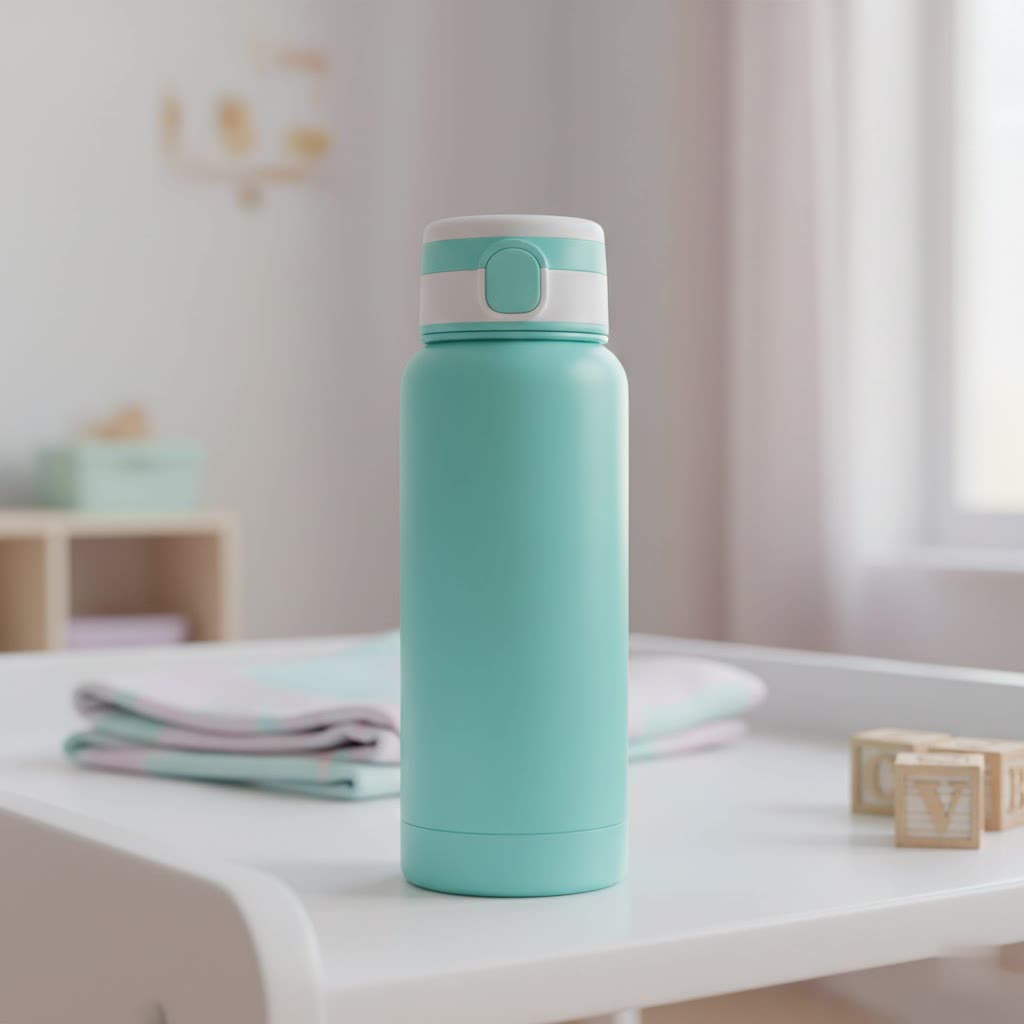
Staying hydrated throughout the day is crucial for your health and well-being. But let’s be honest, fumbling with a screw-top lid or dealing with spills on the go can be a hassle. That’s where the thermos straw bottle revolutionizes your drinking experience. Imagine a world where your beverage stays perfectly chilled, and you can sip conveniently with just one hand, all without a single drop escaping. This comprehensive guide will navigate you through everything you need to know about thermos straw bottles, ensuring you find the perfect companion for your daily hydration needs.
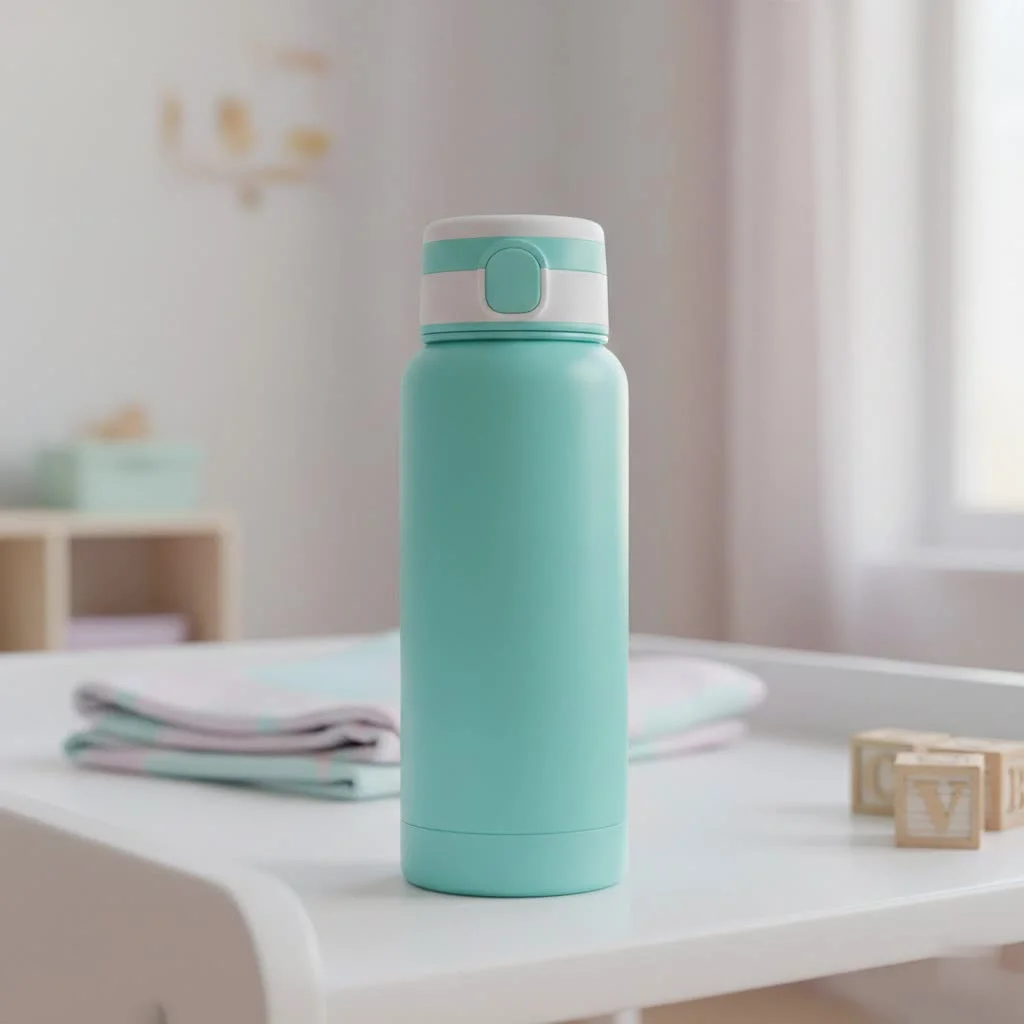
What is a Thermos Straw Bottle? Why Do You Need One?
A thermos straw bottle is an ingeniously designed hydration vessel that combines the superior temperature retention of a traditional thermos with the unparalleled convenience of an integrated straw. Unlike standard insulated bottles that often require you to unscrew a cap and tilt to drink, which can be messy and impractical when you’re active, a thermos straw bottle features a sealed, leak-proof straw system directly built into the lid. This allows for effortless, continuous sipping without interrupting your rhythm, whether you’re driving, working out, or simply engrossed in a task. For complete thermos bottles library on this site.
The primary advantage of these bottles lies in their vacuum insulation technology. This double-walled construction creates an almost airless space between the inner and outer walls, significantly slowing down heat transfer. This means your water stays icy cold for hours on end, and while many straw bottles are primarily designed for cold liquids, some specialized versions can also keep drinks warm. Beyond temperature control, these bottles offer a range of benefits including spill protection, enhanced hygiene with covered straws, and a durable, often eco-friendly alternative to single-use plastics.
Popular Types of Thermos Straw Bottles
Thermos straw bottles come in various forms, primarily distinguished by their material, capacity, and intended use, each offering unique advantages for different lifestyles.
Classification by Material
- Stainless Steel Thermos Straw Bottles: These are the most common and highly recommended type. Constructed from food-grade stainless steel, typically 18/8 (304 grade), they offer excellent durability and insulation.
- Pros: Superior temperature retention, highly resistant to dents, scratches, and rust. Stainless steel is inert, meaning it won’t leach harmful chemicals like BPA into your drinks or impart any metallic taste. They are built to last for years, making them a sustainable choice.
- Cons: Generally heavier and can be more expensive than plastic alternatives. While durable, severe drops can still cause dents that might affect aesthetics or function.
- Plastic Thermos Straw Bottles (BPA-Free): Some insulated bottles use BPA-free plastics, particularly for the lid and straw components, or as the primary bottle material for non-thermos designs.
- Pros: Lightweight and often more affordable. Can sometimes be transparent, allowing you to see the liquid level.
- Cons: Typically offer less effective temperature retention compared to stainless steel. They are generally less durable, more prone to scratches, and can sometimes retain odors or flavors over time. Most plastic straw bottles are not designed for hot liquids.
- Glass Thermos Straw Bottles: While rare for insulated straw bottles, glass bottles are appreciated for their purity and aesthetic.
- Pros: Provides the purest taste, as glass is non-porous and doesn’t interact with liquids. Visually appealing.
- Cons: Extremely fragile and heavy, making them impractical for active use or for children. They offer very minimal insulation compared to vacuum-insulated designs.
Classification by Capacity
|
Our Picks for the Best Thermos Bottle in 2026
As an Amazon Associate I earn from qualifying purchases.
|
||
| Num | Product | Action |
|---|---|---|
| 1 | THERMOS ICON SERIES Stainless Steel Water Bottle with Spout - 24 Ounce, Granite - Vacuum Insulated Water Bottle with Lid |

|
| 2 | THERMOS ICON SERIES Stainless Steel Water Bottle with Spout - 24 Ounce, Saddle - Vacuum Insulated Water Bottle with Lid |
|
| 3 | Insulated Thermo Water Bottle with Handle 20oz Stainless Steel Water Bottle Metal Water Flask Water Bottle for Hot and Cold Drink for Hiking, Workout, Gym, Travel (Green, 600ml) |
|
| 4 | THERMOS Stainless King Vacuum-Insulated Compact Bottle, 16 Ounce, Midnight Blue |
|
| 5 | THERMOS Stainless King Vacuum-Insulated Compact Bottle, 16 Ounce, Rustic Red |
|
| 6 | THERMOS ICON SERIES, Stainless Steel Water Bottle with Spout - 24 Ounce, Melon - Vacuum Insulated Water Bottle with Lid |
|
| 7 | THERMOS ICON SERIES, Stainless Steel Water Bottle with Spout - 24 Ounce, Matte Stainless Steel - Vacuum Insulated Water Bottle with Lid |
|
| 8 | THERMOS Stainless King Vacuum-Insulated Compact Bottle, 16 Ounce, Matte Steel |
|
| 9 | THERMOS ICON SERIES Stainless Steel Water Bottle with Spout - 24 Ounce, Glacier - Vacuum Insulated Water Bottle with Lid |
|
| 10 | THERMOS ICON SERIES, Stainless Steel Water Bottle with Spout - 24 Ounce, Plum - Vacuum Insulated Water Bottle with Lid |
|
Choosing the right size is crucial for convenience and functionality.
- Mini Bottles (Under 500ml / 17 oz):
- Who it’s for: Ideal for young children, quick errands, or those who prefer very compact hydration.
- Advantages: Small, lightweight, and easy to carry in small bags or lunchboxes. Perfect for keeping a small drink cool for a few hours.
- Medium Bottles (500ml – 1 Litre / 17 – 34 oz):
- Who it’s for: The most versatile option for everyday use, commuters, office workers, or light sports activities.
- Advantages: Offers a good balance between capacity and portability. Fits most cup holders and backpack pockets, providing ample hydration for several hours.
- Large Bottles (Over 1 Litre / 34 oz):
- Who it’s for: Athletes, hikers, those on long trips, or individuals with high daily hydration needs who want fewer refills.
- Advantages: Maximizes hydration capacity, reducing the need for frequent refills. Often features sturdy handles for easier transport.
Classification by Purpose of Use
The design and features of a thermos straw bottle can be tailored for specific activities.
- For Office Workers & Commuters:
- Design & Features: Often sleek and professional in appearance, fitting comfortably in car cup holders and laptop bags. Key features include reliable leak-proof lids with easy one-handed operation for sipping while driving or at a desk.
- For Children:
- Design & Features: Prioritize safety, durability, and ease of use. They often feature bright colors, fun characters, and covered silicone straws to prevent germs and spills. An integrated handle makes them easy for small hands to carry. It is crucial to note that most children’s straw bottles are not suitable for hot liquids to prevent scalding.
- For Sports & Outdoor Activities:
- Design & Features: Built to withstand rigorous conditions, these bottles boast robust construction, enhanced grip surfaces, and often larger capacities. Leak-proof designs are paramount, and some may feature carabiner clips or sturdy handles for attaching to gear. The straw allows for quick sips without breaking stride during exercise.
Comparison Table: Thermos Straw Bottles at a Glance
Choosing the right thermos straw bottle involves weighing various factors. This table provides a quick overview of common types based on key criteria.
| Feature / Type | Stainless Steel Straw Bottle | Plastic Straw Bottle (BPA-Free) |
|---|---|---|
| Primary Material | 18/8 or 304 Food-Grade Stainless Steel | BPA-Free Polypropylene, Tritan |
| Insulation | Excellent (Vacuum Insulation) | Fair to Good (Air/Foam Insulation) |
| Temperature Retention | Cold: 12-24+ hours; Hot: Limited (check product) | Cold: 2-6 hours; Hot: Not recommended (safety) |
| Durability | High (Dent-resistant, impact-resistant) | Moderate (Prone to scratches, cracking) |
| Leak-Proof | Generally excellent with good lid design | Varies widely, often less reliable |
| Taste Purity | Excellent (No taste transfer) | Can sometimes retain odors/flavors |
| Weight | Moderate to Heavy | Lightweight |
| Price Range | Moderate to High | Low to Moderate |
| Ease of Cleaning | Good (Wide mouth, removable parts) | Good (Removable parts, sometimes dishwasher safe) |
| Key Features | Covered straw, push-button lid, safety lock | Flip-up straw, integrated handle, fun designs |
| Ideal For | Everyday, kids (cold), office, light sports | Casual use, very young children (cold) |
How to Choose the Perfect Thermos Straw Bottle
Selecting the ideal thermos straw bottle requires a thoughtful approach, considering your personal hydration habits and lifestyle. Here’s a step-by-step guide to help you make an informed decision.
1. Determine Your Usage Needs
Start by understanding why you need a thermos straw bottle.
- Purpose: Will you primarily use it for daily commuting, school, gym workouts, hiking, or travel? A rugged, larger capacity bottle might be best for outdoor adventures, while a sleek, compact one suits office use.
- Capacity: How much liquid do you consume at a time, or need to carry? A child needs a smaller bottle (10-12 oz), whereas an athlete might prefer a 32 oz or larger option to minimize refills.
- Temperature Requirements: Are you strictly looking for cold drinks, or do you also need to keep liquids hot? Many straw bottles, especially those for kids, are explicitly designed only for cold liquids due to safety concerns and potential straw material damage from heat. Always check the manufacturer’s specifications.
- Portability: Does it need to fit in a car cup holder, a backpack side pocket, or a child’s lunchbox? Measure your common storage spots before buying.
2. Consider Key Features
A good thermos straw bottle is more than just a container; its features enhance your experience.
- Straw Design: Look for a straw that is comfortable to drink from and easy to clean. Many feature flip-up or covered straws for hygiene, protecting the mouthpiece from dirt and germs. Some have bite valves for controlled flow. Ensure the straw is removable for thorough cleaning.
- Lid Mechanism: A push-button lid allows for effortless one-handed opening, which is perfect when you’re busy. A safety lock feature is highly recommended to prevent accidental spills, particularly if the bottle will be tossed into a bag.
- Material Safety: Always opt for bottles made from BPA-free plastics for lid and straw components, and food-grade stainless steel for the body. This ensures your drinks remain free from harmful chemicals.
- Ease of Cleaning: A bottle with a wide mouth is easier to fill with ice and simplifies cleaning. Ensure all straw and lid components can be easily disassembled for thorough washing to prevent mold and odors.
- Durability: For active users or children, a robust stainless steel construction is paramount to withstand drops and daily wear and tear.
3. Research Reputable Brands
Investing in a well-known brand often guarantees higher quality, better performance, and reliable customer service. Brands like Thermos (especially their FUNtainer and Icon series for kids), Hydro Flask, Takeya, Simple Modern, and Yeti are highly regarded in the insulated drinkware market. While Yeti is known for its insulation, some of their straw lids can be difficult for small children to open. [cite: 2 (The Best Water Bottle for Kids | Tested & Ranked – BabyGearLab)] Always investigate the brand’s warranty and return policies.
4. Read User Reviews
Online reviews offer invaluable insights into real-world performance. Pay close attention to comments regarding leak-proof capabilities, durability after drops, ease of cleaning, and how long drinks truly stay cold. User feedback can highlight common issues or unexpected benefits that specifications alone might not reveal.
Tips for Using and Maintaining Your Thermos Straw Bottle
Proper care and usage are essential to maximize the performance and longevity of your thermos straw bottle, ensuring safe and enjoyable hydration for years to come.
How to Use Your Thermos Straw Bottle Effectively
- Pre-Chill Your Bottle: For optimal cold retention, fill your bottle with ice water for 5-10 minutes before adding your desired cold beverage. This chills the inner walls, helping maintain temperature longer.
- Mind the Temperature for Straws: Crucially, most thermos straw bottles, especially those designed for kids, are intended only for cold liquids. Hot liquids can create pressure, cause scalding burns through the straw, and may damage the straw material. Always check the manufacturer’s instructions.
- Fill Correctly: Avoid overfilling, as this can interfere with the lid’s seal and cause leaks. Ensure the lid is securely fastened before transport.
- Utilize Safety Locks: If your bottle has a safety lock mechanism on the lid, engage it when carrying the bottle in a bag to prevent accidental opening and spills.
How to Clean Your Thermos Straw Bottle Correctly
Regular and thorough cleaning is vital for hygiene and to prevent the buildup of odors or mold, especially in the straw and lid components.
- Disassemble All Parts: For a deep clean, always remove the straw, silicone gasket, and any other removable parts from the lid.
- Warm Soapy Water: Wash all components, including the bottle interior, with warm water and mild dish soap. Use a bottle brush for the interior and a specialized straw brush for thorough cleaning of the straw itself.
- Dishwasher Safety: While many stainless steel bottles are handwash-only, some lids and straws are top-rack dishwasher safe. Always check the manufacturer’s care instructions. Handwashing is generally recommended for all parts to extend their lifespan.
- Rinse Thoroughly: Ensure all soap residue is completely rinsed away from every component.
- Air Dry Completely: After washing, allow all parts to air dry completely before reassembling or storing. This is critical to prevent the growth of mold or mildew, especially in the damp crevices of the lid and straw.
Important Care & Precautions
- Avoid Abrasive Cleaners: Do not use harsh chemicals, abrasive scrubbers, or bleach, as these can damage the stainless steel finish or plastic components.
- Handle with Care: While stainless steel is durable, repeated dropping can lead to dents that may compromise the vacuum seal or aesthetic.
- Storage: Store your bottle with the lid slightly ajar to allow for air circulation and prevent any residual odors.
- Straw Replacements: Over time, straws can wear out or get lost. Many brands offer replacement straw kits, which can extend the life of your bottle.
Conclusion
A thermos straw bottle offers an unparalleled blend of convenience, effective temperature retention, and durable design, making it an essential item for anyone seeking easy, on-the-go hydration. By understanding the different types, carefully considering your needs, and following proper care instructions, you can select a bottle that keeps your drinks perfectly cold and accessible throughout your day. From busy professionals to active children, the right thermos straw bottle can improve your hydration habits, contributing to a healthier and more sustainable lifestyle. Are you ready to upgrade your daily sip?
Frequently Asked Questions
Can I put hot liquids in a thermos straw bottle?
Generally, it is not recommended to put hot liquids in most thermos straw bottles, especially those designed for children. Hot liquids can create pressure within the sealed bottle, causing hot liquid to spurt out through the straw when opened, leading to scalding burns. The straw materials (silicone or plastic) might not be designed to withstand high temperatures. Always check the product’s specific warnings and instructions.
How do I clean the straw thoroughly to prevent mold?
To clean the straw thoroughly, detach it from the lid and use a specialized straw cleaning brush along with warm, soapy water. Run the brush through the entire length of the straw multiple times. Rinse thoroughly and allow it to air dry completely before reassembling to prevent mold and mildew growth.
Are thermos straw bottles truly leak-proof?
Most reputable brands design their thermos straw bottles to be leak-proof, especially when the straw is in the closed or locked position. Features like silicone seals, secure lid closures, and safety locks are integral to preventing spills. However, continuous rough handling or damage to the seals can compromise this feature, so always inspect your bottle regularly.
What does “BPA-free” mean for a water bottle?
“BPA-free” means that the plastic components of the water bottle do not contain Bisphenol A (BPA), an industrial chemical that has been used to make certain plastics and resins. Concerns have been raised about the potential health effects of BPA, so many manufacturers now produce products free of this chemical to ensure consumer safety, particularly for items that come into contact with food and beverages.
How long do thermos straw bottles keep drinks cold?
The duration a thermos straw bottle keeps drinks cold depends on the specific insulation technology and initial temperature of the liquid. High-quality vacuum-insulated stainless steel models can typically keep drinks cold for 12 to 24 hours, and sometimes even longer, especially if the bottle is pre-chilled with ice water before use.
Get our weekly buyer guide
Practical specs, not advice. Unsubscribe anytime.
