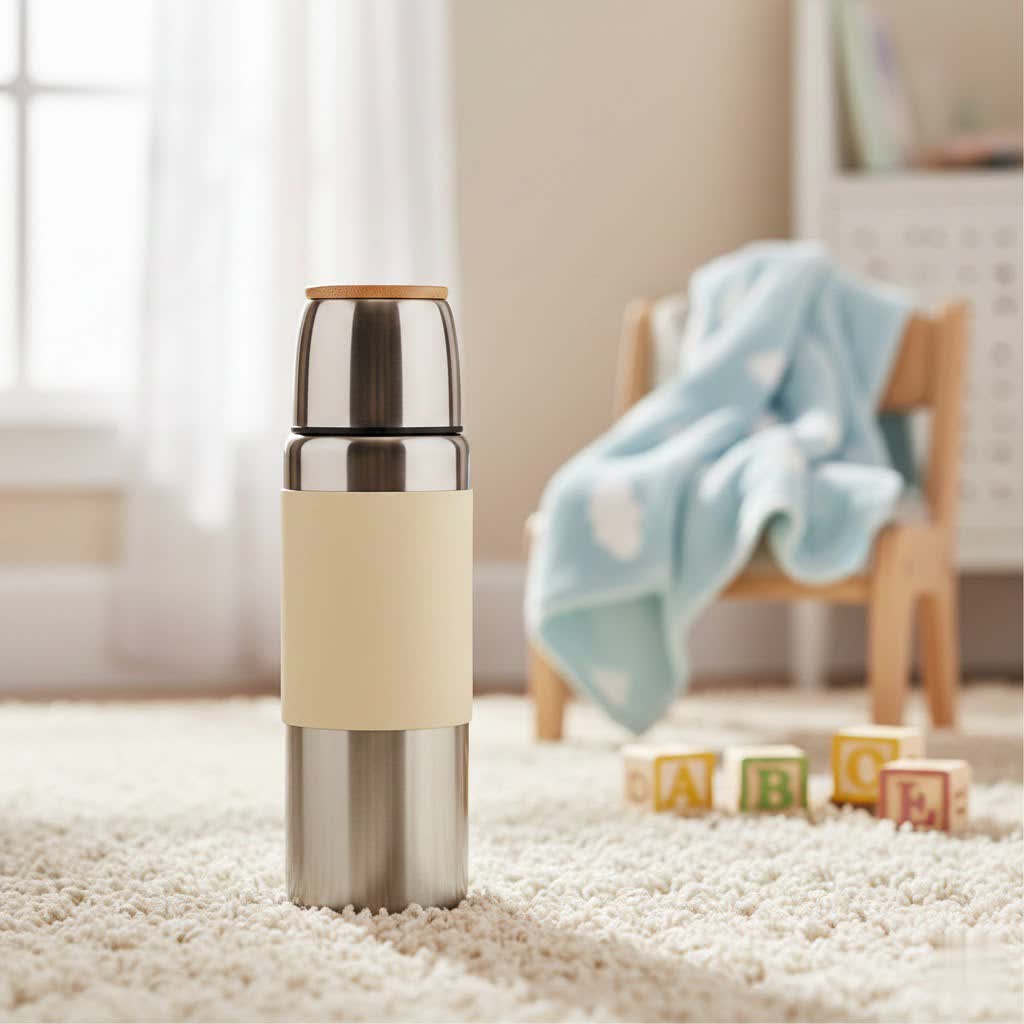
In a world that never stops, staying hydrated and refreshed, whether with a piping hot coffee or an ice-cold beverage, is more important than ever. The thermos hot and cold water bottle has emerged as an indispensable companion, a marvel of everyday engineering designed to keep your drinks at their desired temperature for hours on end. But with a myriad of options flooding the market, how do you navigate the choices to find the perfect thermos bottle that truly aligns with your lifestyle and needs? This comprehensive guide will equip you with all the knowledge to make an informed decision, ensuring your next sip is always just right.
What is a Thermos Bottle and Why Do You Need One?
A thermos bottle, also commonly known as a vacuum flask, is an insulated storage container that significantly extends the time over which its contents remain hotter or colder than the surroundings. It typically consists of two bottles, one placed inside the other, with a vacuum created between them to minimize heat transfer by conduction or convection. This ingenious design means your hot tea stays hot for hours, and your cold water remains refreshingly chilly, irrespective of the external environment. For see our thermos bottles recommendations on this site.
The benefits of owning a high-quality thermos bottle are numerous. Firstly, it offers unparalleled temperature retention, allowing you to enjoy your preferred beverage at its ideal temperature throughout the day. This translates into significant cost savings, as you can prepare drinks at home instead of frequently buying them. From a health perspective, carrying your own water encourages regular hydration, while for environmentally conscious individuals, a reusable thermos drastically reduces the reliance on single-use plastic bottles, contributing to a greener planet.
Popular Types of Thermos Hot and Cold Water Bottles
Thermos bottles come in various forms, primarily categorized by their material, capacity, and intended use. Understanding these distinctions is crucial for selecting a bottle that best suits your daily demands.
Categorization by Material
The material of your thermos bottle greatly influences its performance, durability, and safety.
- Stainless Steel Thermos Bottles: These are arguably the most popular choice, prized for their exceptional durability, rust resistance, and ability to withstand drops and impacts without breaking. Stainless steel is food-grade, meaning it doesn’t leach chemicals into your drinks and is easy to clean, resisting odors and stains. While they can be heavier than plastic alternatives, their longevity and superior insulation properties make them a top contender for daily use. Most high-quality stainless steel bottles feature double-wall vacuum insulation for maximum temperature retention.
- Plastic Thermos Bottles: Lighter and often more affordable, plastic thermos bottles can be a good entry-level option, particularly for children or those needing a very lightweight container. However, it’s critical to ensure they are made from BPA-free plastics to avoid potential health risks. While they offer some insulation, their temperature retention is generally inferior to stainless steel or glass, and they may retain odors or stains over time. Their primary advantage lies in their portability and cost-effectiveness.
- Glass Thermos Bottles: Less common due to their fragility, glass thermos bottles offer a completely inert surface that doesn’t react with beverages, ensuring a pure taste without any metallic or plastic undertones. They are easy to clean and resist odors and stains exceptionally well. However, their susceptibility to breaking makes them less ideal for rugged outdoor activities or for children. Some glass thermos bottles feature an outer protective sleeve to mitigate this risk, making them suitable for office use or gentle travel.
Categorization by Capacity
|
Our Picks for the Best Thermos Bottle in 2026
As an Amazon Associate I earn from qualifying purchases.
|
||
| Num | Product | Action |
|---|---|---|
| 1 | THERMOS ICON SERIES Stainless Steel Water Bottle with Spout - 24 Ounce, Glacier - Vacuum Insulated Water Bottle with Lid |

|
| 2 | THERMOS Stainless King Vacuum-Insulated Compact Bottle, 16 Ounce, Midnight Blue |
|
| 3 | THERMOS Stainless King Vacuum-Insulated Compact Bottle, 16 Ounce, Rustic Red |
|
| 4 | Insulated Thermo Water Bottle with Handle 20oz Stainless Steel Water Bottle Metal Water Flask Water Bottle for Hot and Cold Drink for Hiking, Workout, Gym, Travel (Green, 600ml) |
|
| 5 | THERMOS ICON SERIES, Stainless Steel Water Bottle with Spout - 24 Ounce, Matte Stainless Steel - Vacuum Insulated Water Bottle with Lid |
|
| 6 | THERMOS Stainless King Vacuum-Insulated Compact Bottle, 16 Ounce, Matte Steel |
|
| 7 | THERMOS ICON SERIES Stainless Steel Water Bottle with Spout - 24 Ounce, Granite - Vacuum Insulated Water Bottle with Lid |
|
| 8 | THERMOS ICON SERIES, Stainless Steel Water Bottle with Spout - 24 Ounce, Plum - Vacuum Insulated Water Bottle with Lid |
|
| 9 | THERMOS ICON SERIES, Stainless Steel Water Bottle with Spout - 24 Ounce, Melon - Vacuum Insulated Water Bottle with Lid |
|
| 10 | THERMOS ICON SERIES Stainless Steel Water Bottle with Spout - 24 Ounce, Saddle - Vacuum Insulated Water Bottle with Lid |
|
The ideal capacity depends entirely on your hydration needs throughout the day.
- Mini Thermos Bottles (Under 500ml): Perfect for short commutes, a quick coffee run, or for children’s lunchboxes. Their compact size makes them incredibly portable, fitting easily into small bags or cup holders.
- Medium Thermos Bottles (500ml – 1 liter): This is the most versatile category, suitable for daily office use, school, or moderate outdoor activities. They strike a balance between sufficient capacity and manageable portability, keeping you well-hydrated without constant refills.
- Large Thermos Bottles (Over 1 liter): Designed for those with high hydration demands, long hikes, camping trips, or sharing with others. These bottles ensure you have ample supply of your beverage, though their larger size can be less convenient for everyday carry.
Categorization by Purpose
Manufacturers often design thermos bottles with specific activities in mind.
- Office Thermos Bottles: Typically sleek, stylish, and durable, these bottles are designed to fit comfortably on a desk or in a briefcase. They often prioritize aesthetics alongside reliable hot or cold retention for a full workday.
- Kids’ Thermos Bottles: Focus on safety, ease of use, and child-friendly designs. They often feature spill-proof lids, easy-to-grip shapes, and vibrant colors, made from BPA-free materials.
- Sports Thermos Bottles: Emphasize rugged durability, leak-proof designs, and easy one-hand operation for quick hydration during physical activity. Features like integrated straws, wide mouths for ice cubes, and carabinier clips are common.
Comprehensive Comparison of Thermos Bottle Types
To help you make an informed decision, here’s a detailed comparison across key criteria:
| Feature/Type | Stainless Steel | Plastic | Glass |
|---|---|---|---|
| Durability | Excellent (highly resistant to impacts) | Moderate (prone to scratches, can crack) | Low (fragile, breaks easily) |
| Temperature Retention | Excellent (double-wall vacuum insulation) | Fair (basic insulation, limited duration) | Good (but often combined with other materials) |
| Taste Purity | Very good (minimal taste transfer) | Variable (can impart plastic taste, retain odors) | Excellent (pure taste, no chemical leaching) |
| Safety | Excellent (food-grade, non-reactive) | Good (if BPA-free, check certifications) | Excellent (inert, non-toxic) |
| Weight | Moderate to Heavy | Light | Moderate (can be heavy with protective sleeve) |
| Price | Medium to High | Low | Medium to High (especially with protection) |
| Maintenance | Easy to clean, rust-resistant | Easy to clean, but can stain/retain odors | Easy to clean, but careful handling required |
| Best For | Everyday use, outdoor, active lifestyle | Budget-conscious, light use, kids | Office, home, taste purists (with care) |
How to Choose the Perfect Thermos Bottle
Selecting the right thermos bottle involves a thoughtful consideration of your personal needs and priorities. Here’s a step-by-step guide to help you narrow down your choices:
1. Determine Your Usage Needs
Start by asking yourself what you primarily need the bottle for. Will it be for your morning commute, a full day at the office, a gym session, or a weekend hike?
- Purpose: For work or school, an aesthetically pleasing and reliable bottle is key. For sports, prioritize durability, a leak-proof design, and easy-open features. For travel, consider capacity and a comfortable carrying mechanism.
- Capacity: Daily hydration needs might call for a medium-sized bottle (500ml-1L), while longer trips or sharing might require a larger one. For short outings or children, a mini bottle is ideal.
- Material Preference: If durability is paramount, stainless steel is your best bet. If taste purity is your absolute priority and you are gentle with your belongings, glass might appeal. For a budget-friendly and lightweight option, consider BPA-free plastic.
2. Research Reputable Brands
Investing in a thermos bottle from a well-known and trusted brand often guarantees higher quality, better insulation, and more reliable customer support.
- Leading Brands: Look into brands renowned for their insulation technology and product quality. These brands often offer superior vacuum insulation, durable construction, and innovative features.
- Warranty and Support: Check the brand’s warranty policy. A good warranty indicates confidence in their product’s longevity and provides peace of mind in case of defects. Reliable customer service is also a strong indicator of a brand’s commitment to quality.
3. Inspect Product Quality
Before purchasing, take the time to thoroughly examine the bottle’s construction and features.
- Leak-Proof Seal: This is non-negotiable. Ensure the lid forms a tight, secure seal to prevent spills, especially if you’ll be carrying it in a bag. Many feature silicone gaskets for an extra layer of protection.
- Insulation Type: Double-wall vacuum insulation is the gold standard for temperature retention. Avoid single-wall bottles if you need prolonged hot or cold temperatures.
- Material Safety: Verify that all materials coming into contact with your drink are food-grade and free from harmful chemicals like BPA, especially for plastic components.
- Durability and Finish: Check for a robust exterior, a comfortable grip, and a finish that can withstand daily wear and tear. A powder-coated finish, for example, offers better grip and scratch resistance.
4. Read User Reviews
Benefit from the experiences of other users to gain real-world insights into a product’s performance and potential drawbacks.
- Reliable Sources: Consult product reviews on major retail websites, independent review blogs, and consumer forums. Look for consistent feedback regarding temperature retention, durability, and ease of cleaning.
- Pros and Cons: Pay attention to both positive and negative comments. If multiple users report the same issue, it’s a red flag. Similarly, widespread praise for a specific feature can highlight a bottle’s strengths.
“When selecting a thermos, always prioritize the seal and insulation. A bottle can look great, but if it leaks or fails to keep your drink hot or cold, it simply isn’t serving its primary purpose.” – Dr. Emily R. Chen, Hydration Technology Expert
Tips for Using and Maintaining Your Thermos Bottle
Proper use and care can significantly enhance your thermos bottle’s performance and extend its lifespan.
Maximizing Temperature Retention
To get the most out of your thermos bottle, consider these pre-conditioning tips:
- For Hot Beverages: Before adding your hot drink, fill the bottle with boiling water, close the lid, and let it sit for 5-10 minutes. Empty the water, then immediately add your pre-heated beverage. This warms the inner walls, reducing heat loss.
- For Cold Beverages: Similarly, for cold drinks, fill the bottle with ice water for 5-10 minutes. Empty and then add your chilled beverage and ice. This pre-cools the interior for prolonged cold retention.
- Fill Completely: A fuller bottle generally retains temperature better than a partially filled one due to less air space.
Proper Cleaning and Maintenance
Regular and correct cleaning is essential for hygiene and durability.
- Daily Cleaning: After each use, wash your thermos bottle with warm soapy water using a bottle brush to reach all corners. Rinse thoroughly.
- Deep Cleaning: For stubborn stains or odors, a mixture of baking soda and warm water, left to sit overnight, can be highly effective. For stainless steel, a vinegar rinse can also help.
- Drying: Always allow the bottle and lid to air dry completely with the lid off to prevent mold or mildew growth and eliminate lingering odors.
- Avoid Harsh Cleaners: Do not use bleach or abrasive cleaners, as these can damage the material and inner lining.
Important Usage Considerations
- Avoid Overfilling: Leave a small gap (about an inch) from the rim to prevent spills and allow the lid to seal properly.
- Handle with Care: While stainless steel is durable, extreme impacts can still damage the vacuum seal, compromising its insulation capabilities. Glass bottles require extra care.
- Not for Carbonated Drinks: Most thermos bottles are not designed to hold carbonated beverages, as the pressure build-up can damage the seal or cause the lid to pop off forcefully.
Conclusion
Choosing the ideal thermos hot and cold water bottle is an investment in your daily comfort, health, and commitment to sustainability. By understanding the different materials, capacities, and intended uses, alongside following a diligent selection process and proper care, you can find a companion that keeps your drinks perfectly temperate, no matter where your day takes you. A well-chosen thermos bottle is more than just a container; it’s a daily essential that supports your hydration goals and enhances your overall well-being. What will be your first adventure with your perfect thermos bottle?
Frequently Asked Questions
Can I put milk or fruit juice in my thermos bottle?
Yes, you can put milk or fruit juice in a thermos bottle. However, due to the perishable nature of these liquids, it’s crucial to clean the bottle thoroughly immediately after use to prevent bacterial growth and lingering odors. Consider using a bottle brush for effective cleaning.
How long do thermos bottles typically keep liquids hot or cold?
The duration varies significantly based on the quality of the thermos (especially its vacuum insulation), the initial temperature of the liquid, and external conditions. High-quality double-wall vacuum insulated bottles can keep liquids hot for 6-12 hours and cold for 12-24 hours, sometimes even longer.
Are all thermos bottles dishwasher safe?
No, not all thermos bottles are dishwasher safe. While some stainless steel bottles may be, many have seals, coatings, or decorative elements that can be damaged by the high heat and harsh detergents of a dishwasher. It’s always best to check the manufacturer’s instructions; handwashing is generally recommended to preserve the bottle’s integrity and insulation performance.
What causes a thermos bottle to lose its insulating ability?
A thermos bottle typically loses its insulating ability if the vacuum seal between the inner and outer walls is compromised. This can happen due to dropping the bottle, manufacturing defects, or prolonged exposure to extreme temperatures, which can lead to a loss of vacuum and allow heat transfer to occur more readily.
Get our weekly buyer guide
Practical specs, not advice. Unsubscribe anytime.
