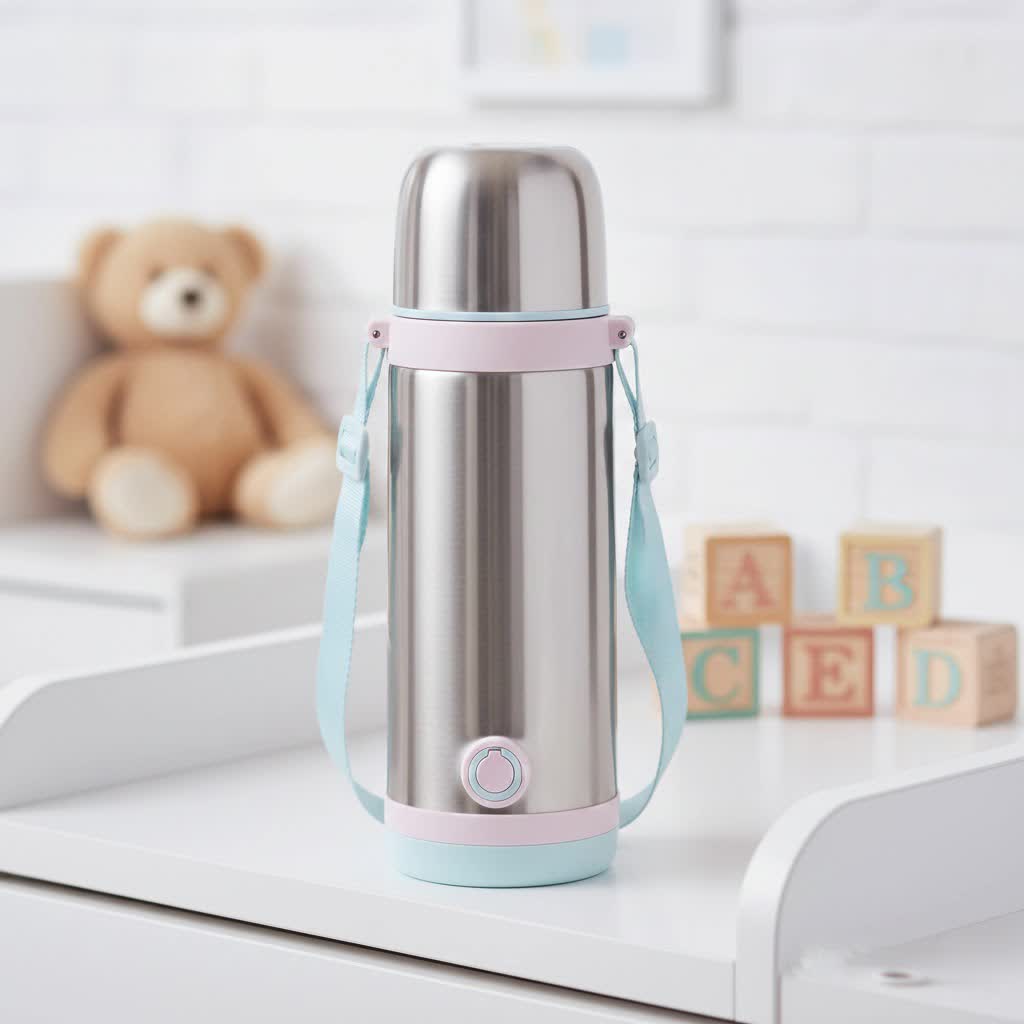
In a world brimming with choices, selecting the perfect water bottle often comes down to more than just functionality. For many, a white thermos water bottle isn’t just a container; it’s a statement of minimalist elegance, a commitment to cleanliness, and a stylish accessory for daily hydration. Imagine effortlessly carrying a bottle that not only keeps your drinks perfectly chilled or piping hot but also complements your aesthetic. This comprehensive guide will help you navigate the features, benefits, and care of white thermos water bottles, ensuring you find a companion that is both impeccably stylish and incredibly practical.
The Allure of the White Thermos Water Bottle
Why choose white? The appeal of a white thermos water bottle goes beyond mere color. White symbolizes purity, simplicity, and a fresh start, making it a popular choice for those who appreciate clean lines and a modern aesthetic. It offers a versatile look that fits seamlessly into any setting, from a professional office environment to a serene yoga studio or an adventurous outdoor trek. A white bottle can also be a canvas for personalization, allowing its owner to add unique decals or markings that reflect their personality. Opting for white means embracing a timeless trend that never goes out of style, projecting an image of understated sophistication and conscientious living. For compare top thermos bottles on this site.
What is a Thermos Water Bottle? Why It’s Indispensable
A thermos water bottle, at its core, is an insulated container designed to maintain the temperature of your beverages for extended periods. This incredible capability stems from its double-wall construction and vacuum insulation technology. Between two layers of material, a vacuum is created, acting as a barrier that prevents heat transfer through conduction or convection. This ingenious design means your hot coffee stays warm for hours, and your iced water remains refreshingly cold, even on the hottest days.
The benefits of using an insulated thermos bottle extend far beyond just temperature control. Firstly, it champions sustainability by reducing reliance on single-use plastic bottles, thus minimizing environmental waste. Secondly, these bottles are typically crafted from safe, food-grade materials like stainless steel, ensuring your drinks remain pure and free from harmful chemicals often found in lower-quality plastics. Lastly, investing in a durable, reusable thermos can lead to significant cost savings over time, as you’ll spend less on bottled water and disposable coffee cups. It’s a smart choice for your wallet, your health, and the planet.
Decoding Thermos Bottle Materials (and Their White Options)
The material of your thermos water bottle is crucial, influencing not only its insulation performance but also its durability and safety. When choosing a white thermos, the underlying material also dictates how well its pristine exterior will hold up over time.
Stainless Steel Thermos Bottles
|
Our Picks for the Best Thermos Bottle in 2026
As an Amazon Associate I earn from qualifying purchases.
|
||
| Num | Product | Action |
|---|---|---|
| 1 | THERMOS Stainless King Vacuum-Insulated Compact Bottle, 16 Ounce, Rustic Red |

|
| 2 | THERMOS ICON SERIES Stainless Steel Water Bottle with Spout - 24 Ounce, Granite - Vacuum Insulated Water Bottle with Lid |
|
| 3 | THERMOS ICON SERIES Stainless Steel Water Bottle with Spout - 24 Ounce, Glacier - Vacuum Insulated Water Bottle with Lid |
|
| 4 | THERMOS Stainless King Vacuum-Insulated Compact Bottle, 16 Ounce, Matte Steel |
|
| 5 | THERMOS Stainless King Vacuum-Insulated Compact Bottle, 16 Ounce, Midnight Blue |
|
| 6 | Insulated Thermo Water Bottle with Handle 20oz Stainless Steel Water Bottle Metal Water Flask Water Bottle for Hot and Cold Drink for Hiking, Workout, Gym, Travel (Green, 600ml) |
|
| 7 | THERMOS ICON SERIES Stainless Steel Water Bottle with Spout - 24 Ounce, Saddle - Vacuum Insulated Water Bottle with Lid |
|
| 8 | THERMOS ICON SERIES, Stainless Steel Water Bottle with Spout - 24 Ounce, Matte Stainless Steel - Vacuum Insulated Water Bottle with Lid |
|
| 9 | THERMOS ICON SERIES, Stainless Steel Water Bottle with Spout - 24 Ounce, Plum - Vacuum Insulated Water Bottle with Lid |
|
| 10 | THERMOS ICON SERIES, Stainless Steel Water Bottle with Spout - 24 Ounce, Melon - Vacuum Insulated Water Bottle with Lid |
|
Stainless steel is the undisputed king of thermos materials, and for good reason. It offers superior insulation, exceptional durability, and is naturally resistant to corrosion and rust. Most high-quality stainless steel bottles use 18/8 food-grade stainless steel, often marked as “304” or “SUS304,” ensuring it’s safe for daily use and won’t leach chemicals into your drinks. For even greater corrosion resistance, especially with acidic beverages like coffee or juice, 316 stainless steel (medical grade) is an excellent, albeit often pricier, option.
Pros:
- Excellent Insulation: Keeps beverages hot or cold for many hours, some even up to 24 hours.
- Durability: Highly resistant to dents and impacts, making them long-lasting.
- Safety: Food-grade stainless steel is non-reactive and doesn’t contain BPA.
- Aesthetic: A white powder-coated stainless steel finish provides a sleek, modern look.
Cons:
- Weight: Generally heavier than plastic bottles, especially in larger capacities.
- Potential Metallic Taste: Some users report a slight metallic taste, though this is less common with high-quality stainless steel.
- White Coating Durability: While powder coating is tough, constant drops or abrasive cleaning can scratch or chip the white finish over time.
Ceramic-Lined Stainless Steel Thermos Bottles
For those who prioritize taste purity, ceramic-lined stainless steel bottles offer the best of both worlds. These bottles combine the robust insulation and durability of stainless steel with an inner ceramic coating that prevents any metallic taste transfer. The ceramic surface is also remarkably smooth, making it easier to clean and less prone to retaining odors or flavors from previous drinks. This can be particularly beneficial for white bottles, as a cleaner interior contributes to overall hygiene and helps maintain the bottle’s fresh appearance.
BPA-Free Plastic Thermos Bottles
While less common for truly insulated thermos bottles, some brands offer double-walled plastic options. These typically use durable, BPA-free plastics like Eastman Tritan copolyester. These bottles are often lighter and more affordable, making them suitable for children or those seeking extreme portability. However, their insulation capabilities are generally not as robust as stainless steel, meaning drinks won’t stay hot or cold for quite as long.
Pros:
- Lightweight: Easier to carry for extended periods.
- Affordable: Often more budget-friendly upfront.
- Child-Friendly: Less prone to denting and safer if dropped than glass.
Cons:
- Less Insulation: Shorter temperature retention compared to stainless steel.
- Potential Staining: White plastic can be more susceptible to staining from colored beverages like coffee or tea.
- Durability: While durable, plastic can still scratch or degrade over time.
Glass Thermos Bottles
Glass bottles offer an unparalleled purity of taste, as they are non-porous and do not absorb flavors or odors. For a white aesthetic, these often come with a protective silicone sleeve, which can be white, adding a layer of durability and grip. However, glass is inherently fragile and typically offers less insulation than stainless steel. They are generally heavier and more prone to breakage, making them less ideal for active lifestyles.
Finding Your Perfect White Thermos: Key Factors to Consider
Choosing the right white thermos water bottle involves balancing your personal style with practical needs. Here are the key factors to evaluate before making your decision:
Capacity: Matching Your Hydration Needs
Thermos bottles come in a wide range of capacities, from compact mini bottles (under 500ml) perfect for a quick commute or a child’s lunchbox, to medium sizes (500ml – 1 liter) ideal for office workers or gym-goers, and large bottles (over 1 liter) suitable for all-day hydration, outdoor adventures, or sharing. Consider your daily water intake, how often you can refill, and where you’ll be carrying your bottle to determine the optimal size. A larger bottle might mean fewer refills but also more weight.
Lid Type: Enhancing Your Drinking Experience
The lid is a critical component that impacts both usability and leak-proof performance. Common lid types include:
- Screw Top: Simple, secure, and leak-proof, but requires two hands to open.
- Flip Top: Convenient for on-the-go sipping, often with a locking mechanism to prevent spills.
- Spout/Chug Cap: Offers a wider opening for quick hydration, popular for sports and active use.
- Straw Lid: Allows for upright sipping, often favored for driving or light activity.
Ensure the lid is easy to clean, especially if you plan to use your white thermos for drinks other than water, to prevent stains or odor build-up. A well-designed lid on a white bottle should complement its clean aesthetic while providing reliable sealing.
Design & Ergonomics: Comfort Meets Style
Beyond color, consider the overall design of the bottle. Does it have a comfortable grip? Will it fit in your car’s cup holder or your backpack’s side pocket? A non-slip base or a sleek handle can significantly improve daily usability. For a white thermos, the design should feel natural and effortless to hold, reflecting the clean, functional beauty you seek. The balance between weight and capacity is also an ergonomic consideration; a bottle that is too heavy when full might discourage consistent use.
Insulation Performance: Hot or Cold, How Long?
This is where thermos bottles truly shine. While many claim to keep drinks hot for 6-12 hours and cold for 12-24 hours, actual performance can vary by brand and specific design. If you frequently enjoy hot coffee on a long commute or need ice water for an all-day hike, look for models specifically praised for their temperature retention. Remember that narrow-mouth bottles often provide slightly better insulation for hot beverages due to less surface area for heat to escape through the lid.
Durability of White Finish: Keeping it Pristine
A white finish can be stunning, but its longevity depends on the quality of the coating. High-quality powder-coated stainless steel is generally very durable and resistant to scratches and chips. However, any bottle will show wear and tear over time, especially with rough handling. If maintaining a pristine white look is paramount, consider investing in a bottle with a robust finish and perhaps a protective silicone boot to shield the base from scuffs.
Top Brands Offering Quality White Thermos Bottles
Many reputable brands offer excellent thermos water bottles, often including white options in their lineups. These brands are known for their quality, insulation performance, and customer satisfaction:
- Hydro Flask: Famous for its vibrant colors and excellent insulation, Hydro Flask frequently offers sleek white bottles across various capacities and lid styles.
- Yeti: A premium brand synonymous with rugged durability and superior temperature retention, Yeti’s Rambler series often features classic white finishes.
- Stanley: With a legacy of durable thermoses, Stanley offers robust white options, especially in their Classic Legendary Bottle line, known for extreme outdoor use.
- S’well: Known for its stylish, fashionable designs, S’well bottles are a popular choice for those prioritizing aesthetics, and white is a staple color in their collection.
- Thermos (Brand): The original name in insulation, Thermos provides a range of reliable and affordable options, often including white models.
- Owala: Gaining popularity for its innovative FreeSip spout and attractive designs, Owala offers white bottles that are both stylish and highly functional.
- Klean Kanteen: A pioneer in reusable stainless steel bottles, Klean Kanteen offers durable and eco-friendly white options.
When choosing a brand, consider not only their reputation for quality but also their warranty and customer service policies, which can provide peace of mind for your investment.
Maintaining the Pristine Look: Cleaning and Care Tips for Your White Thermos
Keeping your white thermos water bottle looking fresh and performing optimally requires consistent care. Proper cleaning not only maintains its pristine appearance but also ensures hygiene and prolongs its lifespan.
Daily Cleaning: The Essential Routine
After each use, especially if you’ve filled it with anything other than water, a quick wash is crucial.
- Disassemble: Separate the bottle, lid, and any removable parts (like straws or gaskets).
- Warm Soapy Water: Wash all components with warm water and a mild dish soap.
- Bottle Brush: Use a dedicated bottle brush to reach the bottom and sides of the interior, ensuring all residue is removed. Pay attention to crevices in the lid.
- Rinse Thoroughly: Rinse all parts completely to remove any soap residue.
- Air Dry: Allow all components to air dry completely before reassembling to prevent mold or mildew growth. Hand-washing is generally recommended over dishwashers for insulated bottles, as high heat can potentially compromise the vacuum seal.
Deep Cleaning for Stains and Odors
Even with daily cleaning, some stubborn stains or lingering odors can develop. Here are effective deep-cleaning methods:
- Vinegar and Baking Soda: This classic combination is a powerhouse for tackling tough issues. Pour about ½ cup distilled white vinegar into your thermos, followed by 1 tablespoon of baking soda. The mixture will fizz. Add warm water to fill the bottle and let it sit for 15-60 minutes, or even overnight for severe cases. Afterwards, scrub with a bottle brush and rinse thoroughly. This method works wonders for both odors and stains.
- Salt and Ice: For a gentle abrasive clean, add crushed ice and about 2 tablespoons of coarse salt to your thermos. Secure the lid and shake vigorously for a few minutes. The salt acts as an abrasive, scrubbing away residue, while the ice helps agitate it. Rinse well afterwards.
- Denture-Cleaning Tablets: Drop one or two denture-cleaning tablets into your bottle, fill with warm water, and let it sit until the fizzing stops (5-10 minutes). This can effectively remove stains and odors, particularly from coffee or tea. Rinse thoroughly.
Avoiding Stains and Damage
- Rinse Immediately: Don’t let colored beverages sit in your white thermos for extended periods. Rinse it out as soon as possible after use.
- Avoid Abrasive Cleaners: Steel wool or harsh scrubbing pads can scratch the white finish, making it more prone to staining and diminishing its appearance.
- Steer Clear of Bleach: Chlorine-based bleach can be too harsh for stainless steel and may damage the interior or exterior finish.
- Dry Completely: Always ensure your white thermos is completely dry inside and out before storing it to prevent water spots and the growth of mold or mildew, especially on the lid’s gaskets.
By following these simple yet effective tips, your white thermos water bottle will not only serve you reliably for years but also continue to be a shining example of style and cleanliness in your daily routine.
Conclusion
A white thermos water bottle is more than just a trend; it’s a sophisticated and highly functional accessory for anyone committed to hydration and personal style. From its ability to keep your drinks at the perfect temperature for hours to its elegant aesthetic, a quality white thermos integrates seamlessly into diverse lifestyles. By understanding the best materials, considering your specific needs, and committing to proper cleaning and maintenance, you can choose a bottle that not only looks stunning but also performs exceptionally well for years to come.
So, are you ready to elevate your hydration game with a touch of pristine elegance?
Frequently Asked Questions
Is a white thermos water bottle prone to staining?
While a white finish might show dirt or stains more readily than darker colors, high-quality white thermos bottles typically feature durable powder coatings that are resistant to staining. With proper and consistent cleaning using mild soap and water, or occasional deep cleaning with vinegar and baking soda, your white thermos can maintain its pristine appearance for a long time.
What is the best material for a white insulated water bottle?
For optimal insulation and durability, stainless steel (specifically 18/8 food-grade, 304, or 316) is widely considered the best material. If you want to avoid any metallic taste and simplify cleaning, a ceramic-lined stainless steel bottle is an excellent choice, often available with white exterior finishes.
How often should I clean my white thermos?
It’s recommended to rinse your thermos water bottle with warm, soapy water after every use, especially if you’ve used it for beverages other than water. For a deep clean to remove odors or stubborn stains, a thorough cleaning with white vinegar and baking soda should be done weekly or bi-weekly, depending on usage.
Can I put boiling water in my white thermos?
Yes, most high-quality stainless steel thermos bottles are designed to safely hold boiling water without any issues, as their vacuum insulation can withstand extreme temperatures. However, always exercise caution when drinking hot liquids to prevent burns.
Do white thermos bottles come with a warranty?
Many reputable brands offer warranties for their thermos bottles, covering manufacturing defects. The duration and terms of the warranty can vary by brand, so it’s always advisable to check the specific warranty information provided by the manufacturer before purchasing.
Get our weekly buyer guide
Practical specs, not advice. Unsubscribe anytime.
